In one of the most significant military operations of 2025, the United States and Israel have launched coordinated airstrikes targeting Iran’s nuclear infrastructure. According to U.S. defense officials, these attacks have effectively set back Tehran’s nuclear capabilities by one to two years. But behind this statement lies a volatile reality — one that may reshape power dynamics across the Middle East and beyond.
Strategic Targeting: What Was Hit?
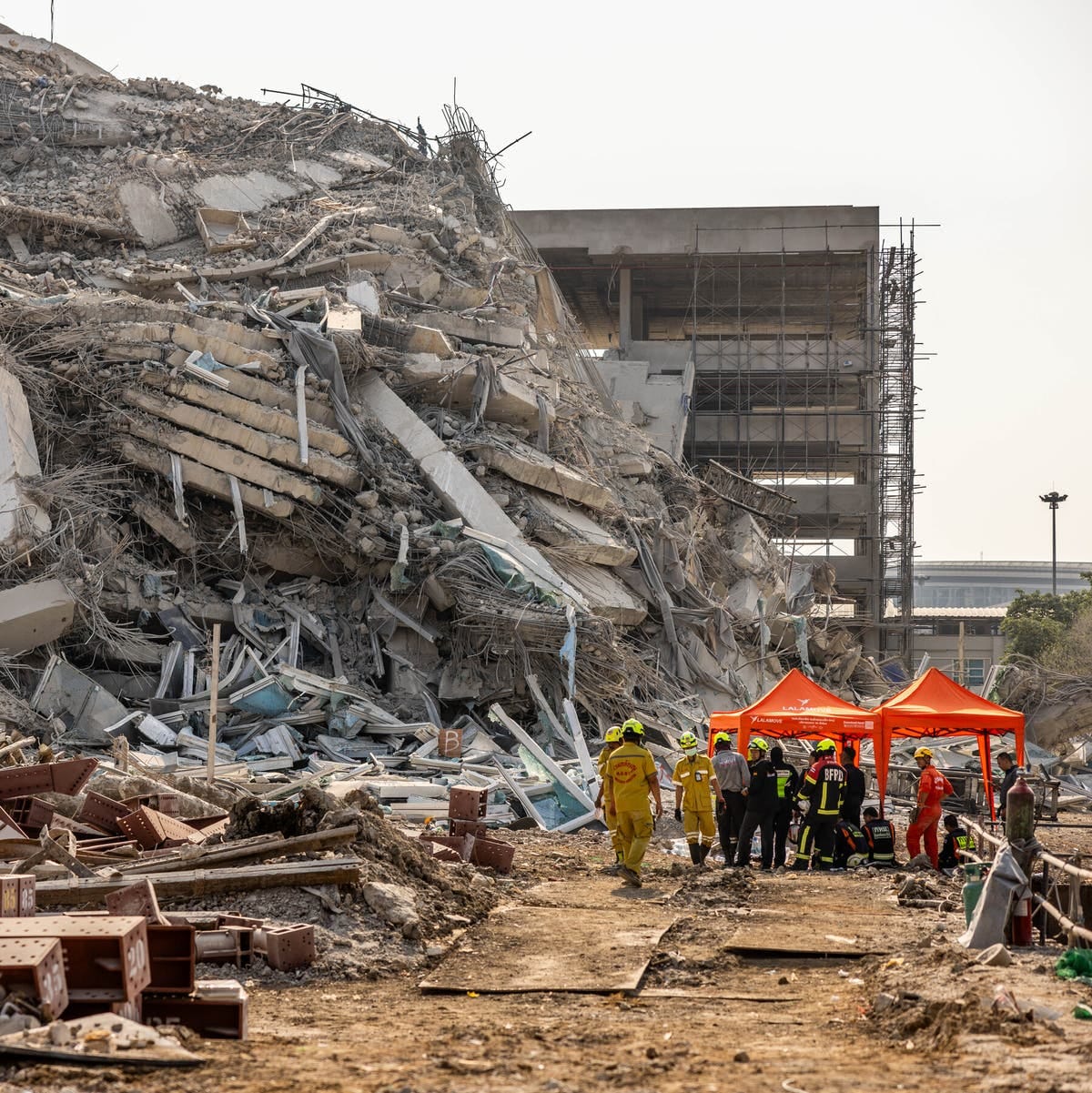
The strikes reportedly focused on critical Iranian nuclear sites, including Fordo, Natanz, and associated facilities connected to centrifuge development and uranium enrichment. These are deeply embedded, fortified structures — which makes their successful targeting notable. Satellite imagery and intelligence assessments suggest that advanced Israeli drone and U.S. bomber technologies were deployed with high precision.
The result: several hundred centrifuges destroyed or disabled, and delays in Iran’s uranium enrichment process. Damage to electrical systems and fuel supplies has further disrupted operations.
Iran's Response: Defiance and Silence
Iranian authorities have remained relatively quiet about the full extent of the damage, but they’ve vowed retaliation. Tehran has also withdrawn cooperation with the International Atomic Energy Agency (IAEA), meaning that outside observers now have little visibility into Iran’s nuclear intentions or capabilities.
This silence fuels concerns that Iran could now shift from monitored enrichment to a more clandestine nuclear weapons pursuit — pushing its program deeper underground, both literally and diplomatically.
The Diplomatic Vacuum
These airstrikes come after years of stalled diplomacy following the U.S. withdrawal from the Iran nuclear deal (JCPOA). While the Biden and Raisi administrations had hinted at potential talks in early 2024, escalating proxy conflicts and increased regional hostilities derailed negotiations.
By choosing military action over renewed diplomacy, Washington and Tel Aviv have bought time — but may have also closed the door on a negotiated path forward.
Regional Implications
The strikes have already sent shockwaves through the Middle East:
-
Hezbollah and Houthi militias have increased their alert levels.
-
Oil prices have spiked due to uncertainty in the Strait of Hormuz.
-
Russia and China have condemned the attacks, calling them destabilizing.
-
Saudi Arabia and Gulf allies have remained cautiously silent, though they likely view a weakened Iran as strategically beneficial.
This episode risks triggering a broader conflict, especially if Iran responds with direct or proxy attacks on Israeli or U.S. interests.
What Does This Mean for Global Security?
The short-term impact is clear: Iran’s nuclear progress is stalled. But the longer-term consequences could be more dangerous. By breaking the back of a monitored program, the strikes may incentivize a shadow program — harder to track, harder to stop.
Without diplomatic engagement and IAEA access, the international community loses leverage. Military might may win battles, but wars — especially nuclear ones — are ultimately fought in backchannels and conference rooms.
Final Thoughts
The U.S.–Israeli strikes mark a turning point. Whether it’s a victory or a spark for deeper conflict depends on what happens next. Will diplomacy return to the table? Or will the region slide further into hostility?
Either way, the world must now confront a more uncertain nuclear future — one that cannot be controlled by airstrikes alone.
Read more: Al Jazeera



 All
All Foodies
 Drinks
 Fruits & Veggies
 Supermarket
 Beauty & Health
 Electronics
 Fashion
 Live Tv