swipe right

Bespado Blogs

All

The Global Shockwave: How New US Sanctions on Russian Oil Could Shake India’s Fuel Future

The recent sanctions imposed by the United States on major Russian oil companies have sent shockwaves through the global energy market. With Rosneft and Lukoil now facing restrictions, the move has triggered a significant rise in oil prices worldwide. For a country like India, which has relied heavily on discounted Russian crude, this development could reshape its fuel strategy and consumer costs.

Russia has been one of the largest oil suppliers globally, and blocking two of its biggest producers creates fears of supply disruption. As markets respond to uncertainty, oil prices have already seen a surge. This price jump may directly affect importing countries, pushing them to reconsider their dependence on single-source energy deals.

India, known for taking advantage of cheaper Russian oil in recent years, now faces a dilemma. Refiners are expected to cut back on Russian imports to avoid violating U.S. sanctions. This could force India to turn to alternative suppliers in the Middle East, Africa, or the United States—likely at higher prices. Rising import costs may translate into increased fuel prices for consumers and possible inflationary pressure on the economy.

The Indian government may respond by diversifying energy suppliers or accelerating investments in renewable energy. However, a sudden shift in supply chains could lead to temporary instability in fuel availability and pricing. The sanctions also highlight a broader issue: how geopolitical tensions significantly influence energy security in developing economies.

On the other side, Russia has dismissed the sanctions as ineffective, claiming resilience against external pressure. Yet the restrictions could still impact its oil revenue, which plays a vital role in its economy and ongoing geopolitical strategies.

As events unfold, the world will closely watch whether India adapts quickly or faces economic strain from higher fuel costs. The outcome may set the tone for how developing countries navigate energy dependencies during geopolitical conflicts.

In the coming weeks, global fuel prices, new supplier deals, and official statements from energy ministries will be key indicators of the long-term effects of these sanctions. What began as a foreign policy move could soon become a challenge at fuel stations around the world.

read more
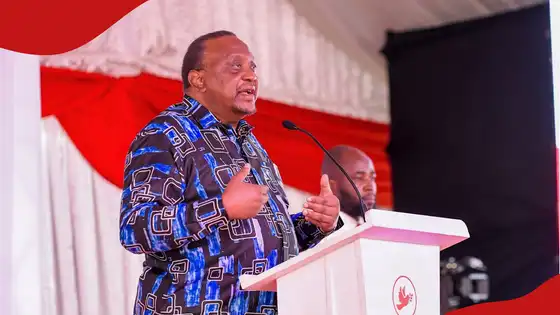
Uhuru Kenyatta’s Farewell to Raila Odinga

During the state funeral of Raila Amolo Odinga held at Nyayo Stadium, Nairobi, on 17 October 2025, former President Uhuru Kenyatta paid his respects to the late leader.

Kenyatta described Odinga as one of the most significant figures in Kenya’s political journey, saying his contribution to democracy, justice, and devolution would remain part of the country’s permanent record.

He noted that Odinga’s work for freedom and human rights had left a lasting imprint on Kenya’s history and called on citizens to protect the values Odinga stood for.

Kenyatta concluded his remarks by bidding farewell to his long-time political ally, expressing hope that the principles Odinga fought for would continue to guide future generations.

read more
Final Journey: Raila Odinga’s Last Flight Home and State Farewell

Former Kenyan Prime Minister Raila Amolo Odinga died on 15 October 2025 in Kerala, India, at the age of 80.

Illness and Death

Odinga had travelled to India for medical treatment related to hypertension and diabetes. According to hospital and family reports, he collapsed during a morning walk at Devamatha Hospital in Kerala and was pronounced dead after suffering cardiac arrest.

Return to Kenya

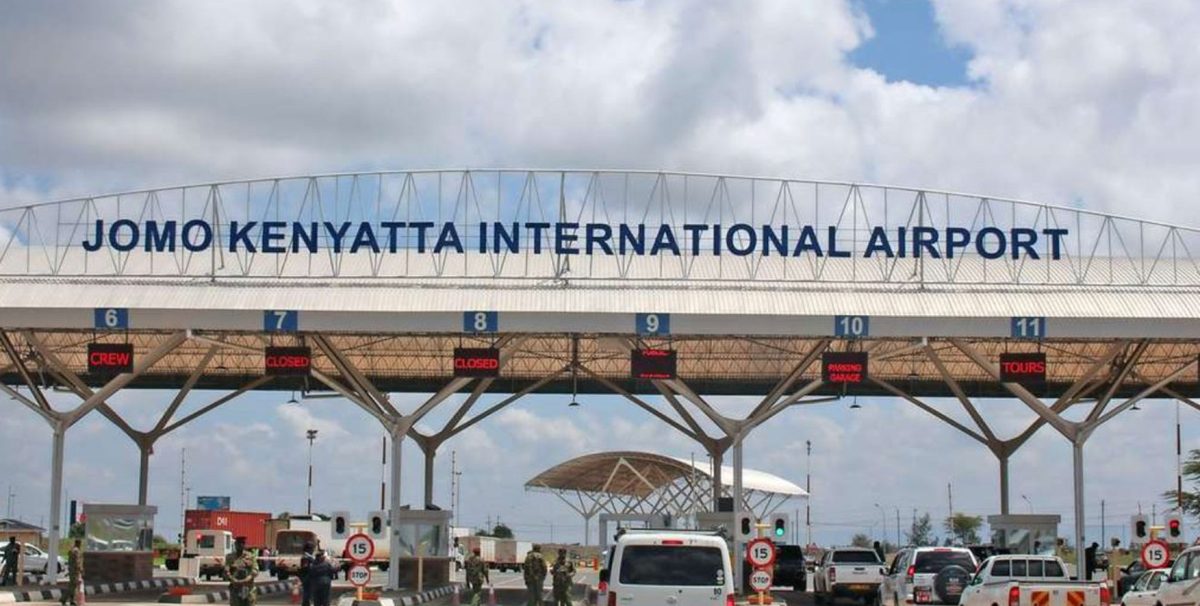
On 16 October 2025, Odinga’s body was repatriated from India aboard a Kenya Airways aircraft designated RAO001. The aircraft landed at Jomo Kenyatta International Airport (JKIA) in Nairobi, where large crowds had gathered. Security personnel were deployed to manage the situation after mourners attempted to access restricted areas of the airport. The body was received by family members, government officials, and military pallbearers, and later transported under escort to a Funeral Home in Nairobi.

State Funeral

A state funeral for Raila Odinga was held on Friday, 17 October 2025, at Nyayo National Stadium in Nairobi. The event was attended by senior government officials, family members, and international dignitaries.


Burial in Bondo

Raila Odinga’s body will be transported to Bondo, Siaya County, on Sunday, 19 October 2025, for burial. The funeral service will take place at the Jaramogi Oginga Odinga University of Science and Technology (JOOUST) grounds in Bondo. After the service, he will be laid to rest near his father, Jaramogi Oginga Odinga, at the family home.

read more
Aston Villa Edge Bologna 1–0 in Europa League Clash

Aston Villa secured their first European win of the season with a narrow 1–0 victory over Bologna at Villa Park. John McGinn’s 13th-minute strike proved decisive, though the match was far from straightforward.

Villa had a chance to double their lead in the second half when Ollie Watkins won a penalty, but his spot kick was saved — continuing a frustrating run of missed opportunities for the striker. Bologna grew into the game, with Santiago Castro hitting the woodwork and Martin Vitik forcing a key save from goalkeeper Marco Bizot, but they failed to find an equaliser.

While the win lifts Villa’s spirits, questions remain about their attacking sharpness. Watkins, despite tireless work up front, has faced criticism for missed chances, though captain McGinn leapt to his defence, insisting his teammate has nothing left to prove. Morgan Rogers also endured a difficult evening, struggling to impact the game, though manager Unai Emery defended his decision to keep him on, stressing the importance of learning under pressure.

For Villa, the positives lie in the clean sheet, three points, and a much-needed confidence boost. Yet, if the team is to progress deep into the Europa League, greater consistency and clinical finishing will be essential.

read more
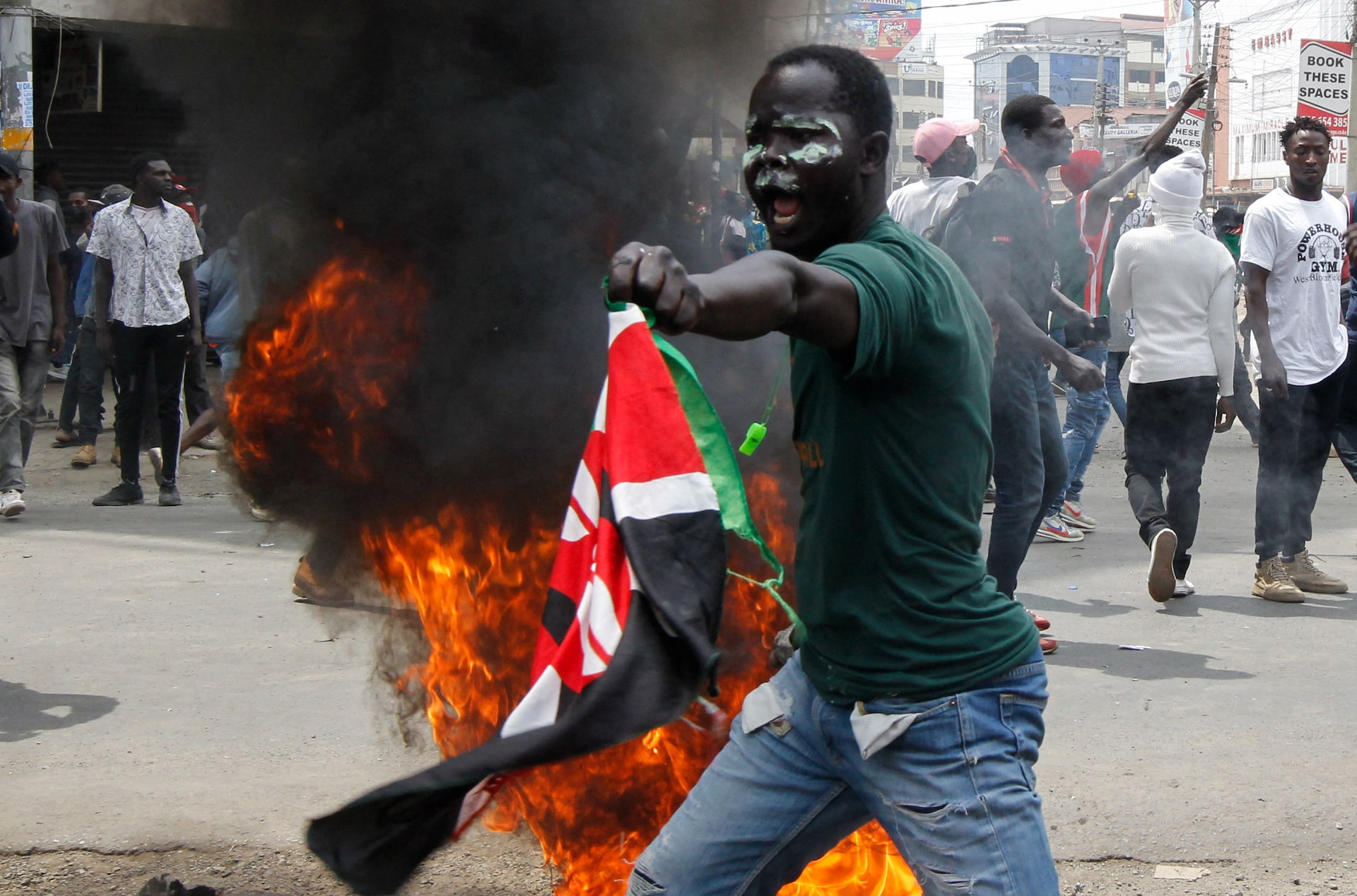
Teen Arrested After Desecrating Kenyan Flag at Nyayo Stadium

The Directorate of Criminal Investigations (DCI) has arrested a 17-year-old boy captured on video disrespecting the Kenyan national flag during a football match at Nyayo Stadium. The incident occurred on 20th September 2025, during the CAF Confederation Cup clash between Mogadishu City Club and Police FC.

In the widely circulated video, the teenager is seen snatching the Kenyan flag from a Police FC supporter before throwing it to the ground. His actions sparked outrage among fans and citizens alike, with many calling for swift action against those involved.

Authorities have since confirmed that the suspect was traced and taken into custody. Investigations are ongoing to apprehend another individual who was also linked to the incident.

Kenya’s National Flag, Emblems, and Names Act (Cap 99) strictly prohibits acts of desecration or insult directed at national symbols. Violations are punishable by law, underlining the seriousness with which the state treats matters of patriotism and national identity.

The arrest has also attracted diplomatic attention. Kenya’s Interior Cabinet Secretary ordered firm legal action, while Somalia’s ambassador to Kenya publicly condemned the teenager’s behavior, stressing that the act does not reflect Somalia’s official position.

This case highlights the deep significance of national symbols in fostering unity and respect. Beyond sports rivalries, the flag represents identity, sacrifice, and pride — values that cut across borders and generations.

read more
Title: SHIF‑ting Strategies: MoH’s Patient Verification Struggle Continues

On August 5, 2025, Kenya’s Ministry of Health announced the formal abandonment of OTP (One-Time Password) verification for public health insurance claims under the Social Health Insurance Fund (SHIF).

Biometric Beginnings (2021–2023)

  • Originally rolled out under NHIF in 2021, biometric fingerprint verification replaced national ID cards at hospitals to curb fraud and improve service access.

  • The system faced criticism, especially from rural hospitals that sued NHIF, citing high implementation costs and lack of consultation.

  • Fraudsters exploited facility-level biometrics to submit inflated claims using identical fingerprints for ghost beneficiaries, costing the government over Ksh 20 billion by 2024.

The OTP Experiment (October 2024 – August 2025)

  • SHIF launched OTP-based authentication in October 2024, sending SMS codes for patient verification instead of using fingerprints.

  • The system failed frequently: 89% of authentication attempts failed, 71% of OTPs were delayed (sometimes by 24 hours), and 73% of the time the system was down—forcing patients to pay out-of-pocket despite SHIF coverage.

Back to Biometrics

  • Health CS Aden Duale declared in August 2025 that SHA will no longer accept OTPs. All service approvals will now require a biometric health ID or the Practice 360 app.

  • The biometric system is already deployed in level 4, 5, and 6 hospitals, with expansion plans to lower-tier facilities. Fingerprint data is linked to a central database for real-time validation and fraud detection.

Pending Questions

  • Many hospitals had dismantled biometric devices during the NHIF-to-SHIF transition and may require reinstallation.

  • The effectiveness of the Practice 360 app remains untested in low-connectivity areas with high digital illiteracy.

  • While the system is meant to eliminate fraud and streamline claims, success depends heavily on implementation and nationwide digital readiness.


read more
Title: Global Markets Rally on Fed Rate Cut Hopes Amid U.S. Labor Concerns

On August 5, 2025, global markets rose for a second consecutive day following weaker-than-expected U.S. non-farm payroll data. The data strengthened expectations of an imminent interest rate cut by the U.S. Federal Reserve.

Stocks

  • STOXX 600 (Europe): Up 0.4%, boosted by strong earnings from Diageo and DHL.

  • MSCI Asia-Pacific (excluding Japan): Gained 0.7%.

  • Nikkei (Japan): Rose 0.5%.

  • U.S. markets: Continued upward on rate cut expectations.

Labor and Policy

  • U.S. payroll numbers came in below forecasts and were revised downward for May and June.

  • President Trump dismissed the head of the Bureau of Labor Statistics.

  • Federal Reserve Governor Adriana Kugler resigned.

  • San Francisco Fed President Mary Daly indicated support for rate cuts, citing labor market weakness and easing inflation.

Currencies and Commodities

  • The U.S. Dollar Index dropped to 98.7.

  • Gold held near one-week highs.

  • Oil prices edged lower following increased output from OPEC+.

Corporate Developments

  • Palantir shares surged 6% after strong AI-driven forecasts and news of a potential $10 billion U.S. Army contract. The company’s market cap surpassed $360 billion.

  • Diageo and DHL posted better-than-expected earnings.

  • Investors are now awaiting results from Disney, McDonald’s, Pfizer, AMD, and Caterpillar.

read more
Tesla Approves Share Award of Approximately $29 Billion to CEO Elon Musk
Tesla’s board has granted CEO Elon Musk 96 million new shares, valued at around US $29 billion, in an "interim award" designed to retain him amid Plaintiff litigation over a previous compensation plan.
The award will vest over two years, contingent on Musk remaining in a key executive role—such as CEO or executive chair—through to August 2027.
Shares must be held for five years (until August 2027 or later) and will be forfeited or offset if the 2018 pay package, previously voided by a Delaware court, is reinstated on appeal.
Musk currently holds roughly a 13 % stake in Tesla. The new award is expected to increase his ownership to approximately 15–16 %, enhancing his voting power within the company.
A Delaware court voided Musk’s original 2018 compensation plan, valued at over $50–56 billion, citing flawed approval procedures and conflicts of interest among board members. Tesla and Musk are currently appealing the decision in the Delaware Supreme Court.
Tesla’s board explained that the interim award was a good faith measure to retain Musk during a strategic shift toward artificial intelligence, robotics, and autonomous technologies, beyond its traditional automotive business.
Tesla stock rose by around 2–3 % immediately following the announcement, reflecting investor response to reduced executive uncertainty
read more
Ferrari Boss Confident in Hamilton’s Recovery After Difficult Hungarian GP

During the 2025 Hungarian Grand Prix, Lewis Hamilton failed to reach Q3 in qualifying and finished 12th in the race, marking his first non-scoring result at the Hungaroring since 2007. After the race, Hamilton expressed frustration, stating, "I feel completely useless" and "They probably need to change driver."

Ferrari team principal Fred Vasseur responded by defending Hamilton, describing him as frustrated but not lacking motivation. Vasseur said Hamilton pushes himself harder than anyone and added that the race was difficult due to the strategy choice. Starting on hard tyres, Hamilton was caught in a DRS train, which limited his progress. Vasseur noted that Hamilton's pace was strong when in clean air and said, “He will bounce back.”

Teammate Charles Leclerc, who took pole position and finished fourth in the same race, acknowledged Hamilton’s struggles but did not express concern. The team remains supportive as Formula 1 enters its summer break ahead of the Dutch Grand Prix at the end of August.

read more
Nigerian Nurses End Strike After Historic Deal With Government

In a significant victory for Nigeria’s healthcare workers, the National Association of Nigeria Nurses and Midwives (NANNM) officially called off its nationwide strike on August 2, 2025, after securing a comprehensive deal with the Federal Government. The week-long industrial action, which began on July 30, 2025, was launched in protest over poor remuneration, unsafe working conditions, and stalled reforms affecting nurses across the country.

Nigeria has been grappling with a chronic shortage of nurses, made worse by mass emigration to countries offering better pay and work conditions. Over 42,000 nurses have reportedly left Nigeria in recent years, leaving the health sector dangerously understaffed.

The strike was a direct response to years of government inaction. Among the nurses' nine key demands were: implementation of the 2016 Nurses’ Revised Scheme of Service, upward review of salaries and allowances, creation of a Department of Nursing under the Ministry of Health, centralized and timely internship placements for graduate nurses, and mass recruitment to fill urgent workforce gaps.

Following intense negotiations, the government signed a Memorandum of Understanding (MoU) with union leaders, committing to all nine demands within a time-bound framework. Highlights of the agreement include: immediate gazetting of the 2016 Nurses’ Scheme of Service, a new salary and allowances structure covering uniform, shift, hazard, and retention incentives, creation of a dedicated Nursing Department within the Health Ministry to handle policy and career matters, and full protection from any disciplinary action related to strike participation.

The union suspended the strike but made it clear that implementation will be closely monitored. Should the government fail to act on its commitments within the agreed timeframe, NANNM reserves the right to resume industrial action.

This strike highlights the critical need to address long-standing issues in Nigeria’s healthcare system. If reforms are implemented successfully, this agreement could help stabilize the nursing profession and reduce workforce losses due to migration.

read more
AstraZeneca Proposes U.S. Drug Price Cuts Following Trump Pressure

AstraZeneca has offered to reduce drug prices in the United States after pressure from President Donald Trump’s administration. The proposal comes as Trump pushes pharmaceutical companies to align U.S. prices with those in other countries.

The pharmaceutical company also committed to investing $50 billion in the U.S., which includes a new manufacturing site in Virginia and expansions in Maryland, Texas, Massachusetts, California, and Indiana. The move is part of a broader strategy to increase U.S.-based production, particularly for cholesterol and weight-loss treatments.

AstraZeneca CEO Pascal Soriot said the company would propose modest price increases in other countries to offset the U.S. reductions. He added that the goal is to rebalance the pricing model globally.

The company’s second-quarter revenue rose 11% to $14.46 billion, with adjusted earnings per share at $2.17—slightly above expectations. AstraZeneca maintained its 2025 forecast and raised its interim dividend by 3%.

The U.S. accounted for more than 40% of AstraZeneca’s total revenue in 2024. The company reaffirmed its ambition to reach $80 billion in annual revenue by 2030, with half expected to come from the U.S.

President Trump has warned of possible tariffs on pharmaceutical imports if companies do not lower drug costs within 12 to 18 months.

read more
Moderna and BioNTech Take Different Paths as COVID Vaccine Demand Slows

As COVID-19 vaccine sales continue to decline, Moderna and BioNTech—two of the leading mRNA vaccine makers—are charting different futures for their businesses.

Moderna: Leaner Strategy, Delayed Break-Even

Moderna is doubling down on mRNA as its core focus. However, the company is facing financial pressures and has adjusted its outlook:

  • Operating break-even delayed to 2028, two years later than previously projected.

  • R&D budget reduced by $4 billion, down to $16 billion through 2028.

  • Moderna aims to streamline its operations and maintain discipline, according to CEO Stéphane Bancel.

Despite these cuts, the company is moving forward with several mRNA-based programs, including combination vaccines and personalized cancer therapies.

BioNTech: Expanding Beyond mRNA

BioNTech, based in Germany, is taking a broader approach. The company sees mRNA as just one tool among many in its immunotherapy pipeline.

  • It is diversifying its research across cancer treatments, including cell and antibody therapies, small molecules, and next-generation immunomodulators.

  • BioNTech plans to invest in biopharma acquisitions and has over 30 oncology trials underway.

CEO Uğur Şahin says the company’s focus is on long-term innovation beyond infectious diseases.

Vaccine Sales and Market Shifts

  • Both Moderna and BioNTech saw massive revenue during the pandemic, but sales have plummeted.

  • Moderna expects $4 billion in COVID vaccine sales in 2024, a sharp decline from its peak of $18.4 billion in 2022.

  • BioNTech has not given specific 2024 projections but also anticipates a drop.

Investors are watching closely as both companies transition from pandemic-era highs to post-COVID realities.

read more
Trump Hits Brazil With 50% Tariffs and Sanctions Judge in Bolsonaro Case

The U.S. has imposed a 50% tariff on Brazilian imports and sanctioned Brazilian Supreme Court Judge Alexandre de Moraes amid growing tensions between the two countries. U.S. President Donald Trump signed an executive order on Wednesday linking the tariffs and sanctions to Brazil’s treatment of former President Jair Bolsonaro.

Sanctions on Judge Alexandre de Moraes

Judge de Moraes, who is leading the investigation into Bolsonaro's alleged coup attempt after losing the 2022 presidential election, is accused by U.S. officials of authorizing arbitrary detentions and suppressing freedom of expression.

  • U.S. Treasury Secretary Scott Bessent stated that Moraes had led an "unlawful witch hunt" against both U.S. and Brazilian individuals and companies.

  • The sanctions include travel bans and asset freezes under U.S. jurisdiction.

  • The BBC has reached out to Moraes for comment.

Brazil's Response

Brazilian President Luiz Inacio Lula da Silva condemned the sanctions as an "unacceptable" interference in Brazil’s justice system.

  • Lula emphasized Brazil’s trade deficit with the U.S. and called the actions a threat to national sovereignty.

  • Brazil hinted at retaliatory tariffs.

Tariff Details

  • New tariffs apply to Brazilian imports at 50% but exclude key exports such as orange juice, certain aircraft parts, and energy products.

  • The executive order explicitly links the tariffs to Brazil's treatment of Bolsonaro and perceived censorship.

Trade and Diplomatic Impact

  • The U.S. is Brazil’s second-largest trading partner, after China.

  • Brazil is the 15th largest trading partner of the U.S.

Background on Bolsonaro Investigation

  • Bolsonaro is under investigation for allegedly plotting a coup in January 2023 following Lula’s election win.

  • Judge Moraes has imposed strict pre-trial restrictions, including curfews, an ankle monitor, and a ban on foreign contact.

Broader Context

  • Trump’s media company, Truth Social, and other U.S. tech firms are involved in legal battles with Brazilian courts over social media content restrictions.

  • The diplomatic strain marks a reversal from the cordial relationship Trump and Bolsonaro had during their presidencies.

This escalation represents a new chapter in U.S.-Brazil relations and intensifies scrutiny over the legal and political handling of Bolsonaro’s post-election actions.

read more
Samsung Says Tariff Deal Eases Uncertainty, Tesla Chip Pact Boosts Outlook

Samsung Electronics has welcomed a new trade agreement that reduces tariffs on South Korean imports to the U.S. from 25% to 15%, citing it as a key factor in reducing business uncertainty. The company expects this to reinforce its recent $16.5 billion chip supply deal with Tesla and bolster future chip orders.

Tesla Deal: $16.5 Billion Chip Supply Agreement

Samsung signed a $16.5 billion contract to supply AI chips to Tesla. The chips will be produced in Samsung’s upcoming semiconductor plant in Texas, scheduled to begin operations in 2026.

Financial Snapshot: Q2 2025

  • Revenue: 74.6 trillion won

  • Operating Profit: 4.7 trillion won

  • Chip Division Profit: Down 94% YoY

Samsung’s chip business was affected by U.S. export restrictions on sales to China and delivery delays of high-bandwidth memory (HBM) chips to clients like Nvidia.

Future Outlook

  • Samsung expects a recovery in H2 2025, driven by increased AI demand.

  • Development of HBM4 chips is underway, with samples already sent to Nvidia and others.

Strategic Importance

The reduction in tariffs is seen as a significant benefit for Samsung’s global supply chain and its push to expand foundry services. The Tesla deal, in particular, is expected to strengthen Samsung’s position in the high-performance AI chip market.

Samsung continues to pursue growth in the AI and chipmaking sectors amidst evolving trade and tech regulations.

read more
Roblox Surpasses Expectations with Revised Bookings Forecast and Explosive User Growth

Roblox has raised its full-year 2025 bookings forecast following a significant boost in user engagement and viral game popularity. In its Q2 2025 earnings report, the company reported stronger-than-expected performance metrics.

Q2 2025 Highlights

  • Bookings: $1.44 billion (vs. $1.24 billion expected)

  • Daily Active Users (DAUs): 111.8 million (up 41% year-over-year)

  • Engagement Hours: 27.4 billion hours (up 58%)

Viral Success: “Grow a Garden”

The standout title this quarter was “Grow a Garden”, a tycoon-style game that:

  • Reached 21 billion visits since March

  • Hit 22 million concurrent players in June

Full-Year Forecast Revision

  • Previous guidance: $5.29 billion–$5.36 billion

  • New forecast: $5.87 billion–$5.97 billion

The company also expects Q3 bookings to hit between $1.59 billion and $1.64 billion, exceeding analyst estimates.

Strategic Growth Factors

Roblox attributes this success to improvements in:

  • In-game search and discovery

  • Expansion of social, commerce, and ad formats

Market Reaction

Roblox stock surged 19% in pre-market trading, nearly doubling in value over the past year, signaling strong investor confidence.

Despite reporting a GAAP net loss, Roblox's bookings performance and user growth highlight its position as a dominant force in the gaming and immersive experience industry.

read more
OpenAI to Build $1 Billion AI Facility in Norway With Aker and Nscale

OpenAI has partnered with Norway's Aker ASA and UK-based Nscale Global Holdings to build a $1 billion artificial intelligence data center in Norway. The facility, located in Kvandal near Narvik in the Arctic Circle, will be the first of its kind in Europe for OpenAI.

Project Overview

The new facility, named Stargate Norway, is scheduled to be completed by late 2026 and is designed to support OpenAI’s future compute infrastructure needs. The project will begin with 230 megawatts (MW) of power and could scale up to nearly 520 MW. It aims to house up to 100,000 NVIDIA graphics processing units (GPUs).

Joint Venture Details

The project is a joint venture between Aker and Nscale, with each company contributing about $250 million in equity. The remaining cost will be financed through a combination of debt and customer prepayments. OpenAI will be a customer of the facility but is not an equity partner.

Energy and Sustainability

The facility will run entirely on renewable hydropower. It will feature direct-to-chip liquid cooling and recycle excess heat for local community use. Norway’s natural cooling environment is expected to reduce energy consumption.

Strategic Importance

The Stargate Norway project is part of OpenAI’s broader plan to create a network of advanced data centers known as "Stargates." The Norway site is the first to be announced publicly. The data center will provide services to customers in Norway and across Europe, including AI startups and research institutions.

Timeline

  • Construction start: 2025

  • Expected completion: Late 2026

  • Initial deployment: 230 MW and 100,000 GPUs

This facility is part of a growing trend of placing AI infrastructure in regions with abundant renewable energy and favorable climate conditions.

read more
xAI Signs Safety Chapter of EU AI Code, Rejects Others Over Innovation Fears

Elon Musk’s AI company, xAI, has taken a bold regulatory stance by signing only the Safety and Security chapter of the European Union’s new voluntary AI Code of Practice, distancing itself from the more controversial Transparency and Copyright provisions.

A Strategic Partial Commitment

On July 31, 2025, xAI confirmed that it will align with the chapter focusing on risk mitigation and AI safety, as required under the upcoming EU AI Act. The law comes into effect on August 2 and targets general-purpose AI models like those developed by xAI. However, Musk’s company cited “profound harm to innovation” and “copyright overreach” as reasons for not endorsing the remaining sections.

“xAI supports AI safety and will be signing the EU AI Act’s Code of Practice Chapter on Safety and Security,” the company posted on X. “The other parts of the Code contain requirements that are profoundly detrimental to innovation.”

What the Code Covers

The EU’s AI Code of Practice includes three main chapters:

  1. Safety and Security – Managing systemic risks, model misuse, and dual-use concerns.

  2. Transparency – Requiring documentation of training methods, data sources, and model capabilities.

  3. Copyright – Ensuring AI models respect intellectual property rights in training and deployment.

By signing only the first, xAI avoids obligations that would require greater visibility into its proprietary technologies.

Industry Divided

While Google has agreed to sign the full Code despite reservations, Meta has refused to sign any part of it. Microsoft’s decision is still pending. The split underscores the tech industry’s broader debate: How do we ensure AI safety without stifling innovation?

xAI’s decision suggests a middle path—supporting regulation where safety is at stake, but resisting what it views as excessive red tape.

Implications for the Future

xAI’s selective compliance reflects a wider challenge in global AI governance: balancing innovation with accountability. As the AI Act’s enforcement approaches, companies must decide whether partial compliance is sufficient—or whether full transparency and IP alignment are the cost of global trust.

With regulatory pressure growing worldwide, xAI’s move could set a precedent. Will others follow suit or embrace the full framework? One thing is certain: the future of AI won’t be built by technology alone—it will be shaped by the rules we set for it.

read more
Gaza: Truce Hopes Rise Amid Escalating Violence

In the heart of Gaza, where the echoes of airstrikes are a daily reality, new hope emerges—even as the humanitarian toll mounts. On July 10, 2025, Israeli attacks intensified across Gaza, killing at least 47 Palestinians, including children at a UN-supported aid station in Deir al-Balah. Meanwhile, diplomatic efforts signal a potential breakthrough toward a temporary ceasefire.

Trump, Netanyahu Signal 'Very Good Chance' of Truce

Former U.S. President Donald Trump, after a high-profile meeting with Israeli Prime Minister Benjamin Netanyahu, expressed optimism about a ceasefire deal. “There is a very good chance it could be this week or next,” he told reporters. Sources close to the talks suggest a 60-day truce is under discussion, potentially involving hostage releases and phased humanitarian access.

A Fragile Path to Peace

Despite growing diplomatic momentum, the path ahead remains uncertain. Hamas continues indirect negotiations through Qatari intermediaries, but progress is slow. Israeli officials emphasized the truce “won’t be resolved in a single day.”

As talks unfold, the violence on the ground rages on. Gaza’s health ministry reports hundreds injured amid continued bombardments. Two-thirds of Gaza’s water and power infrastructure remains nonfunctional, and UN agencies have warned of catastrophic displacement as civilians flee toward southern Rafah.

The Humanitarian Toll

The airstrikes have not spared hospitals, schools, or humanitarian aid centers. Clean water access has dropped to less than six liters per person per day, and fuel shortages threaten the last operating medical centers. The death of children at designated aid points has intensified international outrage.

What Happens Next?

If a truce is secured, it may bring temporary relief—but will not solve the long-term crisis. A 60-day pause could allow:

  • Medical evacuations for critically injured children

  • Unhindered humanitarian aid delivery

  • Family reunifications and mental health support

Still, questions remain: Can this ceasefire lead to lasting peace? Or will it simply pause the violence?

The Global Community Must Act

In the face of escalating tragedy and fragile diplomacy, one thing is clear: The children of Gaza need more than a pause. They need protection, healing, and a future. The world must remain vigilant, compassionate, and unrelenting in the pursuit of peace.

read more
Gaza's Children: A Generation in Crisis

The war in Gaza has plunged over a million children into unimaginable suffering. Once vibrant with hope and laughter, childhood in Gaza has now been replaced by rubble, fear, and grief. According to UNICEF, nearly every child in Gaza has been displaced, injured, or traumatized—and thousands have been killed.

A Humanitarian Catastrophe

Gaza's healthcare system is on the verge of total collapse. Over 80% of medical facilities are damaged or destroyed. Amid this devastation, UNICEF is working tirelessly to deliver vaccines, neonatal kits, and life-saving care to children in desperate need.

But the crisis is deepening. More than 5,000 children under five were diagnosed with malnutrition in May alone. Severe acute malnutrition cases have soared by 146% since February, while food, infant formula, and clean water are running out.

Water, Sanitation, and Survival

Two-thirds of Gaza's water infrastructure is nonfunctional. Access to clean water has fallen to just six liters per day—far below emergency thresholds. With sanitation systems in collapse, children face growing risks of disease and dehydration.

Fuel shortages threaten to shut down hospitals and water treatment altogether. Aid trucks have been blocked since March 2025, choking the last lifelines of Gaza’s children.

The Mental Health Toll

Separation from families, constant bombings, and the loss of homes have left deep psychological scars. An estimated 17,000 children are unaccompanied or orphaned. UNICEF and partners provide shelter, psychosocial support, and urgent reunification services—but the need far exceeds the response.

What Needs to Happen Now

UNICEF is calling for:

  1. An immediate, lasting ceasefire.

  2. Safe, unrestricted humanitarian access.

  3. Protection for hospitals, schools, and water systems.

  4. Medical evacuations for critically ill and injured children.

  5. Reunification of separated children with families.

Stand With Gaza’s Children

This is not just a warzone—it’s home to over a million children. Their futures hang in the balance. The global community must act now to ensure aid reaches them, and to demand accountability for violations of international law.

Because every child deserves more than survival. They deserve a future.

read more
Ukraine’s Children Under Fire: A Threefold Surge in Casualties Demands Global Urgency

As the war in Ukraine enters yet another brutal phase, children continue to bear the heaviest burden. According to a recent report by UNICEF, the number of children killed or injured in Ukraine has more than tripled over the past three months—a devastating indicator of just how far-reaching the consequences of armed conflict have become.


Between March and May 2025, at least 222 children were killed or wounded—an alarming rise from 73 cases in the previous quarter. The month of April alone recorded 97 child casualties, making it the deadliest month for Ukrainian children since mid-2022.


This crisis is not just about numbers. It’s about lives abruptly ended, childhoods stolen, and futures erased.


Innocence Lost to Explosives and Urban Warfare


UNICEF reports that the majority of child injuries and deaths are due to explosive weapons used in densely populated areas. Schools, hospitals, homes, and public infrastructure continue to be hit—places where children should feel safest.


The organization emphasizes that these attacks not only destroy lives in the moment but also leave behind a deadly legacy of unexploded ordnance, which continues to endanger children long after fighting subsides.


Beyond Physical Harm: The Invisible Wounds


While the statistics tell one part of the story, the psychological trauma inflicted on children is far more difficult to measure. War robs children of stability, education, and mental peace. Many are displaced from their homes, separated from loved ones, and left to grow up in a world that feels anything but safe.


UNICEF warns that these experiences can lead to long-term mental health challenges such as anxiety, depression, and post-traumatic stress disorder (PTSD)—issues that, if left unaddressed, could affect an entire generation of Ukrainian youth.


A Call for Global Responsibility


UNICEF is calling on all parties involved in the conflict to respect international humanitarian law and immediately cease attacks on civilians, especially children. The agency also urges the international community to:


Scale up mental health support and trauma services for children


Rebuild damaged education and health infrastructure


Ensure access to clean water and basic services


Invest in child protection services, especially in areas with high displacement


The need is urgent, and the response must be swift.


Conclusion: Our Silence Is Complicity


The tragedy unfolding in Ukraine is not just a national issue—it’s a global one. Every child lost to this conflict is a painful reminder of the world’s collective failure to protect the most vulnerable.


It’s time for action. Not just from governments, but from ordinary people willing to raise their voices, support humanitarian efforts, and demand accountability.


Because no child should grow up under the shadow of war.

read more
Nutrition 004: Personalizing Your Plate – Eating for Your Body, Goals, and Lifestyle

Welcome to the fourth edition of our Nutrition series. So far, we’ve talked about building balanced meals, understanding nutrients, and how food impacts long-term health. Now, we take it a step further—into your own life.


Because the truth is, no single diet works for everyone. Your body, lifestyle, and health needs are unique. And your nutrition should be, too.


Understanding Your Unique Needs


Personalized nutrition means designing a diet that fits your individual needs. Several factors can guide what’s right for you:


Age and Life Stage


Children need more nutrients for growth


Teens require energy for development


Adults often aim for maintenance and prevention


Seniors benefit from more protein and calcium


Activity Level


Active individuals burn more calories and may need extra carbs and protein


Sedentary lifestyles require fewer calories


Athletes need balanced meals for energy and recovery


Health Conditions


Diabetes requires careful control of carbs and sugars


Hypertension calls for low-sodium, potassium-rich foods


Digestive issues may benefit from gluten-free or low-FODMAP diets


Body Goals


Weight loss: focus on portion control and whole foods


Muscle gain: increase protein and calories


Energy boost: eat balanced meals with complex carbs and healthy fats


How to Personalize Your Plate


Here’s how to begin adjusting your meals in a practical way:


1. Start with a Balanced Base


Use whole grains, lean proteins, fruits, vegetables, and healthy fats as your nutritional foundation.


2. Adjust Portions to Match Your Goals


If your focus is muscle gain, increase your protein. If it's weight loss, shrink carb portions and increase veggies.


3. Pay Attention to Your Body


Notice how you feel after different meals. Tired? Bloated? Energized? Your body offers the best feedback.


4. Be Flexible


There’s room for favorite foods and cultural dishes. It’s not about restriction—it’s about balance.


Examples of Personalized Eating


Busy Student


Oatmeal with fruits and nuts for breakfast


Grilled chicken wrap for lunch


Snacks like boiled eggs or yogurt


Stay hydrated with water throughout the day


Diabetes Management


Swap sugary snacks for fruit and nuts


Choose complex carbs like brown rice


Fill your plate with greens and lean proteins


Eat smaller, regular meals


For Seniors


Soft, nutrient-rich meals like mashed potatoes and scrambled eggs


Add dairy or fortified foods for calcium and vitamin D


Reduce salt


Drink water often


For Weight Loss


Fill half your plate with vegetables


Use less oil and avoid sugary drinks


Stick to natural, whole foods


Pair with light daily activity


Staying Consistent


To maintain a personalized plan:


Keep it simple: small steps add up


Track your progress: write it down or use an app


Stay flexible: adjust when needed


Get support: speak to a professional if needed


Final Thoughts


There’s no one-size-fits-all approach to healthy eating. The best diet is the one that fits your body, lifestyle, and goals—and that you can stick with long-term.


Personalizing your plate empowers you to take charge of your health on your terms. And that’s exactly what lasting wellness looks like.


Coming Soon in Nutrition 005:


How to build sustainable eating habits that stick—without stress or guilt.

read more
High Blood Pressure: The Silent Danger We’re Not Talking About Enough

Let’s be honest—most of us don’t think much about our blood pressure.


If we feel fine, we assume everything is fine. No headaches, no chest pain? Great. But that’s exactly why high blood pressure is so dangerous—it creeps in quietly, without warning, and often does serious damage before you even know it’s there.


I learned that the hard way when someone close to me had a sudden health scare that could’ve been avoided with a simple blood pressure check.


So I’m writing this today as a wake-up call—for all of us.


What Exactly Is High Blood Pressure?


Your blood pressure is basically the pressure of your blood against the walls of your arteries. It’s totally normal for it to go up and down throughout the day, depending on what you're doing or feeling.


But when it stays high for too long, it starts to wear down your body—especially your heart, brain, kidneys, and even your eyesight.


Doctors say anything above 140/90 is considered high. If you’re above that consistently, it’s time to act.


The Scary Part? You Might Not Even Feel It


That’s why it’s called the “silent killer.” You could be walking around with dangerously high pressure for months—or years—and feel completely normal. Then suddenly, you’re facing a heart attack, a stroke, or worse.


Are You at Risk?


Here’s a simple truth: if you’re over 35, you should be checking your blood pressure regularly. But age isn’t the only factor.


Your risk is higher if:


You’re overweight


You eat a lot of salty or processed foods


You smoke or drink often


You don’t get much exercise


You’re constantly stressed


You have a family history of hypertension


Honestly, many of us tick at least one of those boxes.


So What Can You Do About It?


The good news is—this isn’t something you’re powerless against. Here’s what I’ve learned (and what I’m now trying to live by):


1. Eat real food.

Cut down on salt, sugar, and packaged stuff. Try adding more vegetables, fruits, and water into your meals. It makes a big difference.


2. Move your body.

You don’t need to join a gym. A 30-minute brisk walk each day is a great start. Even dancing around your house counts!


3. Drop the bad habits.

If you smoke, consider quitting. If you drink often, try to cut back. Your heart will thank you.


4. Chill.

Seriously. Stress pushes up your pressure. Learn to breathe deeply, unplug sometimes, or spend time doing things that calm you down.


5. Know your numbers.

Make it a habit to check your blood pressure once a month. Most pharmacies and health centers will do it for free—or very affordably.


Final Words from Me to You


If there’s one thing I hope you take away from this post, it’s this: Don’t wait until you feel sick to start caring about your health.


High blood pressure is silent, but it’s not invisible—if you take time to look for it. And if you find it early, it can be managed. Sometimes even reversed.


Take a few minutes this week and get checked. Do it for yourself. Do it for the people who love you.


You matter.

read more
Spain Dominates: 6–2 Rout of Belgium Secures Quarter-Finals Spot

Spain stamped their authority on UEFA Women's Euro 2025 with a resounding 6–2 victory over Belgium in Group B, booked their place in the quarter-finals, and reinforced their status as tournament favourites.


Match Highlights


Alexia Putellas opened the scoring after 22 minutes with a composed finish. Belgium responded quickly through Justine Vanhaevermaet’s header, and then Hannah Eurlings made it 2–2 early in the second half.


Spain took full control after that. Irene Paredes, Esther González, Mariona Caldentey, and a spectacular long-range strike from Clàudia Pina followed—turning defense into relentless attack.


Putellas added a second goal and was named Player of the Match. She later described her performance as a “flow state,” crediting the team’s cohesion and mental focus.


Aitana Bonmatí, returning after a short illness, rejoined the midfield in the second half and added creativity and balance to Spain’s setup.


Impact on the Group


Spain now leads Group B with six points from two matches, following an earlier 5–0 win over Portugal. They are fully in control and mathematically through to the quarter-finals.


Belgium, having lost both their group matches, are now officially out of the tournament. Italy and Portugal will battle for the remaining spot in the group.


What It All Means


Spain’s dominance reflects not only their attacking strength but also their tactical flexibility. Head coach Montse Tomé praised the team’s ability to adapt and highlighted Putellas' leadership on and off the field.


Belgium, though spirited and briefly level at 2–2, struggled to withstand Spain’s high press and composure. The final score reflects the gulf in quality and depth between the two sides.


What’s Next?


Spain will face Italy in their final group-stage match. A win will secure the top spot in Group B and build more momentum heading into the knockout stages.


All signs suggest Spain is one of the favourites for the Euro 2025 title—and their performance against Belgium sends a clear warning to every team left in the competition.

read more
Nairobi on Lockdown: Voices of Resistance Amid Crisis in Kenya

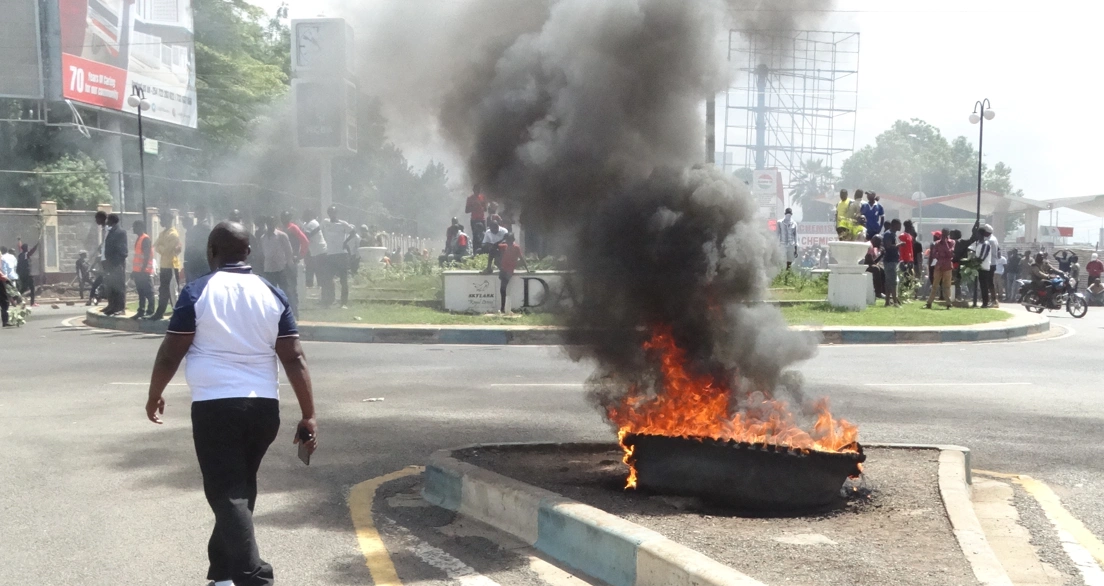
On July 7, 2025, the heart of Kenya—Nairobi—came to a standstill.

As dawn broke, the streets were eerily silent. Razor wire blocked major roads. Heavily armed police and paramilitary units patrolled the capital, determined to suppress what they described as an "unlawful uprising." But for thousands of young Kenyans, this was not rebellion—it was resistance.


What Sparked the Unrest?


This year’s Saba Saba Day—a historical remembrance of Kenya’s 1990 pro-democracy uprising—became a symbol of renewed resistance. Fueled by:


The death of blogger Albert Ojwang in police custody in June,


Longstanding issues of corruption, economic hardship, and


Police brutality that has gone unpunished for years,


Kenyans, especially Gen Z activists, took to the streets demanding justice, reforms, and respect for human rights.


Police Response: Shoot to Silence?


Rather than dialogue, the government answered with force. Nairobi was locked down. Protesters were met with:


Tear gas


Live bullets


Water cannons


Beatings from plainclothes officers and alleged hired gangs


Over 10 people were killed, many more were injured, and hundreds arrested.


Interior Minister Kipchumba Murkomen had issued a chilling directive: “Shoot on sight.” It wasn’t just words. The violence on the streets proved it.


A Generation Unafraid


What’s different this time?


Kenyans are no longer silent. From TikTok to X (formerly Twitter), thousands shared real-time footage of abuse. Youths chanted:

“We are not criminals—we are citizens!”


This generation isn’t waiting for leaders to save them—they’re demanding change now.


Who Will Be Held Accountable?


The question now is whether justice will prevail:


Will investigations into Ojwang’s death and the killing of protester Boniface Kariuki lead anywhere?


Will the government answer for its use of deadly force on unarmed civilians?


Will President William Ruto acknowledge the storm brewing under his administration?


So far, answers are few—and the anger is growing.


Kenya at a Crossroads


What happened on July 7 wasn’t just a protest—it was a wake-up call. The future of Kenya rests on how its leaders respond. More importantly, it rests on how we as citizens choose to act.


We must document. We must speak. We must vote. We must organize.


Because silence is no longer an option.

read more
Malia Obama Is Quietly Becoming a Gen Z Style Icon

Malia Obama has stepped confidently into a fashion identity all her own—far from the structured, formal White House wardrobe of her teen years. Now in her mid-20s and building a creative career in Los Angeles, Malia has developed a style that speaks volumes: a slouchy, bohemian aesthetic infused with Gen Z’s favorite trends.

Gone are the crisp dresses and coats of her Washington days. Today, Malia is more likely to be spotted in oversized shirts, denim cutoffs, leather jackets, and chunky boots. Her style embraces casual streetwear with intentional pattern clashes and gender-fluid silhouettes. Think calf-high boots paired with a suede bag and sunglasses one day, and a bold cardigan over distressed jeans the next.

One of her standout looks features floral midi skirts juxtaposed with biker jackets—a perfect balance between feminine and edgy. She’s also been seen experimenting with oversized menswear pieces, like pleated trousers and blazers with exaggerated shoulder pads.

Malia’s layering skills shine in colder months. Zebra-print pants with a plaid scarf? Unexpected, yet effortlessly cool. Her choice of accessories—from plaid totes and leather mules to white over-ear headphones—gives her wardrobe personality and flair.

But Malia’s evolution isn’t limited to fashion. Professionally known as Malia Ann, she’s writing and directing films, with her short film "The Heart" debuting at Sundance and Deauville in early 2025. She’s collaborated with Donald Glover and is steadily building a reputation in Hollywood that’s separate from her famous last name.

Her hair evolution also mirrors her fashion sense: recently dyed a rusty red, styled in braids or loose waves, signaling a willingness to take risks and embrace reinvention.

Malia’s appeal lies in her authenticity. Gen Z gravitates toward self-expression, comfort, and a touch of nostalgia—and Malia delivers. Her ability to mix thrift-like finds with luxury pieces, and her relaxed confidence, make her a modern muse.

In a sea of curated celebrity fashion, Malia Obama stands out—not because she’s trying to, but because she isn’t. And that’s exactly what makes her a Gen Z style icon.


read more
Kenya Airways Launches New Direct Flights to London Gatwick

Kenya Airways has officially launched direct, overnight flights from Nairobi’s Jomo Kenyatta International Airport to London Gatwick, starting July 2, 2025. This new service adds three flights per week—on Wednesdays, Fridays, and Sundays—bringing Kenya Airways’ total London frequency to ten affordable and convenient weekly connections.

The inaugural flight, carrying 171 passengers, departed Nairobi late at night and landed in Gatwick early the next morning after an eight-and-a-half-hour journey covering over 6,000 km. Travelers can now enjoy the luxury of "dinner in Nairobi and breakfast in London."

This expanded service not only offers greater convenience for passengers but is also projected to break even within a year. Kenya Airways emphasized Gatwick’s strategic role in boosting trade, tourism, education, and cargo capacity—by an estimated 40% increase in belly cargo space.

The new route complements the existing Heathrow connection and strengthens the airline’s position in the UK market, providing enhanced options for Kenya’s diaspora and travelers. Plans are already underway to explore further UK routes and even daily services.

read more
Apple and Other Foreign Phone Makers See Sharp Decline in China Sales

Sales of foreign-branded smartphones in China fell sharply in May 2025, with shipments dropping 9.7% year-over-year, according to data from the China Academy of Information and Communications Technology (CAICT). The total number of foreign phone units shipped was 4.54 million—down significantly from the same period last year.

Apple, the dominant foreign player in China’s smartphone market, was a major factor in the overall decline. Facing intensifying competition from domestic brands such as Huawei and Xiaomi, Apple responded with aggressive discounting strategies for its iPhone 16. On some e-commerce platforms, discounts reached as high as 2,530 yuan (about $351).

Despite these price cuts, consumer interest appears to be shifting further toward local brands, many of which have made significant technological advances and gained strong nationalistic support.

In a broader trend, overall mobile phone shipments in China fell 21.8% year-on-year, totaling just 23.72 million units in May. This indicates that both domestic and foreign brands are feeling the squeeze amid economic uncertainty, market saturation, and shifting consumer behavior.

The latest figures point to an increasingly challenging environment for foreign smartphone makers in China—once one of their most lucrative markets. Companies like Apple may have to rethink their long-term strategies to stay relevant in the face of rising domestic competition and evolving consumer expectations.

read more
EU Pushes Back AI Compliance Guide Amid Growing Pressure

The European Commission has revealed that the long-awaited Code of Practice to help companies comply with its landmark AI Act has been delayed until late 2025, marking a six-month setback from the original May 2 deadline. This guidance, aimed at developers of general-purpose AI models like ChatGPT, Google Gemini, and Mistral, is voluntary—but signing it grants legal certainty, while non-signatories risk scrutinized compliance.

Despite industry calls from tech giants like Google, Meta, and European firms including ASML and Mistral for a delay, the European Commission remains determined to maintain the Act’s timeline. Officials emphasize the importance of establishing harmonized, risk-based rules to ensure AI safety across the EU market.

The AI Act, which sets tough transparency, bias testing, and safety obligations, is scheduled to begin enforcement for general-purpose models on August 2, 2025, with full enforcement powers in 2026. However, the failure to release the compliance guide ahead of this deadline has prompted appeals for a “clock stop”—a potential pause—on the act’s implementation.

This delay reflects broader tensions between regulatory ambition and industrial readiness. Dozens of Europe’s largest companies have warned that rushed compliance could stifle innovation and deter investment. They argue that smaller businesses, in particular, could struggle to meet complex obligations without clear guidelines.

Meanwhile, Big Tech firms continue to push back. Reports suggest they exerted influence during the Code drafting process, prompting concerns that the guidelines may be diluted in their favor. Yet EU officials insist the final Code will be comprehensive—and committed to be released before enforcement begins.

As the clock ticks toward August, all eyes are on Brussels. Will the delayed guidance offer the clarity firms need, or will it lead to widespread calls for enforcement to be paused?

read more
Louis Vuitton Korea Data Breach Exposes Customer Contact Information

Louis Vuitton Korea confirmed a systems breach in June that led to the leak of some customer contact data—including names and phone numbers—but reassured shoppers that no financial information was compromised. The luxury brand discovered the incident on Wednesday, immediately notified government authorities, and has since taken steps to contain the breach and strengthen its cybersecurity systems (reuters.com).

This incident comes amid a growing trend of cyberattacks targeting high-end brands in South Korea this year, including Dior, Tiffany, and Cartier—highlighting ongoing vulnerabilities in the retail sector (lokmattimes.com). While LV Korea has emphasized that no passwords, credit card numbers, or bank account details were involved (biz.chosun.com), the breach underscores the urgent need for stronger data protection standards, especially in luxury retail where customer trust is paramount.

read more
PSG vs Bayern: Heavyweights Clash as Club World Cup Quarter-Finals Loom

At the FIFA Club World Cup in Atlanta, Paris Saint-Germain and Bayern Munich prepare for a high-stakes quarter-final showdown. PSG, fresh off a Champions League triumph captured in Munich last month, enters as favorites. They’ve secured commanding wins over Inter Miami (4–0) and Seattle Sounders (2–0), offset by a surprise loss to Botafogo. Bayern, under Vincent Kompany, were runners-up in their group but impressed with a 4–2 win over Flamengo—highlighted by a Harry Kane brace—and a dominant 10–0 routing of Auckland City(thesun.co.uk).

Both clubs are riding formidable momentum. Bayern, Bundesliga champions yet again, have netted 16 goals in four Club World Cup matches, showcasing their intent after a disappointing Champions League exit(citizen.digital). PSG, led by coach Luis Enrique, is on a mission to extend their historic continental success—they’re chasing a global title to crown an exceptional season(citizen.digital).

In a subplot rich in drama, PSG’s Bradley Barcola is seeking redemption after Bayern bested them in the Champions League group stage last autumn(bavarianfootballworks.com). Bayern’s own Harry Kane remains confident, affirming that “we can beat anyone when we’re at our level” as he prepares to face the European champions once more(bavarianfootballworks.com).

This match is shaping up as a heavyweight clash: PSG are seen as favorites, but Bayern’s firepower and recent performances signal they’re far from underdogs. The winner could well emerge as the tournament favorite, though Real Madrid still looms as a strong contender later in the draw().

read more
Ben Shelton Fumes as Wimbledon Match Halted Just One Game from Victory

American tennis star Ben Shelton was left visibly furious after his second-round match at Wimbledon against Rinky Hijikata was suspended due to poor lighting—right as he was about to serve for the win.

Having dominated the match early on, Shelton took the first two sets convincingly, 6-2 and 7-5. He then surged ahead in the third, leading 5-4 and preparing to serve for the match. But as the sun dipped below the horizon and the clock neared 21:30, the umpire on Court Two made the contentious call to halt play for the day.

The decision sparked immediate frustration from the 22-year-old, who had hoped to close out the match within minutes. His protests to officials were animated, questioning why the suspension couldn’t have come earlier or why he now had to return on Friday to potentially play just one game. The interruption also robs him of what could have been a valuable full day of rest.

Shelton, a two-time Grand Slam semi-finalist and seeded 10th at this year's Wimbledon, had earlier asked for play to be paused before the third set began due to fading light—but that request had been denied. To make matters worse, he had just failed to convert three match points on Hijikata's serve moments before the suspension.

Now, instead of celebrating a straight-sets victory, Shelton must refocus and return to finish the job—hoping the overnight delay doesn't shift the momentum in Hijikata’s favor.

read more
Bali Ferry Disaster: 6 Confirmed Dead, Dozens Still Missing

A tragic incident unfolded in Indonesian waters on July 2 when a ferry carrying 65 passengers and 22 vehicles sank en route to Bali. The KMP Tunu Pratama Jaya had departed from Ketapang in East Java and was just 30 minutes into its journey across the Bali Strait to Gilimanuk when it began to sink. According to survivor accounts, the ferry experienced a sudden leak in the engine room. Coupled with rough seas and high waves reaching up to 2.5 meters, the situation quickly deteriorated, leaving passengers scrambling for safety.

So far, six fatalities have been confirmed, including a three-year-old child. Twenty-nine passengers have been rescued and treated for injuries, while around thirty remain unaccounted for. Indonesian authorities launched an extensive rescue operation involving more than 160 personnel, multiple navy ships, helicopters, thermal drones, and even local fishing boats. However, poor visibility and dangerous sea conditions hampered overnight efforts. The search resumed the following morning with urgency as time becomes a critical factor in locating potential survivors.

Indonesia has long depended on inter-island ferry travel, but maritime accidents remain a recurring concern. Factors such as poor vessel maintenance, unpredictable weather, and frequent overloading have been identified in past disasters, including the 2018 and 2009 sinkings that claimed hundreds of lives. The recent Bali Strait incident once again underscores the need for stronger safety protocols, improved inspections, and timely emergency preparedness.

As the search continues, families of the missing wait anxiously for news. Government officials have pledged full support for recovery efforts and promised an investigation into the causes of the accident.

read more
Russia Launches Record Drone and Missile Barrage on Kyiv After Putin-Trump Call

Russia unleashed its most intense aerial assault of the war early July 4, deploying over 550 drones and 11 ballistic missiles targeting Kyiv in a seven-hour barrage. The assault followed a phone call between Presidents Vladimir Putin and Donald Trump.

What Happened

  • Drone and missile waves struck six districts of Kyiv, sparking widespread fires and injuring at least 23 people, according to Kyiv Mayor Vitali Klitschko and Ukraine’s emergency services (apnews.com).

  • Ukrainian air defenses intercepted roughly 270 threats, but dozens still breached defences, damaging residential, medical, transport infrastructure, and rail lines (apnews.com).

  • The strikes came just hours after a Trump-Putin call, which Trump described as “no progress” toward a ceasefire (washingtonpost.com).

Reactions

  • President Zelenskyy condemned the bombardment as a “deliberate act of terror” timed to coincide with diplomatic outreach (theguardian.com).

  • U.S. officials confirmed a pause in shipments of Patriot air defense systems to Ukraine, raising alarms over weakened defenses (thetimes.co.uk).

  • Ukraine is increasingly relying on domestic drones to intercept attacks, but many threats continue to slip through (theguardian.com).

What This Means

This massive strike highlights several critical issues:

  • Escalating Russian capabilities: Russia's ability to coordinate drone and missile swarms shows growing tactical reach.

  • Ukrainian vulnerability: Gaps in air defense capacity risk civilian lives and critical infrastructure.

  • Geopolitical pressures: The timing post–Trump-Putin call highlights the fragile nature of diplomatic channels when military aggression continues unabated.

In Summary

Kyiv endured its most devastating nighttime raid yet—just hours after world leaders spoke. With air defenses stretched and international support under review, Ukraine faces renewed danger from escalating Russian tactics and diplomatic uncertainty.


read more
Russia Breaks the Ice: First Country to Officially Recognize Taliban Government

In a landmark geopolitical move, Russia has become the first nation to officially recognize the Taliban government in Afghanistan, breaking a global diplomatic freeze that has lasted since the group seized power in August 2021.

Moscow’s Recognition: A Strategic Shift

Russian President Vladimir Putin confirmed the decision this week, stating that official recognition had been granted to the Taliban-led government in Kabul. According to Russian officials, the move was made in response to the Taliban’s sustained control over Afghanistan and Russia’s evolving interests in Central and South Asia.

This recognition represents a calculated diplomatic gamble by Moscow, as most of the international community—including the United States, European Union, and United Nations—have withheld recognition over concerns about human rights, terrorism, and women’s rights under Taliban rule.

What This Means for Afghanistan

For the Taliban, Russia’s recognition offers a vital breakthrough. It not only boosts their international legitimacy but could also unlock potential avenues for trade, security cooperation, and investment, especially in Afghanistan’s mineral-rich landscape.

Afghan officials welcomed the decision. A Taliban spokesperson praised the move as a “positive step” and called on other countries to follow Russia’s lead in formalizing diplomatic relations.

Global Response: Divided and Cautious

The international reaction has been mixed:

  • Western governments continue to insist that recognition must be tied to concrete actions, particularly improvements in women’s rights, inclusive governance, and counter-terrorism assurances.

  • China and Iran have maintained diplomatic ties with the Taliban but stopped short of formal recognition. Russia’s move could potentially embolden these states to reconsider.

  • Human rights groups have criticized the decision, warning that it may undermine pressure on the Taliban to reform.

Why Now?

Russia’s move comes at a time of increasing global polarization. Isolated from much of the West due to its ongoing war in Ukraine, Russia appears keen to expand its influence in regions where U.S. power has waned. Afghanistan, still reeling from the withdrawal of NATO forces and years of conflict, is seen as an opportunity for Russia to assert strategic dominance.

Final Thoughts

This recognition is more than a symbolic gesture—it could mark the beginning of a broader geopolitical realignment in Asia. Whether other nations follow Russia’s lead remains to be seen, but the Taliban’s diplomatic thaw has begun.

read more
Microsoft Trims 9,000 Jobs to Fuel AI Ambitions

Microsoft has announced its latest round of job cuts, setting the stage for a major transformation in its workforce. The tech giant will lay off up to 9,000 employees—around 4% of its global staff—as it repositions its business to focus heavily on artificial intelligence.

Why Now?

According to a company spokesperson, this move is part of a broader plan to adapt to a rapidly evolving market and align resources with emerging priorities. Microsoft has already earmarked $80 billion to build massive data centers dedicated to AI model training. In that light, pruning roles in legacy operations, including areas like Xbox, appears to be a strategic shift rather than short-term cost-cutting.

What’s Affected

Exact details on which divisions will see the largest reductions remain unclear, though reports suggest the Xbox gaming unit may be impacted. This follows earlier cuts in 2025, bringing the total number of layoffs this year to around 15,000 employees.

Broader Implications

  • Business model shift
    By reshaping its workforce, Microsoft is signaling a pivot from traditional software and services toward cutting-edge AI technologies and cloud infrastructure.

  • Impact on employees
    While the transition may spark resentment among affected staff, it also indicates growing demand for AI-driven roles and cloud expertise.

  • Industry trend
    Microsoft’s move mirrors a larger trend among tech giants—rebalancing staff as investments in AI and automation take precedence.

Final Thoughts

This decision reveals how AI is no longer an experimental phase, but central to Microsoft’s future. While the layoffs may cause disruption, the company believes in positioning itself at the forefront of AI innovation.

read more
Thailand in Crisis: New Acting Prime Minister Amid Political Earthquake

Thailand’s political storm intensified today as the nation appointed its second acting prime minister in just days. Here’s a closer look at the key developments and their implications:

Cabinet Shake-Up Amid Legal Battle

Prime Minister Paetongtarn Shinawatra was suspended on July 1 by the Constitutional Court over an ethics investigation tied to a leaked phone call with former Cambodian leader Hun Sen. Critics accused the call—where she referred to Hun Sen as “uncle” and criticized a prominent Thai military commander—of compromising national interests (time.com, aljazeera.com, apnews.com). The court has given her 15 days to respond (ft.com).

Following the suspension, Deputy PM Suriya Juangroongruangkit served briefly as acting prime minister on July 1–2 (en.wikipedia.org). With a new cabinet sworn in and endorsed by King Maha Vajiralongkorn, Phumtham Wechayachai, the interior minister, was appointed acting prime minister on July 3 (aljazeera.com).

Political Fallout & Public Response

The phone call scandal sparked a mass exodus from the governing coalition: the Bhumjaithai party withdrew on June 18, stripping Paetongtarn of her majority (en.wikipedia.org). Public dissatisfaction surged, with her approval rating dropping to under 10% (). Protests erupted across Bangkok, calling for her resignation (apnews.com).

What’s Next for Thailand?

  • Court verdict looming: The Constitutional Court has 15 days to decide Paetongtarn’s fate—possible outcomes include reinstatement, permanent removal, or forced resignation (apnews.com).

  • Potential successors: If Paentongtarn is removed, the ruling party could nominate veteran figures like Chaikasem Nitisiri or even pave the way for a snap election (time.com).

  • Democratic era at crossroads: With political dynasties repeatedly removed by unelected bodies and growing military influence, concerns swirl about the health of Thai democracy (apnews.com).

Key Players

  • Phumtham Wechayachai: A veteran within the Pheu Thai Party, now serving as acting prime minister and interior minister (en.wikipedia.org).

  • Suriya Juangroongruangkit: Senior politician who led the government briefly post-suspension (en.wikipedia.org).

  • Paentongtarn Shinawatra: Daughter of former PM Thaksin, now suspended and fighting to retain her position (apnews.com).

Final Thoughts

Thailand now stands at a political crossroads. With authority held temporarily by Phumtham, the country faces a pivotal moment—whether an entrenched political culture of judicial removal will continue or whether democracy can find stronger footing. This crisis tests not only individual power dynamics, but also the resilience of Thailand’s democratic institutions.

read more
Tragedy Strikes Football World: Diogo Jota and Brother Killed in Car Crash

The football community is mourning the sudden and devastating loss of Liverpool forward Diogo Jota and his younger brother André Silva. The two were killed in a car crash early Thursday morning in northwestern Spain.

What Happened

According to Spanish police, the brothers were driving a Lamborghini along the A‑52 highway near the city of Zamora. Around midnight, during an overtaking maneuver, a tire burst. The car veered off the road, crashed, and erupted in flames. Both Jota and his brother died instantly.

About the Victims

Diogo Jota, aged 28, was one of Portugal’s brightest football stars. Having played a key role in Liverpool’s recent Premier League title, he scored 65 goals in 182 appearances over five years. He also had 49 caps for Portugal’s national team, contributing 14 goals and helping the squad win the Nations League this summer.

His brother, André Silva, was a 25-year-old midfielder playing for Penafiel, a second-division club in Portugal. The two were reportedly returning from a private celebration when the tragedy occurred.

The Impact and Reactions

Jota’s sudden death sent shockwaves through the sports world. Portuguese Prime Minister Luís Montenegro expressed deep sorrow, calling the incident an “unexpected and tragic” loss. Tributes have poured in from across the globe, including messages from Cristiano Ronaldo, UEFA, Liverpool FC, and fellow players in both football and other sports.

Ronaldo wrote on social media, “This doesn’t make any sense. I’m heartbroken. Let’s support his family the way he always supported us.”

A Family Man

Jota had recently married his long-time partner Rute Cardoso in a private ceremony on June 22. The couple had three children together, the youngest born just last year. His death leaves behind a grieving family and millions of devastated fans.

Why It Matters

Diogo Jota wasn’t just a footballer—he was a global talent, a loving father, and a rising icon. His death is a loss to football, to Portugal, and to everyone who admired his passion and humility.

The tragedy also highlights the importance of road safety, even for professional athletes with access to the best vehicles and resources. Investigations are ongoing into the condition of the car and the circumstances of the crash.

read more
Tragedy on the Road: Diogo Jota and His Brother Die in Spain Crash

In the early hours of July 3, Liverpool and Portugal star Diogo Jota lost his life in a devastating car accident in northwestern Spain. His 25-year-old brother, André Silva, also died in the crash. Here's everything we know about this heartbreaking event.

What happened:
According to Spanish police, the brothers were driving a Lamborghini on the A‑52 highway near Zamora when, just after midnight, a tire burst during an overtaking maneuver. The vehicle veered off-road and burst into flames, killing both instantly (apnews.com).

Who were they:

  • Diogo Jota, 28, was a key forward for Liverpool, scoring 65 goals in 182 appearances across five trophy‑winning campaigns, including the recent Premier League title. He also earned 49 caps for Portugal, netting 14 goals and contributing to their Nations League victory this summer (apnews.com).

  • André Silva, 25, played as a midfielder for Portuguese club Penafiel in the second division (apnews.com).

Family and legacy:
Jota had only recently celebrated his wedding to Rute Cardoso on June 22; the couple shared three young children, the youngest born last year (apnews.com). The sudden loss has stunned not only fans, but political and sporting communities—Portuguese Prime Minister Luís Montenegro described it as “unexpected and tragic,” while the Portuguese Football Federation acknowledged the deaths as an “irreparable loss” to national and international football (apnews.com).

Reactions poured in worldwide:
Cristiano Ronaldo, a Portugal teammate, called the news “doesn’t make any sense,” and urged support for Jota’s family (apnews.com). Liverpool FC, the Premier League, UEFA, NBA star LeBron James, tennis legend Rafael Nadal, and others publicly expressed devastation. Memorials such as moments of silence at Women's European Championship matches and floral tributes at Anfield have already taken place (apnews.com).


Why this matters

  • Football loses a young pillar of its future: Jota was only 28—a prime athlete who had already left a lasting legacy at club and international levels.

  • Heightened focus on road safety: Initial reports point to a tire blowout during an overtaking attempt. The tragedy underscores the dangers even professional drivers face.

  • Human stories behind the headlines: Amid trophies and celebrations, Jota was also a devoted husband and father—his death is deeply personal, not just symbolic of a fallen star.


Final thoughts

This accident is more than a blow to football—it’s a reminder of life’s fragility. Diogo Jota’s energy, talent, and love for family inspired millions; his and André's untimely passing leaves a void felt across continents.

Please consider honoring their memory by supporting driver safety initiatives or youth football programs in their names.

read more
Ukraine Hits Deep: Russian Navy’s No. 2 Killed in Bold Strike

In a major escalation of the ongoing war, Ukraine has killed one of Russia’s highest-ranking naval officers in a missile strike deep inside Russian territory. The attack took place in the Kursk region, killing Major-General Mikhail Gudkov, deputy commander of the Russian Navy.

This bold strike is being called one of Ukraine’s most strategically significant operations of 2025.

Who Was Mikhail Gudkov?

Major-General Gudkov, just 42 years old, was appointed deputy navy chief in March 2025. Before that, he commanded the 155th Guards Naval Infantry Brigade—Russia’s elite marines who have been involved in major battles since the early days of the war, including Kyiv in 2022 and Vuhledar in 2023.

His brigade has also been accused by Ukrainian officials of committing war crimes, including the execution of prisoners.

Inside the Strike

Ukrainian forces reportedly used HIMARS—U.S.-supplied precision rocket systems—to hit a field command post near the town of Korenevo, around 30 kilometers from the Ukrainian border. Gudkov and at least ten senior officers were confirmed killed in the attack.

While Russia initially remained silent, the Kremlin later acknowledged his death—an unusual move, signaling the gravity of the loss.

How Ukraine Found Him

Sources indicate Ukraine’s intelligence success may have stemmed from a communications leak. Russian soldiers in a different region were allegedly broadcasting real-time coordinates during a celebration, allowing Ukrainian surveillance to track and confirm Gudkov’s exact location.

Others suggest a possible mole or signal intercept played a role in the targeting.

Why This Strike Matters

Killing a senior military leader on Russian soil signals a new chapter in Ukraine’s warfare strategy. Ukraine is proving it can strike deeper, faster, and with more accuracy than ever before.

This strike:

  • Disrupts Russian naval command structure

  • Boosts Ukrainian military morale

  • Sends a message to Russian leadership that no one is untouchable

For Russia, it’s a stark reminder of the war’s unpredictability. For Ukraine, it’s a major strategic win.

What’s Next?

This event is likely to intensify Russia’s retaliation strategy. Analysts also warn it could influence Western nations’ decisions on supplying more advanced weaponry to Ukraine.

The war continues to evolve, and this moment may mark a turning point in Ukraine’s ability to disrupt Russian military operations from the inside out.

read more
U.S.–Israeli Strikes Hit Iran’s Nuclear Program: Delay or Dangerous Escalation?

In one of the most significant military operations of 2025, the United States and Israel have launched coordinated airstrikes targeting Iran’s nuclear infrastructure. According to U.S. defense officials, these attacks have effectively set back Tehran’s nuclear capabilities by one to two years. But behind this statement lies a volatile reality — one that may reshape power dynamics across the Middle East and beyond.


Strategic Targeting: What Was Hit?

The strikes reportedly focused on critical Iranian nuclear sites, including Fordo, Natanz, and associated facilities connected to centrifuge development and uranium enrichment. These are deeply embedded, fortified structures — which makes their successful targeting notable. Satellite imagery and intelligence assessments suggest that advanced Israeli drone and U.S. bomber technologies were deployed with high precision.

The result: several hundred centrifuges destroyed or disabled, and delays in Iran’s uranium enrichment process. Damage to electrical systems and fuel supplies has further disrupted operations.


Iran's Response: Defiance and Silence

Iranian authorities have remained relatively quiet about the full extent of the damage, but they’ve vowed retaliation. Tehran has also withdrawn cooperation with the International Atomic Energy Agency (IAEA), meaning that outside observers now have little visibility into Iran’s nuclear intentions or capabilities.

This silence fuels concerns that Iran could now shift from monitored enrichment to a more clandestine nuclear weapons pursuit — pushing its program deeper underground, both literally and diplomatically.


The Diplomatic Vacuum

These airstrikes come after years of stalled diplomacy following the U.S. withdrawal from the Iran nuclear deal (JCPOA). While the Biden and Raisi administrations had hinted at potential talks in early 2024, escalating proxy conflicts and increased regional hostilities derailed negotiations.

By choosing military action over renewed diplomacy, Washington and Tel Aviv have bought time — but may have also closed the door on a negotiated path forward.


Regional Implications

The strikes have already sent shockwaves through the Middle East:

  • Hezbollah and Houthi militias have increased their alert levels.

  • Oil prices have spiked due to uncertainty in the Strait of Hormuz.

  • Russia and China have condemned the attacks, calling them destabilizing.

  • Saudi Arabia and Gulf allies have remained cautiously silent, though they likely view a weakened Iran as strategically beneficial.

This episode risks triggering a broader conflict, especially if Iran responds with direct or proxy attacks on Israeli or U.S. interests.


What Does This Mean for Global Security?

The short-term impact is clear: Iran’s nuclear progress is stalled. But the longer-term consequences could be more dangerous. By breaking the back of a monitored program, the strikes may incentivize a shadow program — harder to track, harder to stop.

Without diplomatic engagement and IAEA access, the international community loses leverage. Military might may win battles, but wars — especially nuclear ones — are ultimately fought in backchannels and conference rooms.


Final Thoughts

The U.S.–Israeli strikes mark a turning point. Whether it’s a victory or a spark for deeper conflict depends on what happens next. Will diplomacy return to the table? Or will the region slide further into hostility?

Either way, the world must now confront a more uncertain nuclear future — one that cannot be controlled by airstrikes alone.

Read more: Al Jazeera

read more
From Madrid to Miami? Karim Benzema Eyes MLS Move Amid Retirement Rumors

In a story that’s setting off fireworks in the football world, former Real Madrid icon Karim Benzema is reportedly plotting his next move — and it could take him to the heart of American soccer.

At 37, the Ballon d'Or-winning striker is considering a switch to Major League Soccer (MLS) as he looks to secure a U.S. visa, according to a report from the New York Post. Benzema has already enlisted top immigration attorney Michael Wildes, best known for helping global celebrities settle in the United States. With the 2026 FIFA World Cup looming on U.S. soil, the timing couldn’t be more intriguing.

Currently playing for Al-Ittihad in the Saudi Pro League, where he's raking in over $110 million annually, Benzema has proven he still has fire in his boots. So far this season, he’s scored 19 goals and provided 9 assists in just 27 starts — a reminder that age is just a number when it comes to elite talent.

But why leave now?

While no MLS club has publicly entered the race, speculation is swirling. Benzema’s potential arrival would likely require a Designated Player (DP) slot — a mechanism MLS clubs use to sign top-tier stars outside standard salary cap constraints. Think of legends like Beckham, Zlatan, or Messi — Benzema would follow in great company.

Interestingly, it’s not just the U.S. making a play for him. Rumors out of Mexico suggest Liga MX side Monterrey is also preparing an ambitious offer. And who’s allegedly helping broker that deal? None other than Sergio Ramos, Benzema’s long-time teammate at Real Madrid.

Let’s not forget — Benzema’s legacy is already secured:

  • 354 goals in 648 appearances for Real Madrid — second only to Cristiano Ronaldo

  • 37 goals in 97 matches for the French national team

  • 2022 Ballon d’Or winner

  • Retired from international football in 2022 after missing the World Cup due to injury

Whether Benzema ends up in Miami, Los Angeles, New York, or even Monterrey, one thing is certain: this move could redefine his legacy and give MLS another global superstar to drive its growing popularity.


read more
Safaricom Breaks New Ground: First East African Company to Surpass KSh 300 Billion Revenue

Safaricom PLC has achieved a significant milestone, becoming the first publicly listed company in Eastern Africa to surpass KSh 300 billion in annual revenue. For the financial year ending March 31, 2025, the telecommunications giant reported a total revenue of KSh 388.7 billion, marking an 11.2% increase from the previous year. This achievement underscores Safaricom's dominant position in the region's telecom industry.

Financial Highlights

The company's net profit for the year rose to KSh 69.8 billion, up from KSh 42.6 billion in the previous year. Earnings Before Interest and Taxes (EBIT) also saw a substantial increase of 29.5%, reaching KSh 104.1 billion. These figures reflect the company's robust financial health and effective business strategies.

Expansion into Ethiopia

Safaricom's expansion into Ethiopia has contributed significantly to its revenue growth. The Ethiopian subsidiary now accounts for nearly 10% of the group's total revenue. In the past year, Safaricom Ethiopia more than doubled its customer base to 8.8 million and established over 3,100 network sites. Additionally, 2.4 million customers in Ethiopia are actively using M-Pesa services, transacting over KSh 20.6 billion during the year.

Performance in Kenya

In its home market, Kenya, Safaricom's service revenue grew by 10.5% to KSh 364.3 billion. M-Pesa, the company's mobile money platform, experienced a 15.2% increase in revenue, reaching KSh 140.1 billion. This growth highlights the continued demand for mobile financial services in the region.

Dividend Announcement

The board of Safaricom has proposed a final dividend of KSh 0.65 per share, bringing the total dividend for the year to KSh 1.20 per share. This payout reflects the company's commitment to delivering value to its shareholders.

Looking Ahead

Safaricom's leadership attributes the company's success to sustained innovation, strategic expansion, and a strong customer base. The positive performance in Ethiopia, despite initial challenges, positions Safaricom for continued growth in the region. As the company continues to expand its services and customer base, it is well-positioned to maintain its leadership in the East African telecom sector.


Final Thought:
Safaricom's achievement of surpassing KSh 300 billion in revenue is a testament to its strategic initiatives and market leadership. As the company continues to innovate and expand, it sets a benchmark for other companies in the region to aspire to.

read more
Philip Aroko Remanded for 7 Days in Connection with Kasipul MP Ong'ondo Were's Murder

Businessman and political figure Philip Nahashon Aroko has been remanded for seven days in connection with the murder of Kasipul Member of Parliament, Charles Ong'ondo Were. Aroko was presented in court on May 7, 2025, after a High Court order compelled police to account for his whereabouts. He had reportedly been held incommunicado since his arrest, prompting concern and legal action from his lawyers.

The prosecution linked Aroko to the assassination, citing financial transactions and communication records. They allege that Aroko issued threats to the legislator and was financially involved in orchestrating the murder. Evidence points to organized meetings held in Homabay, Nairobi, and Nakuru, which are believed to have been part of the planning stages preceding the MP's death.

Aroko denied the allegations and requested to be remanded at Kileleshwa Police Station due to health concerns for himself and his wife. He opposed the 30-day custodial period requested by the prosecution, stating that it was unreasonable given his medical needs and family situation. The court granted the prosecution seven working days to hold him, directing that he be detained at Kileleshwa Police Station.

The investigation into the murder continues, with authorities analyzing financial transfers allegedly initiated by Aroko and tracing multiple witnesses. The late MP had earlier filed reports at the Directorate of Criminal Investigations (DCI) in Nairobi, citing threats from Aroko. Some witnesses now fear coming forward, and the prosecution has requested a 30-day custodial period to allow time for further investigations and to ensure their protection.

read more
China-Russia Alliance on Display: Xi and Putin Lead Lavish Victory Day Parade

On May 9, 2025, Moscow hosted its most extravagant Victory Day parade in years, commemorating the 80th anniversary of Nazi Germany's defeat in World War II. The event was marked by a significant display of military might and a deepening of ties between Russia and China.

A Unified Front: Chinese and Russian Forces March Together

In a rare show of unity, Chinese troops marched alongside Russian forces on Red Square, symbolizing the strengthening strategic partnership between the two nations. This collaboration underscores their shared interests and mutual support in the face of Western opposition.

Leaders' Joint Appearance: Putin and Xi Address the Nation

Russian President Vladimir Putin and Chinese President Xi Jinping appeared together at the parade, emphasizing their countries' close relationship. Putin used the occasion to justify Russia's ongoing military actions in Ukraine, framing them as a continuation of the fight against fascism. Xi reiterated China's support for Russia, highlighting their united stance against perceived Western hegemony.

Global Reactions: A Divided World

The parade attracted at least 27 foreign leaders, including those from Brazil and North Korea, signaling a broad, if controversial, international presence. However, the event also drew criticism from Western nations, with leaders condemning Russia's historical narratives and ongoing aggression in Ukraine. In response, Ukraine intensified its drone attacks, although it refrained from targeting Moscow during the parade.

Looking Ahead: Implications for Global Alliances

The joint appearance of Xi and Putin at the Victory Day parade marks a significant moment in international relations, showcasing the growing alignment between China and Russia. As both countries continue to challenge Western influence, their partnership may have lasting implications for global geopolitics.


Final Thought:
The Moscow Victory Day parade served as a powerful reminder of the evolving dynamics in global politics. The visible unity between China and Russia signals a shift towards a multipolar world order, where traditional alliances are being redefined. As these two nations strengthen their ties, the international community will be closely watching the developments that follow.

read more
A New Dawn for the Catholic Church: Meet Pope Leo XIV

On May 8, 2025, the world witnessed a historic moment from the balcony of St. Peter’s Basilica as Pope Leo XIV was announced as the 267th pope of the Roman Catholic Church. His election comes following the death of Pope Francis on April 21, 2025, marking the end of an era and the beginning of a new chapter for the global Catholic community.

Who Is Pope Leo XIV?

Born Robert Francis Prevost in Chicago, Illinois, Pope Leo XIV brings a unique blend of North and South American heritage to the papacy. He also holds Peruvian citizenship, having served for more than two decades as a missionary and later as a bishop in Peru. His deep ties to Latin America and his pastoral work among the poor have shaped his approach to leadership—humble, mission-focused, and people-oriented.

Before ascending to the papacy, he was appointed as the Prefect of the Dicastery for Bishops by Pope Francis and was elevated to cardinal in 2023. His leadership was marked by quiet strength and an ability to listen—traits that many say echo those of his predecessor.

Honoring the Past, Shaping the Future

Upon his election, Cardinal Prevost chose the name Leo XIV, honoring Pope Leo XIII, who was revered for his forward-thinking social teachings and advocacy for workers' rights. The new pope’s decision to align with Leo XIII’s legacy is telling—it reflects a desire to continue progressive reforms within the Church, particularly in areas of social justice, inclusion, and interfaith dialogue.

In his first address to the world, Pope Leo XIV opened with the words:
“Peace be with all of you!”
He emphasized unity, compassion, and the importance of missionary work in today’s fractured world.

What Can the World Expect?

At 69 years old, Pope Leo XIV is seen as a moderate, capable of bridging the divide between conservative and progressive voices within the Church. Analysts predict that he will continue many of Pope Francis’ reforms while also carving his own path—especially in areas such as:

  • Strengthening the Church's voice in climate advocacy

  • Expanding outreach to marginalized communities

  • Navigating the role of women and laity in church governance

  • Reinforcing the importance of youth engagement and digital evangelism

Why This Matters

The election of Pope Leo XIV comes at a time when the world is grappling with rising secularism, global conflict, and widespread disillusionment with religious institutions. His leadership could be pivotal in reinvigorating faith, restoring trust, and bringing the Church closer to the people it serves.

For over a billion Catholics worldwide, this is more than just a change in leadership—it’s the beginning of a new chapter in the Church’s long and storied history.


Final Thought:
Pope Leo XIV’s papacy is already being described as one of hope, renewal, and spiritual clarity. Whether you are Catholic or not, his words and actions will echo across continents and generations. The world will be watching—prayerfully, curiously, and with high expectations.

read more
Chace Crawford and Kelsey Merritt Confirm Romance with a Kiss in New York City

Chace Crawford, best known for his iconic role as Nate Archibald on Gossip Girl, has officially confirmed his relationship with Victoria’s Secret model Kelsey Merritt. The couple made their romance public with a sweet kiss during an outing in New York City on April 18, 2025.

The couple had been the subject of rumors since January 2025, when they were first spotted together in Los Angeles. Their relationship had been kept under wraps, with Crawford previously sharing his single status during a podcast appearance in December 2024. However, the recent PDA-filled outing in the city leaves no doubt about their budding romance.

Merritt, 28, was the picture of elegance during their day out, dressed in a white T-shirt, beige bomber jacket, black heels, and carrying a chic Birkin bag. Crawford, 39, kept it casual with a gray sweater, jeans, and a black baseball cap. The couple walked hand-in-hand through the city, shopping at Khaite and sharing affectionate moments, including a kiss that sent fans into a frenzy on social media.

Kelsey Merritt is no stranger to making history in the fashion world. She made waves as the first Filipino model to walk in the Victoria’s Secret Fashion Show and later became the first Filipino to appear in the Sports Illustrated Swimsuit Issue. Her modeling career has seen massive success, making her one of the most recognized faces in the industry.

Chace Crawford, on the other hand, continues to shine in his role as The Deep in The Boys on Amazon Prime. The dark and satirical take on superhero culture has earned him critical acclaim, cementing his place as a versatile actor in Hollywood. Fans of both Crawford and Merritt have been eagerly following their relationship, and this public display of affection only fuels excitement among their followers.

With this confirmation, the couple joins the growing list of celebrity couples that have publicly embraced their relationships. Fans are eager to see where this romance goes, and it seems like both stars are ready to embrace their love in the spotlight.

read more
IBM z17: Revolutionizing Mainframe Computing for the AI Era

In a groundbreaking development, IBM has unveiled its most powerful mainframe to date, the IBM z17, designed specifically for the AI-driven era. This cutting-edge system is poised to redefine the landscape of enterprise computing, enabling businesses to harness the full power of artificial intelligence (AI) while ensuring robust performance, scalability, and security.

AI-Optimized Architecture for Modern Workloads

The IBM z17 is powered by the new Telum II processor, which integrates an on-chip AI coprocessor, specifically engineered to handle the complex requirements of AI applications. This processor not only boosts the system's capability to process AI workloads but also significantly enhances its ability to perform AI inference operations. The z17 can process 50% more AI inference operations per day than its predecessor, the z16.

To further enhance its AI capabilities, the z17 supports the IBM Spyre Accelerator, a powerful PCIe card expected to be available in the latter part of 2025. This accelerator is designed to tackle unstructured data processing tasks, such as text-based generative AI, by offloading AI workloads from the mainframe. Organizations can scale their AI operations with ease by adding up to 48 of these accelerator cards.

A Strong Emphasis on Security

Security remains a cornerstone of IBM’s design philosophy, and the z17 is no exception. Built with AI-powered security features, it offers Sensitive Data Tagging and Threat Detection for z/OS, which utilize natural language processing to identify and protect sensitive data and detect potential security threats. These advancements ensure that the system can defend against emerging threats and vulnerabilities in real time.

Furthermore, the z17 is equipped with quantum-safe cryptography, ensuring that it remains secure even as quantum computing technology progresses. This forward-thinking approach positions the z17 as a future-proof solution for organizations that need to safeguard their data against potential quantum threats.

Seamless Integration with Hybrid Cloud Environments

One of the most exciting aspects of the IBM z17 is its ability to integrate seamlessly into hybrid cloud environments. The new z/OS 3.2 Operating System, set to be released later in 2025, will provide support for AI-accelerated workloads, enable easier data integration across cloud and on-premises systems, and allow businesses to modernize their mainframe applications.

In addition, the system will feature Watsonx Code Assistant for Z, a tool that helps developers modernize mainframe applications and optimize code for better performance. With this tool, businesses can streamline the modernization process and boost the efficiency of legacy applications.

Availability and Future Outlook

The IBM z17 will be available to customers starting on June 18, 2025. Alongside this, the Spyre Accelerator will be released in Q4 2025 to further boost the system's AI capabilities.

As organizations look to future-proof their IT infrastructure and embrace the power of artificial intelligence, the IBM z17 represents a significant step forward in the evolution of mainframe computing. With its AI-optimized architecture, enhanced security features, and hybrid cloud compatibility, the z17 is set to be a game-changer for businesses seeking to leverage AI and modernize their legacy systems.

For those interested in learning more about the IBM z17 and its capabilities, further details can be found on IBM’s official website.


This new mainframe promises to revolutionize the way businesses process data, handle AI workloads, and secure their infrastructure. As we move deeper into the AI era, innovations like the IBM z17 will undoubtedly play a key role in shaping the future of enterprise computing.

read more
The Journey of Pope Francis: A Legacy of Love, Faith, and Humility

On Easter Monday, April 21, 2025, the world bid farewell to one of the most compassionate and transformative leaders of the Roman Catholic Church — Pope Francis. At the age of 88, he passed away peacefully in his residence at Domus Sanctae Marthae, Vatican City, following a stroke and subsequent cardiocirculatory collapse.

✝️ A Humble Beginning

Born Jorge Mario Bergoglio on December 17, 1936, in Buenos Aires, Argentina, Pope Francis made history in 2013 when he became the 266th pope, and the first:

  • From the Americas

  • Of the Jesuit order

  • Non-European in over 1,200 years

His papacy was defined by humility, inclusivity, and a call for the Church to serve the poor, the marginalized, and the environment. He famously chose to reside in a modest guesthouse rather than the lavish papal apartments, setting the tone for a papacy grounded in simplicity.

📜 His Impactful Legacy

Throughout his 12-year papacy, Pope Francis championed:

  • Environmental stewardship through Laudato Si’

  • Fraternity and social unity in Fratelli Tutti

  • Interfaith dialogue and peacebuilding across religions

  • Mercy over judgment, opening the Church to more inclusive interpretations and outreach

He will be remembered not just as a religious leader, but as a global moral voice who dared to challenge norms, speak out on climate change, advocate for migrants, and bridge gaps between faith and action.

🏥 A Struggle in Final Days

Pope Francis had been hospitalized in February 2025 for what was initially reported as a respiratory tract infection. He remained under medical care for over five weeks, with doctors later confirming a case of bilateral pneumonia. Despite brief signs of recovery, his health declined rapidly, leading to his passing.

🕏️ The Final Journey

The official announcement of his death was made by Cardinal Kevin Farrell, Camerlengo of the Holy Roman Church, through a Vatican Media broadcast.

His funeral is scheduled for Saturday, April 26, 2025, in St. Peter's Square — a place where he once addressed millions with messages of hope and compassion.

In a final act of humility, Pope Francis will be laid to rest at the Basilica of Saint Mary Major in Rome, honoring his devotion to the Virgin Mary. This marks the first time since 1903 that a pope will not be buried in St. Peter’s Basilica.

🙏 In Memoriam

As we reflect on Pope Francis's life, we remember a man who led with his heart, listened with grace, and taught the world to look beyond division and towards unity, love, and mercy.

May his soul rest in eternal peace.

read more
Butere Girls' 'Echoes of War' Play Sparks National Debate

Butere Girls High School's production of "Echoes of War" has become a focal point of national discourse, highlighting the intersection of art, politics, and freedom of expression in Kenya.

A Courageous Performance

On April 10, 2025, the school's drama troupe attempted to stage "Echoes of War" at the National Drama and Film Festival in Nakuru. However, their performance was thwarted when they were denied access to essential equipment, including a public address system. In response, the students sang the national anthem and left the stage, expressing their frustration over inadequate rehearsal time and the absence of their director, Cleophas Malala.

Controversial Themes and Government Response

The play, penned by former Kakamega Senator Cleophas Malala, delves into themes of governance, social justice, and the challenges faced by Generation Z. Set in the fictional Royal Velvet Emirates, it portrays the struggle between the older and younger generations, emphasizing the role of technology and social media in advocating for change. These themes have drawn parallels to Kenya's political landscape, echoing past narratives of artistic expression and governmental scrutiny.

Historical Parallels

The situation recalls Kenya's Moi-era crackdowns on free speech and artistic expression. Notably, in 1977, playwright Ngugi wa Thiong’o's production "Ngaahika Ndeenda" was banned, and he was subsequently detained without trial. This historical context underscores the enduring tension between creative expression and political authority in the country.

Current Developments

Following the students' walkout, Malala alleged that approximately 15 students were missing, prompting calls for their whereabouts to be ascertained. He criticized the government's interference, suggesting that President William Ruto was involved in obstructing the play's performance without having seen it.

Despite these challenges, Dennis Itumbi, Head of Presidential Special Projects, affirmed that Butere Girls High School had not been barred from performing "Echoes of War" and wished them success at the festival.

Conclusion

The ordeal faced by Butere Girls High School serves as a poignant reminder of the complexities surrounding freedom of expression, especially within educational settings. It prompts a broader conversation about the role of art in reflecting societal issues and the potential repercussions when creative works challenge prevailing narratives.

read more
Title: Sudan in Crisis: A Call to End Gender-Based Violence

In the midst of Sudan's ongoing conflict, alarming reports of sexual violence have surfaced, painting a grim picture of the humanitarian crisis unfolding across the country. Recent findings have exposed a disturbing pattern of abuse against women and girls allegedly carried out by the Rapid Support Forces (RSF) — a paramilitary group embroiled in the country’s violent struggle for power.

Between April 2023 and October 2024, documented cases reveal that dozens of women and girls, some as young as 15, have suffered rape and other forms of sexual violence across multiple Sudanese states. The violence appears to be systematic, often committed during home invasions or in detention settings. Survivors have described horrifying ordeals, many experiencing gang rape, forced displacement, and long-lasting trauma.

Human rights advocates argue that these acts are not isolated incidents but part of a wider strategy aimed at terrorizing and displacing communities. The alleged atrocities not only constitute war crimes under international law but may also amount to crimes against humanity.

Global organizations are calling for urgent action. They urge an immediate end to arms transfers to Sudan and demand justice for the victims through international accountability mechanisms. Equally vital is the call to provide protection and support services for survivors, ensuring they receive the care and dignity they deserve.

As the world watches Sudan spiral deeper into conflict, one truth remains clear: protecting women and girls must be a priority. The international community cannot afford to stand by in silence while such horrors continue.

Read more: Al Jazeera

read more
Isar Aerospace's Spectrum Rocket Crashes After Takeoff in Norway

Isar Aerospace, a Munich-based private space startup, faced a setback as its Spectrum rocket crashed into the sea shortly after liftoff from Norway’s Andøya Space Center. The test launch, intended to showcase the rocket’s capabilities, was cut short due to a malfunction approximately 30 seconds after takeoff.

The Spectrum Rocket: Europe’s Hope for Independent Launches

The Spectrum rocket is designed to carry small and medium-sized satellites into orbit, marking a crucial step toward Europe’s goal of reducing reliance on external launch providers. Standing at 28 meters tall, it has a payload capacity of up to 1,000 kg for low Earth orbit (LEO). The rocket utilizes a fuel-efficient propane and liquid oxygen (LOX) engine system, making it a promising contender in the private space race.

What Went Wrong?

Despite favorable weather conditions at launch, the rocket unexpectedly veered off course, prompting the activation of the Flight Termination System. This safety mechanism destroyed the vehicle before it could pose any risk. While the test did not go as planned, Isar Aerospace remains optimistic, emphasizing that crucial flight data was collected to improve future launches.

A Step Forward for European Space Innovation

This mission was a major milestone for Europe's private space sector. Even with the failure, it demonstrates progress toward establishing independent launch capabilities. The data gathered from the flight will aid in refining future iterations of the Spectrum rocket as the company pushes forward with its ambitious plans.

Read more: CBS News

read more
Nutrition 003: The Long-Term Impact of Diet on Health

Welcome back to our Nutrition 001 series! In the previous editions, we explored the fundamentals of a balanced diet and the science behind macronutrients, micronutrients, and hydration. Now, we turn our focus to the long-term effects of nutrition on overall health. Understanding how diet influences chronic diseases, mental well-being, and longevity can empower you to make smarter food choices for a healthier future.

The Role of Nutrition in Preventing Chronic Diseases

A well-balanced diet does more than provide daily energy—it acts as a preventive tool against lifestyle diseases. Poor dietary habits can contribute to conditions such as obesity, diabetes, heart disease, and hypertension. Here’s how proper nutrition plays a role:

a. Heart Health – Diets rich in fruits, vegetables, whole grains, and healthy fats (like those found in avocados, olive oil, and nuts) help lower cholesterol levels and reduce the risk of cardiovascular diseases.

b. Diabetes Prevention – Limiting refined sugars and consuming fiber-rich foods stabilizes blood sugar levels, reducing the likelihood of developing type 2 diabetes.

c. Bone and Joint Health – Calcium and vitamin D from dairy, leafy greens, and fish help maintain bone density, preventing osteoporosis and fractures.

d. Cancer Prevention – Antioxidants from berries, dark leafy greens, and nuts combat oxidative stress, reducing the risk of cell mutations that lead to cancer.

The Link Between Nutrition and Mental Well-Being

What you eat doesn’t just impact your body—it also affects your brain. Studies show that diet influences mood, cognition, and overall mental health.

a. Brain Function and Memory – Omega-3 fatty acids found in salmon, walnuts, and flaxseeds support cognitive function and may lower the risk of neurodegenerative diseases like Alzheimer's.

b. Mood Regulation – A deficiency in key nutrients like B vitamins, iron, and magnesium can contribute to feelings of fatigue, stress, and depression.

c. Gut-Brain Connection – A diet rich in probiotics (yogurt, kimchi, kefir) and prebiotics (garlic, onions, bananas) supports a healthy gut microbiome, which plays a crucial role in mental health and immune function.

Sustainable Eating for Longevity

Longevity is deeply tied to dietary habits. Blue Zones—regions where people live significantly longer—share common dietary patterns:

a. Plant-Based Diets – Legumes, whole grains, and fresh vegetables dominate the diet, with minimal processed foods.

b. Healthy Fats and Lean Proteins – Seafood, nuts, and beans are preferred over red meats and processed foods.

c. Mindful Eating and Portion Control – Eating until 80% full (a practice in Okinawa, Japan) helps prevent overeating and supports metabolism.

Practical Steps for a Healthier Future

a. Meal Planning – Prepare balanced meals with diverse food groups to ensure proper nutrient intake.

b. Smart Snacking – Swap processed snacks for nuts, fruits, or yogurt to maintain energy levels throughout the day.

c. Hydration Focus – Drink plenty of water and reduce sugary drinks to prevent dehydration and improve overall health.

d. Consistent Physical Activity – Pairing a healthy diet with regular exercise maximizes its benefits on heart health, weight management, and mental well-being.

Conclusion: Taking Charge of Your Health

A nutrient-rich diet is one of the most powerful tools for long-term health. By making informed dietary choices today, you can prevent diseases, enhance mental clarity, and increase your lifespan. Stay tuned for Nutrition 004, where we’ll discuss personalized nutrition and how to tailor your diet to your individual needs!

read more
Nutrition 002: The Science Behind a Balanced Diet

In Nutrition 001, we explored how to build a healthy plate using the five essential food groups. Now, we take a deeper dive into the science behind balanced eating—understanding how macronutrients, micronutrients, and hydration contribute to overall wellness. A well-balanced diet isn’t just about what’s on your plate; it’s about how your body processes and benefits from each component.

Understanding Macronutrients: The Big Three

Macronutrients include carbohydrates, proteins, and fats. These are the primary nutrients your body needs in large amounts to function effectively. Each plays a unique role in maintaining energy levels, cell repair, and overall well-being.

Carbohydrates: Your Body’s Primary Energy Source

  • Carbohydrates provide fuel for daily activities, brain function, and even digestion. However, not all carbs are created equal.

  • Complex carbohydrates like whole grains, legumes, and vegetables are rich in fiber, which slows digestion and helps maintain stable blood sugar levels.

  • Simple carbohydrates found in processed sugars and white bread digest quickly and can lead to energy crashes.

  • To optimize carbohydrate intake, choose whole grains such as brown rice, quinoa, and oats. Incorporate fiber-rich vegetables for sustained energy and limit refined sugars by opting for natural sweeteners like honey or dates.

Proteins: The Building Blocks of Life

  • Proteins are essential for muscle repair, immune function, and enzyme production. They are made up of amino acids, which your body either produces naturally or needs from food sources.

  • Complete proteins like chicken, fish, eggs, dairy, and soy contain all essential amino acids, while incomplete proteins such as beans, nuts, and seeds need to be combined for full benefits.

  • To optimize protein intake, include a variety of protein sources in your diet.

  • Choose lean meats, fish, eggs, or plant-based proteins like lentils and tofu. Aim for 10-35% of your daily calories from protein, depending on activity level.

Fats: The Misunderstood Nutrient

  • Fats are crucial for brain health, hormone production, and nutrient absorption. The key is distinguishing between healthy and unhealthy fats.

  • Healthy fats from avocados, nuts, olive oil, and fatty fish support heart and brain function.

  • Unhealthy fats like trans fats in fried foods and processed snacks contribute to inflammation and chronic diseases.

  • To optimize fat intake, swap vegetable oils for olive or avocado oil, eat fatty fish like salmon twice a week, and avoid trans fats found in processed and fast foods.

Micronutrients: The Small but Mighty Nutrients

While macronutrients provide energy, micronutrients such as vitamins and minerals ensure that your body functions efficiently.

Vitamins: Your Body’s Catalysts

  • Vitamins help regulate metabolism, boost immunity, and support cell repair.

  • Vitamin A from carrots and sweet potatoes improves vision and immune health.

  • Vitamin C from citrus fruits and bell peppers enhances immune support and collagen production.

  • Vitamin D from sunlight, dairy, and fish strengthens bone health and improves mood.

Minerals: Essential for Structural and Cellular Function

  • Minerals like calcium, iron, and potassium keep bones strong, blood oxygenated, and muscles functioning properly.

  • Calcium from dairy, leafy greens, and almonds supports bone health.

  • Iron from red meat, spinach, and beans prevents fatigue and supports red blood cells.

  • Potassium from bananas, potatoes, and beans maintains heart health and muscle contractions.

To optimize micronutrient intake, eat a variety of colorful fruits and vegetables, pair vitamin C-rich foods with iron sources for better absorption, and consider fortified foods or supplements if needed.

Hydration: The Key to Digestion and Detoxification

  • Water is essential for digestion, nutrient absorption, and detoxification.

  • Even mild dehydration can impact focus, energy levels, and digestion.

  • To stay hydrated, aim for at least eight glasses of water per day.

  • Increase intake if physically active and include water-rich foods like cucumbers, watermelon, and oranges.

Meal Timing and Metabolism: When and How You Eat Matters

  • Beyond what you eat, when and how you eat affects digestion and metabolism.

  • Eating a nutritious breakfast fuels your morning and jumpstarts metabolism.

  • Frequent small meals throughout the day can help regulate blood sugar levels.

  • Practicing mindful eating by slowing down and chewing properly enhances digestion.

Conclusion: The Next Steps in Your Nutrition Journey

By understanding how macronutrients, micronutrients, and hydration work together, you can make better food choices tailored to your health goals. In Nutrition 003, we’ll explore how diet impacts long-term health, including strategies to prevent lifestyle diseases like diabetes and hypertension.

read more
Nutrition 001: Building a Healthy Plate for Optimal Wellness
 
Welcome to 'Nutrition 001: Building a Healthy Plate for Optimal Wellness,' where we embark on a delicious journey toward vibrant health! In today's fast-paced world, the choices we make about our food can feel overwhelming. Amidst the noise of diet fads and quick fixes, it’s easy to lose sight of what truly fuels our bodies. But fear not! This guide is here to simplify your nutrition game and help you craft meals that are not only wholesome but also bursting with flavor. Imagine sitting down to a plate brimming with colorful fruits, crisp vegetables, whole grains, and lean proteins—all working in harmony to boost your energy and well-being. Whether you're a seasoned foodie or just starting out on your wellness path, join us as we break down the essentials of balanced eating and set you up for success—one nutritious bite at a time!
 
Introduction to Nutrition and its Importance for Overall Health
 
Nutrition is more than just a buzzword; it’s the foundation of our overall health and well-being. With so much information available, navigating the world of nutrition can feel overwhelming. Yet, understanding what goes onto your plate is key to unlocking optimal wellness for you and your family.
 
Imagine feeling energized throughout the day, maintaining a healthy weight, and reducing the risk of chronic diseases—all attainable through mindful eating. It’s not about strict diets or depriving yourself; rather, it’s about making informed choices that nourish your body while satisfying your taste buds.
 
Let’s explore how building a healthy plate can transform not only what you eat but also how you feel. Whether you're looking to improve your meal prep game or simply want to understand nutrition better, this guide will equip you with practical tips and insights for lasting change. Get ready to embark on a journey toward vibrant health!
 
The Importance of Building a Healthy Plate
 
Building a healthy plate is more than just an appealing presentation; it's about nourishing your body. Each meal offers an opportunity to fuel yourself with essential nutrients.
 
A well-balanced plate promotes better digestion, enhances energy levels, and supports overall health. When you create meals that encompass various food groups, you gain a wealth of vitamins and minerals necessary for daily functioning.
 
Visualizing your meal can also help with mindful eating. A colorful assortment of foods signals variety and ensures you're not missing out on vital nutrients. 
 
Moreover, forming healthy eating habits early on sets the foundation for lifelong wellness. It encourages intentional choices rather than impulsive decisions when hunger strikes. 
 
Ultimately, building a healthy plate empowers individuals to take control of their nutrition while enjoying delicious flavors at every bite.
 
The Five Food Groups and their Nutritional Benefits
 
Understanding the five food groups is essential for balanced nutrition. Each group plays a unique role in our health.
 
Fruits and vegetables are packed with vitamins, minerals, and antioxidants. They support your immune system and help reduce inflammation. Incorporating a variety of colors on your plate can enhance these benefits.
 
Grains provide energy through carbohydrates. Whole grains like brown rice and quinoa offer fiber that aids digestion while keeping you full longer.
 
Proteins are vital for muscle repair and growth. Sources such as lean meats, beans, nuts, and dairy contribute to overall body function.
 
Dairy products deliver calcium for strong bones. Alternatives like almond milk or yogurt also provide beneficial nutrients without lactose issues.
 
Healthy fats from avocados, olive oil, or fish support brain health. They assist in nutrient absorption while giving satiety to meals without excess calories.
 
Portion Control: How Much of Each Food Group Should You Have?
 
Understanding portion control is key to a balanced diet. It helps you enjoy your favorite foods while maintaining healthy habits.
 
For fruits and vegetables, aim for half of your plate. This ensures you benefit from essential vitamins, minerals, and fiber. Variety is crucial; different colors often mean different nutrients.
 
When it comes to grains, choose whole grains like brown rice or quinoa. A quarter of your plate should be dedicated to these complex carbs for energy and digestive health.
 
Protein sources like lean meats, beans, or tofu fit into another quarter of the plate. These help build muscle and keep you feeling full longer.
 
Don’t forget about fats! Healthy options such as avocados or nuts are necessary but should be consumed in moderation—a small handful often suffices. 
 
Listening to your body’s hunger cues can also guide portion sizes. Eating mindfully makes a significant difference in how much we consume without counting every calorie.
 
Tips for Making Healthier Choices When Grocery Shopping
 
Navigating the grocery store can be overwhelming, but a few simple strategies can lead you to healthier choices. Start by creating a shopping list. This keeps your focus on what you need and reduces spontaneous purchases.
 
Shop the perimeter of the store first. Fresh produce, dairy, and lean meats are often located here while processed foods tend to occupy inner aisles. Fill your cart with vibrant fruits and vegetables; their colors signify different nutrients.
 
Read food labels carefully. Look for items with minimal ingredients and avoid those high in added sugars or unhealthy fats. 
 
Don’t shop when hungry; it leads to impulse buys that may not align with your health goals. Instead, consider eating before hitting the aisles.
 
Explore alternative options like bulk bins for grains and nuts or frozen sections for seasonal produce—these can be just as nutritious without breaking the bank.
 
A Day's Worth of Meals That Reflect a Balanced Plate
 
Start the day with a vibrant breakfast. Enjoy oatmeal topped with fresh berries and a sprinkle of nuts. This combination fuels your morning while providing essential fiber.
 
For lunch, consider a colorful salad filled with leafy greens, cherry tomatoes, cucumbers, and grilled chicken. Drizzle with olive oil and lemon juice for added flavor without excess calories.
 
Snack time can be delightful too! Grab some carrot sticks paired with hummus for a crunchy treat that satisfies hunger between meals.
 
Dinner should be equally balanced. Think about baked salmon served alongside quinoa and steamed broccoli. This plate is rich in omega-3s, whole grains, and vitamins.
 
Don’t forget to hydrate throughout the day! Water is crucial to support all body functions as you enjoy your meals. Each choice contributes to overall wellness while keeping mealtime exciting and diverse.
 
Common Misconceptions About Nutrition and Healthy Eating
 
Many people believe that healthy eating means strict dieting. This misconception often leads to feelings of deprivation and frustration. In reality, it’s about balance and moderation.
 
Another common myth is that all fats are bad for you. Healthy fats, like those found in avocados and nuts, are essential for brain health and energy.
 
Some think that carbs should be completely avoided. However, whole grains can provide valuable nutrients and sustained energy when consumed appropriately.
 
The idea that organic foods are always healthier also trips up many shoppers. While they may reduce exposure to pesticides, the nutritional differences aren't always significant compared to conventional options.
 
Lastly, there’s a belief that meal prepping is only for fitness enthusiasts or busy professionals. Simple planning can benefit anyone looking to improve their diet without spending hours in the kitchen each week.
 
Incorporating Exercise into a Balanced Diet for Optimal Wellness
 
Conclusion: Small Changes, Big Results in Achieving Optimal Health
 
read more
Newcastle United Celebrate EFL Cup Triumph with Historic Parade

Newcastle United recently marked a historic milestone by celebrating their EFL Cup triumph over Liverpool with an open-top bus parade through the heart of the city. This victory is particularly significant as it ends the club’s 56-year wait for a major trophy, reigniting hope and ambition among players and fans alike.

The streets of Newcastle were lined with thousands of ecstatic supporters, all eager to share in the team’s success. Flags, banners, and black-and-white scarves created a sea of color as fans cheered for their heroes. The players, visibly emotional, held the trophy high, acknowledging the unwavering support they have received throughout their journey.

The victory parade was not just a celebration but also a reflection of Newcastle’s resurgence as a competitive force in English football. Under the leadership of their manager and with strong performances from key players, the club has shown remarkable improvement in recent seasons. Their EFL Cup success is a testament to the hard work and dedication that has gone into rebuilding the team.

For Newcastle United supporters, this win means more than just silverware—it symbolizes the club’s potential to compete at the highest levels once again. With renewed confidence, Newcastle now sets its sights on further domestic and European achievements.

Read more: Premier League

read more
Lionel Messi Congratulates Novak Djokovic on Miami Open Victory

Novak Djokovic has once again proven why he is one of the greatest tennis players of all time, securing yet another Miami Open title with a commanding victory over Grigor Dimitrov. The Serbian superstar displayed exceptional skill and resilience, overpowering his opponent in a performance that reaffirmed his dominance in the sport.

Following his triumph, Djokovic received praise from football legend Lionel Messi, a fellow sporting icon who understands what it takes to perform at the highest level. Messi, widely regarded as one of the greatest footballers in history, congratulated Djokovic on his outstanding achievement, highlighting the mutual admiration and respect between elite athletes across different disciplines.

Djokovic’s journey to the Miami Open title was nothing short of remarkable. From his precise serves to his impeccable footwork, he maintained complete control of the match, leaving Dimitrov with little room to stage a comeback. His mental fortitude, a key factor in his long-standing success, once again played a pivotal role in his latest victory.

Messi’s recognition of Djokovic’s achievement speaks volumes about the level of dedication, discipline, and consistency required to remain at the pinnacle of a sport. Both athletes have set records in their respective fields, pushing the boundaries of excellence and inspiring millions around the world.

Djokovic’s latest win adds to his incredible list of accolades, and with his unwavering determination, it is clear that he is far from done. Meanwhile, Messi’s tribute serves as a reminder of the deep respect and camaraderie shared among the world’s greatest athletes.

Read more: Goal

read more
Brazil's Hunt for a New Coach: Guardiola and Ancelotti Out of Reach

The Brazilian Football Confederation (CBF) is facing a challenging search for a new head coach for the national team following the dismissal of Dorival Júnior. Brazil suffered a humiliating 4-1 defeat to Argentina in a World Cup qualifier, prompting leadership changes within the team. Now, the CBF is looking for a high-profile manager who can restore Brazil’s dominance on the global stage.

Guardiola: The Dream That Won’t Materialize

One of the most ambitious targets for Brazil’s coaching job was Pep Guardiola, the mastermind behind Manchester City’s recent dominance in European football. With his tactical brilliance and ability to build winning teams, Guardiola would be a dream appointment. However, this remains highly unlikely as he is fully committed to Manchester City and has repeatedly stated his focus on club football. Additionally, his lucrative contract and long-term vision with the Premier League giants make the possibility of a move to Brazil even more improbable.

Ancelotti’s Name Surfaces, but He’s Staying in Madrid

Real Madrid’s Carlo Ancelotti was another top candidate linked to the job, with reports suggesting that the CBF was keen on securing his services. Ancelotti’s calm demeanor, tactical flexibility, and experience at the highest level made him a desirable option. However, despite the speculation, the Italian extended his contract with Real Madrid until 2026. His commitment to the Spanish club rules him out as a potential replacement for Dorival Júnior.

Other Potential Candidates Emerge

With Guardiola and Ancelotti no longer in the picture, the CBF is looking at other options. One of the prominent names being considered is Jorge Jesus, the Portuguese tactician currently managing Al Hilal. Jesus has prior experience in Brazilian football, having led Flamengo to Copa Libertadores glory in 2019. His familiarity with Brazilian football and his success in South America make him a strong candidate for the job.

Other possible contenders include local Brazilian coaches who have a deep understanding of the country's football culture. However, the CBF is reportedly still exploring options before making a final decision.

Brazil’s Urgency to Rebuild

With the 2026 World Cup fast approaching, Brazil is under pressure to find a coach capable of leading the squad back to its former glory. The team has struggled in recent years, and fans are eager for a leader who can restore the nation’s footballing identity. The next appointment will be crucial in shaping Brazil’s future and ensuring their competitiveness on the world stage.

For now, the CBF continues its search for the right candidate, but one thing is certain—Guardiola and Ancelotti are no longer in the equation.

Read more: Goal

read more
Emerging Security Threats in Kenya: What NIS and KDF Are Saying

Kenya's security landscape is witnessing increased scrutiny following recent remarks by National Intelligence Service (NIS) Director-General Noordin Haji and Chief of Defence Forces (CDF) General Charles Kahariri. Both leaders have raised concerns about emerging threats to national stability, sparking public debate on the role of security agencies in political and social affairs.

Unemployment as a Major Security Risk

General Kahariri has pointed to unemployment as one of the biggest threats to Kenya’s stability. He emphasized that joblessness, particularly among the youth, could lead to unrest if not addressed. The government, he noted, is working on creating opportunities, but these efforts can only succeed if the country remains secure. His remarks highlight the link between economic challenges and security risks, reinforcing the need for long-term solutions to joblessness.

Justification for Military Deployment in Protests

Kahariri also defended the military’s deployment during last year’s protests, stating that the Kenya Defence Forces (KDF) acted within constitutional limits to safeguard the nation. According to him, the military's presence was necessary to maintain order and prevent potential escalations of violence. This response has drawn mixed reactions, with some supporting the move as essential for stability, while others view it as an overreach by the security forces.

NIS and KDF’s Role in Political Discourse

The involvement of security agencies in political discussions has been met with criticism, particularly regarding their stance on the “Ruto Must Go” campaign. Busia Senator Okiya Omtatah has voiced strong objections, arguing that security institutions must remain politically neutral. He contends that their involvement in political discourse threatens democratic freedoms and calls for a clear separation between security and governance.

Public Reaction and the Future of Kenya’s Security Approach

The debate over the role of security agencies in political affairs underscores broader concerns about governance, civil rights, and stability. While security forces play a crucial role in protecting the nation, their actions must align with democratic principles to maintain public trust.

The government faces a delicate balancing act—ensuring national security while preserving democratic rights. How Kenya navigates these issues in the coming months will be crucial in determining the trajectory of its political and security landscape.

Read more: standardmedia.co.ke

read more
Indian Security Forces Eliminate 16 Maoist Rebels in Chhattisgarh

The Indian security forces have once again intensified their crackdown on Maoist insurgents, eliminating 16 rebels in a fierce gun battle in Chhattisgarh on March 29, 2025. This marks yet another significant victory for the government in its ongoing battle against the Naxalite-Maoist insurgency that has plagued the country for decades.

A Critical Blow to the Maoist Insurgency

The latest encounter took place in a dense forest area of Chhattisgarh, a known stronghold of Maoist rebels. Acting on intelligence reports, security forces launched an operation that quickly escalated into a heavy gunfight. After hours of intense combat, 16 insurgents were neutralized, dealing a severe blow to the Maoist network.

Authorities reported that among those killed were senior Maoist commanders who played key roles in orchestrating attacks on security personnel and local civilians. The operation was executed with precision, aiming to dismantle Maoist strongholds and curb their influence in the region.

A Pattern of Recent Operations

This is not the first time Indian security forces have delivered such a major blow to the insurgents. In January 2025, operations in Bijapur district led to the deaths of 18 Maoists on January 16 and another 14 on January 21. The government has adopted an aggressive strategy to eliminate high-ranking Maoist leaders and disrupt their operations.

Similarly, in October 2024, a massive clash in Abujhmarh resulted in the deaths of 38 Maoists, marking one of the deadliest encounters in recent history. These back-to-back successes indicate a well-coordinated effort by the Indian government to eradicate Maoist influence from the country.

The Long-Running Insurgency

The Maoist insurgency, also known as the Naxalite movement, has been active for several decades, with its origins dating back to the late 1960s. The insurgents claim to be fighting for the rights of marginalized and tribal communities but have often resorted to violent tactics, including attacks on police, destruction of infrastructure, and extortion of local businesses.

The Indian government has declared the Maoist insurgency one of the country’s biggest internal security threats. Several regions in central and eastern India, including Chhattisgarh, Jharkhand, Odisha, and Maharashtra, have been affected by this ongoing conflict.

What This Means for India’s Security Landscape

The recent success of security forces in eliminating key Maoist figures signals a shift in the government's approach to counterinsurgency. With enhanced intelligence operations, better-equipped forces, and increased collaboration between state and central agencies, India is making significant progress in reducing the threat posed by Maoist rebels.

While challenges remain, these operations have weakened the Maoist network, instilling a sense of security among local populations and paving the way for development in once-affected areas. The government remains committed to eradicating this insurgency and ensuring stability across the nation.

Read more: Yahoo News

read more
Jean-Philippe Mateta’s Road to Recovery After Horror Head Injury

Football fans worldwide held their breath when Crystal Palace striker Jean-Philippe Mateta suffered a terrifying head injury during a match against Millwall. The incident, which drew comparisons to Petr Čech’s infamous skull fracture, left many wondering about Mateta’s future in football. As he embarks on his recovery journey, discussions about player safety, protective gear, and concussion protocols have resurfaced.

Mateta’s injury occurred during a high-intensity clash when he collided head-on with an opponent. The immediate reaction from teammates, medical staff, and fans underscored the severity of the situation. He was swiftly taken off the field for medical assessment, raising concerns about the long-term effects of head trauma in football.

Historical cases like that of former Chelsea goalkeeper Petr Čech serve as stark reminders of the dangers of head injuries in football. Čech, who suffered a life-threatening skull fracture in 2006, returned to play with a protective helmet—a symbol of resilience and precaution in the sport. If Mateta is to follow a similar path, he might have to consider wearing protective headgear upon his return.

This incident has reignited conversations around football’s concussion protocols. Many argue that football should adopt stricter measures, similar to those in American football and rugby, to prevent long-term neurological damage in players. Calls for improved protective gear, mandatory recovery periods, and independent medical evaluations have grown louder in the wake of Mateta’s injury.

Despite the setback, Mateta has shown determination in his recovery process. Crystal Palace fans remain hopeful that he will return stronger, possibly with protective gear, as football continues to evolve in ensuring player safety.

Read more: Goal

read more
The Rise of Online Supermarkets – Is This the Future of Shopping?

Gone are the days of spending hours in long supermarket lines. With the rise of online supermarkets, shopping for groceries, household items, and fresh produce is now just a few clicks away. But is online grocery shopping really the future, or just a passing trend?

Let’s explore how online supermarkets are transforming shopping habits and why more people are making the switch.


Convenience Like Never Before

One of the biggest reasons online supermarkets are gaining popularity is convenience. Imagine ordering your entire grocery list while sitting on your couch and having it delivered to your doorstep within hours. No more wasting time in traffic, carrying heavy shopping bags, or waiting in long checkout lines.

Example: Bespado.co.ke offers a seamless online shopping experience with a wide range of supermarket products at your fingertips.


Affordable Prices & Exclusive Discounts

Online supermarkets often offer better deals compared to physical stores because they cut down on operational costs, offer exclusive online discounts and promo codes, and allow customers to compare prices instantly.

Tip: Check Bespado’s Supermarket Section for daily discounts and flash sales.


24/7 Shopping – No More Rushing Before Stores Close

Unlike physical supermarkets with fixed hours, online supermarkets never close. Whether it’s early morning or late at night, you can shop whenever it’s convenient for you.

Example: Bespado.co.ke lets you place orders 24/7, so you never have to worry about store closing times.


Wide Variety – More Choices Than Physical Stores

Ever walked into a supermarket only to find your favorite brand out of stock? With online supermarkets, you get more variety because they partner with multiple suppliers, they don’t have shelf space limitations, and you can find local and imported brands easily.

Tip: Explore Bespado’s product categories for a wide selection of supermarket essentials, food, drinks, and more.


Easier Budgeting – No Impulse Buying

How often do you walk into a supermarket for one item and end up buying a whole cart full of things you didn’t plan for? Online shopping helps you stick to your budget, avoid unnecessary temptations, and easily track your total spending before checkout.

Tip: Always check for free shipping offers and discounts at Bespado.co.ke.


Eco-Friendly Shopping – Less Waste, Less Pollution

Online supermarkets can be more sustainable than traditional shopping because they use fewer single-use plastic bags, optimize delivery routes to reduce fuel consumption, and eliminate the need for large energy-consuming physical stores.

Example: Some online stores, including Bespado.co.ke, promote sustainable shopping choices by offering eco-friendly packaging and delivery options.


Is This the Future of Grocery Shopping?

With digital payments, faster delivery services, and growing trust in online shopping, the future of supermarkets is online. More people are adopting online grocery shopping due to busy lifestyles requiring faster solutions, expanding delivery networks, and competitive pricing.

Statistic: Studies show that over 70% of urban shoppers have tried online supermarkets at least once, and this number is growing.


Conclusion

Online supermarkets are not just a trend—they are a game-changer in the way we shop. With convenience, better pricing, and wider product choices, it’s clear why more people are embracing digital grocery shopping.

Start shopping now! Visit besapado.co.ke to explore amazing deals and get your groceries delivered hassle-free.


read more
Manchester City Investigates Haaland's Alleged Incident with Mascot

Manchester City has launched an internal investigation following allegations that star striker Erling Haaland accidentally injured a young mascot during a recent match against Southampton. The incident, which has sparked widespread discussion, allegedly resulted in the mascot suffering concussion and whiplash after an unintentional collision with the Norwegian forward.

Details of the Incident

Reports suggest that Haaland, while interacting with the matchday mascot before kickoff, unintentionally caused harm. Initial footage shows the mascot engaging with the striker during the pre-match routine, but concerns arose after the child reportedly experienced dizziness and neck pain later on. The family of the young mascot has since come forward, expressing their concerns and seeking further clarity on the matter.

Manchester City's Response

Manchester City has taken the allegations seriously and initiated a review to establish the full details of the incident. The club has reportedly reached out to the mascot’s family to offer support and ensure their well-being. Club officials have emphasized their commitment to player accountability and safety for all individuals involved in matchday events.

Haaland’s Stance on the Matter

Erling Haaland, known for his engaging personality and sportsmanship, has not yet commented publicly on the incident. Sources close to the player indicate that he was unaware of any injury at the time and is willing to cooperate fully with the club’s inquiry. Haaland, a popular figure among young fans, has often been seen enthusiastically interacting with mascots and supporters before matches.

What Happens Next?

The investigation is expected to conclude soon, with Manchester City determining if further action is necessary. While there is no suggestion of any malicious intent, the club aims to ensure that such incidents are thoroughly examined to uphold safety standards. In the meantime, discussions continue regarding potential measures to prevent similar occurrences in the future.

As the situation develops, both Manchester City and Haaland will hope for a swift resolution that prioritizes the well-being of all involved while maintaining the positive spirit of the game.

Read more: Goal

read more
Liverpool's Defensive Future: Who Could Replace Van Dijk If He Departs?

Van Dijk’s Uncertain Future

As speculation mounts over the future of Liverpool captain Virgil van Dijk, discussions are emerging about potential replacements should the Dutch defender leave Anfield this summer. Van Dijk, who has been a cornerstone of Liverpool’s defense since his arrival from Southampton in 2018, has played a crucial role in the club’s domestic and European successes. However, with his contract nearing its final stretch and rumors linking him with a move away, Liverpool may soon need to find a suitable successor.

Potential Replacements for Van Dijk

Among the names being considered is Everton's Jarrad Branthwaite, a highly-rated young defender who has impressed with his composure and physical presence in the Premier League. While a transfer between city rivals would be controversial, Branthwaite’s defensive abilities and potential for growth make him an attractive option for Liverpool. Other possible candidates include Sporting CP’s Gonçalo Inácio and Juventus' Gleison Bremer, both of whom have been linked with top European clubs due to their strong performances in their respective leagues.

Liverpool’s Defensive Strategy

Liverpool’s defensive strategy will be a key focus for incoming manager Arne Slot, who is set to take over from Jürgen Klopp at the end of the season. If Van Dijk does leave, the club will need to act swiftly to reinforce their backline and maintain their competitive edge. As fans await clarity on the Dutchman’s future, Liverpool’s recruitment team will undoubtedly be assessing potential signings to ensure a seamless transition in defense. Whether Van Dijk stays or goes, this summer promises to be a crucial period for Liverpool as they prepare for the next chapter in their storied history.

read more
Entrepreneur Found Guilty of Defrauding JPMorgan in $175M Deal

Charlie Javice, the founder of student-aid startup Frank, has been found guilty of fraud in a high-profile case involving JPMorgan Chase. The court ruled that Javice misled the banking giant into acquiring her company for $175 million by fabricating user data to inflate the startup’s value. Prosecutors detailed how Javice and her associates created fake customer accounts to deceive JPMorgan into believing that Frank had over 4 million real users, while in reality, the actual number was significantly lower.

Javice’s legal team attempted to argue that she was a victim of aggressive acquisition tactics by JPMorgan, but the evidence presented, including emails and financial records, painted a different picture. Investigators revealed that Javice paid a data scientist to generate fake user information, making Frank appear far more successful than it actually was. Once the acquisition was complete, JPMorgan quickly uncovered inconsistencies in the customer database, leading to an internal investigation and a subsequent lawsuit.

The verdict has sent shockwaves through the tech and financial sectors, highlighting the growing scrutiny around startup valuations and due diligence in acquisitions. Legal experts believe this case could set a precedent for how courts handle corporate fraud in the startup world. Industry analysts also speculate that investors and financial institutions will now take extra precautions when evaluating companies for potential investments or buyouts.

Javice now faces significant legal consequences, including possible prison time and financial penalties. The ruling serves as a stark warning to entrepreneurs and investors about the severe repercussions of financial misconduct. As the tech industry continues to evolve, this case underscores the importance of transparency, ethical business practices, and the risks associated with exaggerated valuations.


read more
Tesla Faces Global Protests Amid Rising Criticism

A coordinated protest movement against Tesla and its CEO, Elon Musk, has gained global momentum, with demonstrators gathering at more than 200 Tesla locations worldwide on March 29, 2025. The movement, dubbed "Tesla Takedown," seeks to challenge Musk’s growing influence in government policies, particularly his support for the controversial Department of Government Efficiency (DOGE). Protesters argue that DOGE’s policies have led to severe budget cuts and widespread layoffs, sparking public outrage. While organizers insist that the protests are intended to be peaceful demonstrations, authorities remain on high alert due to recent acts of vandalism targeting Tesla facilities. Law enforcement agencies, including the FBI, have launched investigations into incidents of arson and destruction of property, with some officials classifying them as domestic terrorism. Security has been heightened at Tesla locations, especially in California, where nearly 50 demonstrations are planned.

Elon Musk has taken a firm stance against the movement, condemning the protests and likening them to criminal acts. In a recent statement, he suggested that critics of Tesla are attempting to stifle innovation and economic growth. Musk also hinted at possible federal interventions to address the disruptions caused by the protests. The backlash has already had significant financial implications for Tesla, with its stock price plummeting by nearly a third since the beginning of the year. Investors worry that Musk’s political involvement and the ongoing controversy are harming the company’s public image and alienating consumers.

As the protests unfold, the world watches closely to see how Tesla and its leadership will navigate this period of heightened scrutiny. While the demonstrators voice their concerns over corporate influence and economic policies, the company faces mounting pressure to address these criticisms while maintaining its position as a leader in the electric vehicle market. The coming weeks will be crucial in determining whether the movement has a lasting impact on Tesla’s future and Musk’s standing in the corporate and political spheres.

read more
The Healing Power of Sleep: Why Quality Rest is Essential for Your Health

In today’s fast-paced world, sleep is often sacrificed in the name of productivity. However, getting quality rest is one of the most powerful things you can do for your health. Sleep is not just about rest—it plays a vital role in physical recovery, mental clarity, and overall well-being.

1. The Science Behind Sleep and Health

Sleep is when the body repairs itself. During deep sleep, cells regenerate, muscles recover, and the brain processes information from the day. Lack of quality sleep has been linked to weakened immunity, increased stress, weight gain, and even chronic conditions like heart disease and diabetes.

2. The Impact of Poor Sleep

Not getting enough rest can lead to difficulty concentrating, mood swings, and reduced problem-solving skills. Over time, chronic sleep deprivation increases the risk of anxiety, depression, and cognitive decline. It can also disrupt metabolism, making weight management more difficult.

3. Tips for Better Sleep

  • Maintain a Consistent Sleep Schedule – Going to bed and waking up at the same time every day helps regulate your body’s internal clock.

  • Create a Relaxing Nighttime Routine – Reading a book, meditating, or taking a warm bath can signal to your body that it’s time to sleep.

  • Limit Screen Time Before Bed – Blue light from phones and computers can interfere with melatonin production, making it harder to fall asleep.

  • Optimize Your Sleep Environment – A dark, cool, and quiet bedroom promotes restful sleep. Investing in a comfortable mattress and pillows also makes a difference.

  • Be Mindful of Caffeine and Late-Night Eating – Avoid consuming caffeine or heavy meals before bedtime, as they can disrupt sleep quality.

Conclusion

Sleep is a non-negotiable pillar of good health. Prioritizing quality rest improves mental clarity, emotional stability, and physical health. By making small adjustments to your bedtime habits, you can unlock the true power of sleep and enjoy a healthier, more energized life.

read more
Spanish Court Revokes Dani Alves' Conviction

In a major legal turn, former Brazilian football star Dani Alves has had his rape conviction overturned by a Spanish appeals court. The decision comes after an extensive review of evidence and witness testimonies, leading to the annulment of the initial ruling that had sentenced him to four and a half years in prison.

Alves was convicted in February 2024 for allegedly sexually assaulting a woman in a Barcelona nightclub in December 2022. His trial had gained widespread attention due to his global football status, having played for top clubs like Barcelona, Juventus, and Paris Saint-Germain, as well as representing Brazil in international tournaments.

The appeals court determined that key inconsistencies in the evidence and testimonies raised significant doubts about the validity of the initial verdict. Specifically, video evidence from the nightclub reportedly contradicted some elements of the complainant's testimony, which was central to the prosecution's case. As a result, the court ruled that the standard required to uphold the conviction was not met.

Following his initial conviction, Alves was granted bail after paying €1 million and surrendering his passports. Now, with the case overturned, all restrictions on his movements have been lifted. However, legal experts suggest that the prosecution may still challenge the decision by appealing to Spain’s Supreme Court.

The ruling has sparked debates on Spain’s judicial system, particularly regarding the interpretation of sexual assault laws and the burden of proof required in such cases. Spain had recently implemented legal reforms emphasizing explicit consent in sexual assault cases, making this case a focal point of legal and societal discussions.

At 41, Dani Alves remains one of football’s most decorated players, but this legal battle has significantly impacted his career and reputation. While the ruling offers a legal victory, public opinion remains divided, with some questioning the broader implications of the case on the fight against sexual violence. As developments unfold, the spotlight remains on whether the prosecution will appeal and how Alves navigates life after this high-profile case.

read more
Gachagua to Launch New Political Party: A Game-Changer in Kenya's Politics

Former Deputy President Rigathi Gachagua has announced plans to launch a new political party in May, signaling a significant shift in Kenya's political landscape. The party aims to offer an alternative to the ruling Kenya Kwanza coalition and is set to field candidates for all elective positions, ranging from the presidency to local ward representatives.

During a recent address, Gachagua emphasized the party's commitment to national inclusivity by revealing that its national chairman will be from Kajiado County. "We are forming our own political party, and the people of Kajiado will lead it. Our new party will be announced in May, and the National Chairman will come from here in Kajiado," he stated. This move suggests an effort to broaden the party’s appeal beyond his traditional Mount Kenya support base.

This announcement follows Gachagua's recent declaration that the Central Kenya region has severed political ties with President William Ruto and the United Democratic Alliance (UDA). He has been vocal in his criticism of UDA, accusing the ruling party of neglecting the interests of the Mount Kenya region. Gachagua has made it clear that he does not support Ruto’s re-election bid in 2027, citing dissatisfaction with the current administration’s leadership.

The decision to form a new party appears to be a strategic move aimed at consolidating political influence and mobilizing support ahead of the next general elections. Political analysts believe this development could disrupt existing alliances and reshape Kenya’s political trajectory. The new party is expected to challenge the dominance of UDA while positioning itself as a unifying force that represents diverse communities and interests.

As the country gears up for the next election cycle, Gachagua’s political maneuvering is being closely watched. His ability to galvanize support and establish a viable political outfit will determine the extent to which his new party can alter the political equation in Kenya. Observers anticipate intense political realignments in the coming months as rival factions respond to this emerging challenge.


read more
Myanmar Earthquake Tragedy: A Nation in Crisis

A catastrophic 7.7-magnitude earthquake struck Myanmar on March 28, shaking the region and causing devastation across the country. The tremor, felt as far as Thailand, India, and China, led to panic as buildings swayed and collapsed. Myanmar has reported dozens of fatalities and hundreds of injuries, though the full extent of the destruction is still being assessed. The disaster has left thousands homeless, with entire communities reduced to rubble.

Rescue efforts are underway, but the response is hampered by Myanmar’s political instability and limited emergency resources. Many people remain trapped under debris as emergency teams race against time. Hospitals are overwhelmed with the injured, while repeated aftershocks pose an ongoing risk, threatening further collapses and landslides.

Neighboring countries and international organizations have expressed readiness to assist, but Myanmar’s strained relations with the global community could complicate aid delivery. The government has appealed for help, but logistical and political challenges remain. Thousands are in desperate need of shelter, medical care, and essential supplies.

As Myanmar struggles to recover, rebuilding efforts will require immense financial and humanitarian support. This disaster not only highlights the vulnerability of the region but also underscores the need for better disaster preparedness. The coming days will be crucial in determining the scale of global intervention and the road to recovery. For further updates, visit Sky News.

read more
Israeli Drone Strikes in Southern Lebanon Escalate Regional Tensions

The long-standing conflict between Israel and Hezbollah has intensified once again, following Israeli drone strikes in southern Lebanon that resulted in the deaths of at least four people. The strikes occurred in two separate incidents, with Israeli forces claiming they targeted Hezbollah operatives. However, Lebanese officials have reported civilian casualties, raising concerns about the ongoing violence in the region.

Background of the Conflict The tensions between Israel and Hezbollah, the Iran-backed militant group based in Lebanon, have persisted for decades. While sporadic clashes and airstrikes are not uncommon, recent events suggest an escalation that could lead to further instability. The latest attacks come despite a previously established ceasefire agreement aimed at de-escalating hostilities.

Hezbollah’s Response and Regional Implications In response to the attacks, Hezbollah has strongly condemned Israel's actions but has not yet launched any major retaliatory strikes. The group has denied involvement in recent rocket fire into Israel but continues to assert its resistance against Israeli military presence. The ongoing tit-for-tat strikes have raised fears of a broader conflict that could involve neighboring countries and further destabilize the Middle East.

International Reactions The international community has expressed deep concern over the recent developments. The United Nations has urged both sides to exercise restraint and avoid further escalation. Diplomatic efforts are being pursued to prevent a full-scale conflict, but the situation remains volatile. If hostilities continue, it could lead to increased military operations and further civilian suffering on both sides of the border.

What Lies Ahead? With tensions at a boiling point, the coming days will be crucial in determining whether diplomatic efforts can ease the crisis or if further military confrontations are inevitable. The world is watching closely as both sides weigh their next moves in this unfolding conflict.

For more updates, visit Al Jazeera.

read more
Escalating Conflict in Gaza: A Deepening Humanitarian Crisis

The situation in Gaza has reached a critical point as Israeli airstrikes continue, resulting in significant casualties and destruction. The latest attacks have claimed at least 38 lives, further worsening an already dire humanitarian crisis. As tensions rise, global organizations warn of severe food shortages and worsening living conditions for civilians caught in the conflict.

Background of the Conflict The Israeli-Palestinian conflict has spanned decades, rooted in territorial disputes, political disagreements, and deep-seated historical tensions. Recent escalations have been fueled by military operations, retaliatory attacks, and failed diplomatic efforts. Israel states that its strikes target militant groups operating within Gaza, but the attacks have resulted in significant civilian casualties and displacement.

Humanitarian Impact The humanitarian situation in Gaza is deteriorating rapidly. Blockades have limited access to essential resources, including food, water, and medical supplies. The World Food Programme (WFP) has issued warnings about worsening malnutrition, as families struggle to find sustenance amid the destruction. Hospitals are overwhelmed, with shortages of medicine and a rising number of wounded civilians needing urgent care. The prolonged crisis has left thousands of people homeless, further compounding the challenges of survival.

International Response and Calls for Ceasefire The conflict has drawn strong reactions from the international community. The United Nations and human rights organizations are urging both sides to de-escalate and engage in peaceful negotiations. Various world leaders have called for an immediate ceasefire to prevent further bloodshed. Despite diplomatic efforts, hostilities persist, raising concerns about the long-term stability of the region.

What Lies Ahead? The path to peace remains uncertain. While diplomatic talks continue, the situation on the ground grows increasingly dire. If a resolution is not reached soon, Gaza could face one of the worst humanitarian crises in recent history. The world is watching closely, hoping for a breakthrough that will bring relief to the people suffering in the region.

For ongoing updates, visit Al Jazeera.

read more
Kenya’s Raila Odinga Steps In to Mediate South Sudan’s Political Deadlock

Kenya has taken an active role in fostering stability in the region by sending former Prime Minister Raila Odinga to South Sudan to mediate escalating political tensions. The country has been facing a leadership crisis, with growing disagreements between President Salva Kiir and First Vice President Riek Machar, raising fears of renewed conflict.

Odinga’s Role in the Peace Effort
Renowned for his diplomatic experience, Odinga has been entrusted with the task of facilitating dialogue between the two leaders. His efforts are focused on preventing a return to violence, which has plagued South Sudan since its independence in 2011.

Growing Uncertainty in South Sudan
Recent developments have deepened the political divide, with restrictions reportedly imposed on Machar’s movements. This has heightened concerns about the fragility of the peace deal that ended the civil war. With previous conflicts having caused immense humanitarian crises, the need for a sustainable resolution is more urgent than ever.

The Regional Impact
South Sudan’s instability doesn’t just affect its own people—it has implications for neighboring nations, particularly Kenya, which has close economic ties and hosts many South Sudanese refugees. A resurgence of violence could disrupt trade, displace more people, and increase insecurity across the region.

What Lies Ahead?
The success of this diplomatic mission will largely depend on the willingness of both factions to compromise. Odinga’s mediation is a crucial step, but lasting peace will require political goodwill from all stakeholders. The international community continues to monitor the situation, hoping that dialogue will prevent another humanitarian disaster.

read more
10 Timeless Fashion Pieces Every Wardrobe Needs in 2025

Fashion trends may come and go, but some pieces remain stylish no matter the year. Building a wardrobe with timeless essentials ensures that you always have something chic, versatile, and appropriate for any occasion. Here are ten fashion staples that will never go out of style in 2025 and beyond.

1. The Classic White Shirt

A crisp white shirt is the ultimate wardrobe essential. Whether paired with tailored trousers for a formal look or worn casually with jeans, it remains a timeless and versatile piece that suits any occasion.

2. A Well-Tailored Blazer

A structured blazer instantly elevates any outfit. Whether in classic black, navy, or a neutral shade, a blazer can be styled with dresses, jeans, or business attire to add sophistication and polish.

3. High-Quality Denim Jeans

A good pair of jeans is an investment that never goes out of style. Straight-leg, wide-leg, or slim-fit jeans in a medium to dark wash provide a timeless foundation for casual and semi-formal outfits.

4. The Little Black Dress (LBD)

No wardrobe is complete without a little black dress. Whether you opt for a sleek bodycon, a flowy A-line, or a sophisticated midi, the LBD is a go-to piece for elegant evenings and special occasions.

5. Leather or Faux Leather Jacket

A well-fitted leather jacket adds an edgy, stylish touch to any look. Whether in classic black, brown, or modern shades like deep green or burgundy, it remains a staple for both casual and dressier ensembles.

6. Comfortable and Stylish Sneakers

Sneakers have transcended their athletic origins to become a staple in everyday fashion. A good pair of white sneakers can be dressed up or down and ensures both comfort and style.

7. A Timeless Handbag

Investing in a high-quality handbag that complements most outfits is essential. A structured tote, crossbody bag, or minimalist leather shoulder bag in neutral colors can complete any look with elegance.

8. Classic Trench Coat

A trench coat is a must-have for transitional weather. Its timeless design and structured fit make it a staple that enhances both professional and casual outfits.

9. Elegant Heels or Loafers

A pair of nude or black heels can be the perfect finishing touch for a formal or semi-formal look, while stylish loafers offer comfort and sophistication for everyday wear.

10. Timeless Accessories

Minimalist jewelry, a classic watch, and a silk scarf are simple but effective accessories that enhance any outfit without overwhelming it.

By incorporating these timeless pieces into your wardrobe, you ensure that you always have stylish, reliable options that stand the test of time.

read more
The Power of Personal Style: How to Find and Own Your Unique Look

Personal style is more than just following trends—it’s about self-expression, confidence, and curating a wardrobe that reflects who you truly are. Finding and embracing your personal style can help you feel more authentic and empowered in your daily life. Here’s how you can discover and own your unique look.

1. Understand Your Style Preferences

Take note of the colors, fabrics, and silhouettes that you naturally gravitate toward. Do you love minimalistic neutral tones, or are you drawn to bold patterns and vibrant hues? Understanding your preferences is the first step in defining your signature style.

2. Identify Your Style Icons

Look to fashion icons or influencers whose style resonates with you. Whether it's the effortless elegance of Audrey Hepburn, the edgy-chic vibe of Rihanna, or the modern simplicity of Victoria Beckham, observing their outfits can help you refine your own aesthetic.

3. Build a Versatile Wardrobe

Instead of chasing trends, focus on pieces that make you feel confident. Invest in high-quality basics, signature statement pieces, and items that can be mixed and matched effortlessly.

4. Experiment Without Fear

Style is all about experimentation. Try different cuts, fabrics, and accessories to see what suits your personality best. Don’t be afraid to step out of your comfort zone and add a unique touch to your outfits.

5. Dress for Your Body Type and Comfort

A flattering outfit enhances confidence. Understand what silhouettes and fits complement your body shape, but always prioritize comfort. When you feel good in what you wear, your confidence shines through.

6. Accessorize to Elevate Your Look

Accessories can transform a simple outfit into a statement look. Whether it's layering delicate necklaces, adding a stylish belt, or sporting a standout pair of sunglasses, small details can enhance your overall style.

7. Stay True to Yourself

Fashion should be a reflection of who you are, not just what’s trending. Don't feel pressured to follow every fashion fad—choose what makes you feel authentic and comfortable.

8. Develop a Signature Piece

Having a signature item—whether it’s a favorite jacket, a particular style of shoes, or a bold lipstick—can make your look unique and memorable.

9. Keep Evolving

Personal style is never stagnant. It changes as you grow, experience new things, and find new inspirations. Stay open to refining your style while maintaining elements that feel true to you.

10. Confidence is Key

The most important aspect of personal style is confidence. No matter what you wear, owning it with confidence makes the biggest difference.

By embracing your individuality and curating a wardrobe that reflects your personality, you can confidently showcase your unique style to the world.

read more
Rising Tensions in Gaza: Militants Warn Against Assisting Israel Amid Protests

The situation in Gaza remains highly volatile as recent protests have led to warnings from militant groups, including Hamas, against any perceived collaboration with Israel. Demonstrations have erupted across northern and central Gaza, with frustrated civilians voicing their grievances over prolonged conflict, economic hardship, and governance challenges.

Protests and Public Sentiment

In recent days, hundreds of Palestinians have taken to the streets, with some demonstrators openly chanting "Hamas out," signaling growing dissatisfaction with the group's rule. The humanitarian crisis in Gaza, marked by food and water shortages, damaged infrastructure, and the loss of thousands of lives, has fueled public unrest.

Hamas' Response and Warnings

While Hamas has acknowledged the right to protest, it has strongly condemned any actions seen as aligning with Israeli interests. The group has warned against individuals who may be perceived as aiding Israel, labeling them as "collaborators." This warning serves as a reminder of the tight control militant factions maintain over Gaza and the severe consequences of dissent.

Israeli Reaction and Broader Implications

Israeli officials have closely monitored the protests, reiterating their stance against Hamas and encouraging Gaza's population to demand the group's removal. The conflict has resulted in over 50,000 Palestinian deaths, with ongoing airstrikes and military operations contributing to widespread devastation. The protests present a rare moment of public defiance, showcasing the desperation of Gaza’s residents amid continued suffering.

The Future of Gaza Amid Escalating Tensions

As demonstrations continue, the response from militant groups and Israeli forces will play a crucial role in shaping the region's future. The humanitarian crisis remains a critical concern, with calls for international intervention growing louder. Whether these protests will lead to significant political change or be suppressed remains to be seen, but one thing is clear—Gaza’s residents are growing increasingly restless, caught between the forces of war and the struggle for survival.

read more
Best Businesses to Start in 2025

The business landscape is rapidly evolving, and 2025 presents new opportunities for entrepreneurs. Whether in Kenya or globally, here are some of the best businesses to consider starting this year.

1. E-commerce & Online Retail

With more people shopping online, setting up an e-commerce store can be highly profitable. Some of the most promising areas include dropshipping, where you sell products without holding inventory, niche stores focusing on specific markets like eco-friendly products or fashion, and delivery services that solve logistics challenges with last-mile delivery businesses.

An example is Jumia, which has grown significantly, showing the demand for online shopping in Africa.

2. Agribusiness & Smart Farming

Food demand is always rising, making agribusiness one of the most lucrative industries. High-yield greenhouse farming of crops like tomatoes and capsicum, poultry farming for chicken and egg production, and agri-tech solutions like mobile apps that connect farmers with buyers or provide weather data all present strong opportunities.

Twiga Foods is an example of a business that helps farmers sell directly to retailers, cutting out middlemen.

3. Renewable Energy & Solar Business

The world is shifting towards green energy, creating huge opportunities. Businesses in solar panel installation and maintenance, electric vehicle charging stations, and biogas or alternative energy solutions are gaining traction.

Kenya leads in geothermal energy, and solar energy is the next big opportunity.

4. AI & Tech Startups

Artificial intelligence is changing the world, and businesses that integrate AI are seeing massive success. AI-powered chatbots for businesses, automated customer service solutions, and AI-driven marketing and data analytics firms are in high demand.

Many Kenyan banks already use AI chatbots to handle customer inquiries, showing the potential of this industry.

5. Digital Marketing & Content Creation

With businesses moving online, companies need social media marketing and content creation. Freelance content writing, social media management, video editing, YouTube and TikTok influencer marketing, and SEO and website development services are all profitable ventures.

Many brands now hire digital marketers instead of relying on traditional ads.

6. Fintech & Mobile Money Solutions

The need for fast and easy financial solutions continues to grow. Mobile lending apps that provide short-term loans, payment processing solutions similar to M-Pesa but targeting new markets, and cryptocurrency or blockchain startups all present strong opportunities.

Equity Bank and Safaricom’s M-Pesa have already revolutionized mobile banking, proving that fintech is a highly promising sector.

7. Health & Wellness Business

More people are investing in their health and wellness. Fitness coaching, gym services, organic and health food businesses, and mental health counseling or wellness apps are all thriving areas.

Companies like MyDawa, which offer online pharmacy services and medicine delivery, highlight the potential in this industry.

8. Education & Online Learning

People are learning new skills online more than ever. Online courses and tutoring, coding and tech boot camps, and vocational training centers are all profitable areas.

Andela is a good example of a company that trains African software developers for global jobs.

Final Thoughts

The best businesses in 2025 focus on technology, sustainability, and solving real-world problems. Whether it’s e-commerce, AI, or renewable energy, the opportunities are endless.


read more
Al-Shabaab Attack on Kenyan Police Camp

On March 24, 2025, Al-Shabaab militants launched a deadly assault on a Kenyan police camp near the Somali border. The attack, which resulted in the deaths of six police reservists, highlighted the ongoing security threats in the northeastern region of Kenya. The militants, affiliated with the al-Qaida-linked group, stormed the camp, killing officers and seizing weapons before retreating.

This latest attack is part of a broader pattern of increased militant activity along the Kenya-Somalia border. Al-Shabaab has continued to target security forces, government installations, and civilians, raising concerns about the effectiveness of counterterrorism efforts in the region. The Kenyan government has vowed to intensify military operations against the group, but the porous border and deep-rooted insurgency remain significant challenges.

read more
Kenyan Officer Missing in Haiti Following Gang Attack
Kenya’s security challenges extend beyond its borders, as seen in the recent disappearance of a Kenyan police officer deployed in Haiti. The officer, part of a multinational security mission supported by the United Nations, went missing after an attack by armed gangs. Reports indicate that the officer may have been killed, with unverified videos circulating online allegedly showing a body in a Kenyan uniform.

The mission in Haiti was intended to help restore law and order in a country plagued by gang violence and political instability. Kenya’s involvement in the mission has sparked debates over the risks associated with deploying officers in volatile regions. The latest incident raises serious concerns about the safety of Kenyan personnel engaged in international peacekeeping efforts.

read more
Ben Affleck Reflects on His Experience as Batman

Ben Affleck has recently opened up about his tenure as Batman in the DC Extended Universe, describing the experience as "excruciating" and expressing his decision to step away from superhero roles. He portrayed the iconic character in films such as Batman v Superman: Dawn of Justice (2016) and Justice League (2017). Affleck cited several reasons for his departure, including creative differences, personal challenges, and the impact on his family. He noted that his own son was scared by his portrayal, which contributed to his decision to move on from the role.

Affleck also mentioned that the production of Justice League was particularly challenging, leading to a loss of interest in the superhero genre. He has since focused on other projects and has no plans to return to the role of Batman.

Read more: Hindustan Times

read more
Safari Rally: Thrilling Car Racing in Naivasha

The 2025 Safari Rally in Naivasha has once again proven why it is one of the most grueling and exhilarating events in the World Rally Championship (WRC) calendar. Known for its punishing terrain, unpredictable weather, and breathtaking landscapes, this year's edition is delivering high-speed drama, intense competition, and a true test of skill and endurance for both drivers and machines.

The Challenge of Naivasha’s Terrain The rally's stages take place across the rough, untamed roads of Naivasha, with sections running through Hell’s Gate National Park and the scenic yet treacherous Kedong Ranch. Drivers must navigate sharp turns, deep ruts, and loose gravel at breakneck speeds, making split-second decisions that could mean the difference between victory and disaster. The infamous ‘Fesh-Fesh’ dust—a fine, powdery sand—has caused major difficulties, reducing visibility and making traction a nightmare for competitors.

Top Contenders and Local Heroes This year’s lineup includes rally legends such as Sébastien Ogier, Kalle Rovanperä, and Thierry Neuville, who are competing against Kenya’s top drivers, including Carl Tundo and Karan Patel. The local drivers, fueled by passionate home support, are determined to put up a strong fight against the international superstars. Tundo, a veteran of the sport, has been particularly impressive, maintaining a solid pace and proving that Kenyan drivers can compete on the world stage.

Dramatic Moments and Unexpected Twists The Safari Rally is never short on surprises. The opening stages saw an early upset when one of the top-seeded drivers suffered a suspension failure, forcing an early retirement. Heavy rains on Day 2 turned sections of the route into mud traps, catching many drivers off guard and leading to dramatic recoveries as cars skidded off course. Meanwhile, high-speed drifts, daring overtakes, and engine failures have kept fans on the edge of their seats.

The Impact on Naivasha’s Economy Beyond the thrilling races, the Safari Rally has brought significant economic benefits to Naivasha. Hotels and lodges are at full capacity, restaurants and vendors are enjoying increased business, and thousands of motorsport enthusiasts have traveled to witness the action live. The event is also boosting Kenya’s tourism industry, showcasing the country as a prime destination for adventure and motorsports.

What Lies Ahead? With the final stages approaching, the battle for the podium is heating up. The drivers must balance aggression with caution to avoid mechanical failures or costly errors in the unforgiving Kenyan terrain. As fans eagerly watch the standings, the big question remains: can a Kenyan driver make history with a podium finish in this year’s rally?

Stay tuned as the Safari Rally continues to push the limits of rallying excellence, cementing Naivasha’s place as one of the most exciting motorsport destinations in the world.

read more
The State of Healthcare in Kenya: Progress and Challenges in 2025

Kenya's healthcare system is undergoing significant transformation in 2025, driven by technological advancements, policy reforms, and increased investment. The government has made strides in expanding Universal Health Coverage (UHC) through the Social Health Insurance Fund (SHIF), aiming to reduce out-of-pocket medical expenses and provide affordable healthcare for all citizens. However, accessibility, infrastructure, and affordability remain key concerns.

Technological advancements, such as telemedicine and AI-driven diagnostics, are revolutionizing healthcare delivery, especially in rural areas. Mobile health applications, electronic medical records, and digital consultations are improving efficiency and expanding medical access. These innovations are helping bridge the healthcare gap between urban and remote regions, offering critical services to underserved populations.

Despite these improvements, the healthcare sector faces persistent challenges. Public hospitals remain overcrowded, with limited funding and a shortage of medical personnel. Many Kenyans, particularly in rural areas, still struggle to access specialized medical care due to inadequate healthcare infrastructure. The rising cost of healthcare services and medications continues to burden low-income families, making healthcare affordability a pressing issue.

To address these challenges, the government is increasing investment in healthcare infrastructure, hiring more medical professionals, and fostering public-private partnerships. The expansion of health insurance schemes aims to ensure financial protection for citizens seeking medical care. Collaboration between the government and the private sector is crucial to sustaining long-term improvements in Kenya’s healthcare system.

As Kenya moves forward, the focus must remain on ensuring equitable healthcare access, improving service delivery, and leveraging technology to enhance patient care. The continued expansion of UHC and strategic healthcare investments will be essential in creating a robust and resilient healthcare system that benefits all Kenyans.

Stay informed on Kenya’s healthcare developments at Bespado.co.ke.

read more
Kenyan SMEs in 2025: Digital Growth and Challenges

Kenyan Small and Medium Enterprises (SMEs) are navigating 2025 with significant digital adoption and ongoing economic challenges.

Digital Adoption and Innovation
A notable trend is the widespread use of digital payment solutions. According to the Mastercard SME Confidence Index (Feb 2025), 91% of Kenyan SMEs have integrated digital payments, enhancing efficiency and financial stability. Businesses are prioritizing secure payment solutions to remain competitive. (Mastercard)

Economic Outlook and Challenges
Kenya's GDP is projected to grow by 4.9% in 2025, with a shift from agriculture to construction and financial services. However, SMEs face limited access to finance, high taxation, and market competition. Over 75% of SMEs are seeking credit, with 40% aiming for expansion. (Capital FM)

Government Support
The government is actively supporting SMEs through the State Department for MSME Development, addressing challenges like inadequate skills and regulatory constraints. (MSME)

The Road Ahead
As SMEs embrace digital transformation and seek financial solutions, their role in Kenya’s economic growth remains vital. Collaboration between the government, financial institutions, and the private sector is key to SME resilience and innovation.

Stay updated on Kenya’s SME developments at Bespado.co.ke.

read more
Kenya's AI Revolution: The Launch of the 2025–2030 AI Strategy

Kenya is taking a bold step into the future of technology with the upcoming launch of its Artificial Intelligence (AI) Strategy for 2025–2030. This initiative, spearheaded by the Ministry of Information, Communications, and Digital Economy, aims to position Kenya as a leader in AI within Africa, driving innovation, job creation, and economic growth.

Why AI Matters for Kenya

AI has the potential to revolutionize multiple industries, from healthcare and agriculture to finance and education. By investing in AI, Kenya seeks to enhance efficiency, automate processes, and develop cutting-edge solutions to local and global challenges.

Government’s Vision for AI

The AI Strategy will focus on several key areas. Education and research will play a vital role in promoting AI education in universities and research institutions. Industry adoption will encourage businesses to integrate AI into their operations. Regulation and ethics will be a priority to develop policies ensuring responsible AI use. Startups and innovation hubs will receive support to foster AI-driven entrepreneurship and technological advancement.

Opportunities and Challenges

While AI presents numerous opportunities, challenges such as data privacy, cybersecurity, and accessibility must be addressed. The government aims to create a regulatory framework that ensures ethical AI use while maximizing its benefits. Businesses and individuals must also prepare for the rapid transformation AI will bring to the workforce and everyday life.

The Road Ahead

With the AI Strategy set to roll out, Kenya is on a path to becoming a technology powerhouse in Africa. Businesses, developers, and educational institutions are encouraged to embrace AI and contribute to this transformative journey. The coming years will determine how effectively Kenya can implement and benefit from AI advancements.

Stay updated on Kenya’s AI advancements at Bespado.co.ke.

read more