swipe right
Bespado Blog
Title: Sudan in Crisis: A Call to End Gender-Based Violence

In the midst of Sudan's ongoing conflict, alarming reports of sexual violence have surfaced, painting a grim picture of the humanitarian crisis unfolding across the country. Recent findings have exposed a disturbing pattern of abuse against women and girls allegedly carried out by the Rapid Support Forces (RSF) — a paramilitary group embroiled in the country’s violent struggle for power.

Between April 2023 and October 2024, documented cases reveal that dozens of women and girls, some as young as 15, have suffered rape and other forms of sexual violence across multiple Sudanese states. The violence appears to be systematic, often committed during home invasions or in detention settings. Survivors have described horrifying ordeals, many experiencing gang rape, forced displacement, and long-lasting trauma.

Human rights advocates argue that these acts are not isolated incidents but part of a wider strategy aimed at terrorizing and displacing communities. The alleged atrocities not only constitute war crimes under international law but may also amount to crimes against humanity.

Global organizations are calling for urgent action. They urge an immediate end to arms transfers to Sudan and demand justice for the victims through international accountability mechanisms. Equally vital is the call to provide protection and support services for survivors, ensuring they receive the care and dignity they deserve.

As the world watches Sudan spiral deeper into conflict, one truth remains clear: protecting women and girls must be a priority. The international community cannot afford to stand by in silence while such horrors continue.

Read more: Al Jazeera

Similar Articles

Uhuru Kenyatta’s Farewell to Raila Odinga

During the state funeral of Raila Amolo Odinga held at Nyayo Stadium, Nairobi, on 17 October 2025, former President Uhuru Kenyatta paid his respects to the late leader.

Kenyatta described Odinga as one of the most significant figures in Kenya’s political journey, saying his contribution to democracy, justice, and devolution would remain part of the country’s permanent record.

He noted that Odinga’s work for freedom and human rights had left a lasting imprint on Kenya’s history and called on citizens to protect the values Odinga stood for.

Kenyatta concluded his remarks by bidding farewell to his long-time political ally, expressing hope that the principles Odinga fought for would continue to guide future generations.

read more
Final Journey: Raila Odinga’s Last Flight Home and State Farewell

Former Kenyan Prime Minister Raila Amolo Odinga died on 15 October 2025 in Kerala, India, at the age of 80.

Illness and Death

Odinga had travelled to India for medical treatment related to hypertension and diabetes. According to hospital and family reports, he collapsed during a morning walk at Devamatha Hospital in Kerala and was pronounced dead after suffering cardiac arrest.

Return to Kenya

On 16 October 2025, Odinga’s body was repatriated from India aboard a Kenya Airways aircraft designated RAO001. The aircraft landed at Jomo Kenyatta International Airport (JKIA) in Nairobi, where large crowds had gathered. Security personnel were deployed to manage the situation after mourners attempted to access restricted areas of the airport. The body was received by family members, government officials, and military pallbearers, and later transported under escort to a Funeral Home in Nairobi.

State Funeral

A state funeral for Raila Odinga was held on Friday, 17 October 2025, at Nyayo National Stadium in Nairobi. The event was attended by senior government officials, family members, and international dignitaries.


Burial in Bondo

Raila Odinga’s body will be transported to Bondo, Siaya County, on Sunday, 19 October 2025, for burial. The funeral service will take place at the Jaramogi Oginga Odinga University of Science and Technology (JOOUST) grounds in Bondo. After the service, he will be laid to rest near his father, Jaramogi Oginga Odinga, at the family home.

read more
Teen Arrested After Desecrating Kenyan Flag at Nyayo Stadium

The Directorate of Criminal Investigations (DCI) has arrested a 17-year-old boy captured on video disrespecting the Kenyan national flag during a football match at Nyayo Stadium. The incident occurred on 20th September 2025, during the CAF Confederation Cup clash between Mogadishu City Club and Police FC.

In the widely circulated video, the teenager is seen snatching the Kenyan flag from a Police FC supporter before throwing it to the ground. His actions sparked outrage among fans and citizens alike, with many calling for swift action against those involved.

Authorities have since confirmed that the suspect was traced and taken into custody. Investigations are ongoing to apprehend another individual who was also linked to the incident.

Kenya’s National Flag, Emblems, and Names Act (Cap 99) strictly prohibits acts of desecration or insult directed at national symbols. Violations are punishable by law, underlining the seriousness with which the state treats matters of patriotism and national identity.

The arrest has also attracted diplomatic attention. Kenya’s Interior Cabinet Secretary ordered firm legal action, while Somalia’s ambassador to Kenya publicly condemned the teenager’s behavior, stressing that the act does not reflect Somalia’s official position.

This case highlights the deep significance of national symbols in fostering unity and respect. Beyond sports rivalries, the flag represents identity, sacrifice, and pride — values that cut across borders and generations.

read more
Gaza: Truce Hopes Rise Amid Escalating Violence

In the heart of Gaza, where the echoes of airstrikes are a daily reality, new hope emerges—even as the humanitarian toll mounts. On July 10, 2025, Israeli attacks intensified across Gaza, killing at least 47 Palestinians, including children at a UN-supported aid station in Deir al-Balah. Meanwhile, diplomatic efforts signal a potential breakthrough toward a temporary ceasefire.

Trump, Netanyahu Signal 'Very Good Chance' of Truce

Former U.S. President Donald Trump, after a high-profile meeting with Israeli Prime Minister Benjamin Netanyahu, expressed optimism about a ceasefire deal. “There is a very good chance it could be this week or next,” he told reporters. Sources close to the talks suggest a 60-day truce is under discussion, potentially involving hostage releases and phased humanitarian access.

A Fragile Path to Peace

Despite growing diplomatic momentum, the path ahead remains uncertain. Hamas continues indirect negotiations through Qatari intermediaries, but progress is slow. Israeli officials emphasized the truce “won’t be resolved in a single day.”

As talks unfold, the violence on the ground rages on. Gaza’s health ministry reports hundreds injured amid continued bombardments. Two-thirds of Gaza’s water and power infrastructure remains nonfunctional, and UN agencies have warned of catastrophic displacement as civilians flee toward southern Rafah.

The Humanitarian Toll

The airstrikes have not spared hospitals, schools, or humanitarian aid centers. Clean water access has dropped to less than six liters per person per day, and fuel shortages threaten the last operating medical centers. The death of children at designated aid points has intensified international outrage.

What Happens Next?

If a truce is secured, it may bring temporary relief—but will not solve the long-term crisis. A 60-day pause could allow:

  • Medical evacuations for critically injured children

  • Unhindered humanitarian aid delivery

  • Family reunifications and mental health support

Still, questions remain: Can this ceasefire lead to lasting peace? Or will it simply pause the violence?

The Global Community Must Act

In the face of escalating tragedy and fragile diplomacy, one thing is clear: The children of Gaza need more than a pause. They need protection, healing, and a future. The world must remain vigilant, compassionate, and unrelenting in the pursuit of peace.

read more
Gaza's Children: A Generation in Crisis

The war in Gaza has plunged over a million children into unimaginable suffering. Once vibrant with hope and laughter, childhood in Gaza has now been replaced by rubble, fear, and grief. According to UNICEF, nearly every child in Gaza has been displaced, injured, or traumatized—and thousands have been killed.

A Humanitarian Catastrophe

Gaza's healthcare system is on the verge of total collapse. Over 80% of medical facilities are damaged or destroyed. Amid this devastation, UNICEF is working tirelessly to deliver vaccines, neonatal kits, and life-saving care to children in desperate need.

But the crisis is deepening. More than 5,000 children under five were diagnosed with malnutrition in May alone. Severe acute malnutrition cases have soared by 146% since February, while food, infant formula, and clean water are running out.

Water, Sanitation, and Survival

Two-thirds of Gaza's water infrastructure is nonfunctional. Access to clean water has fallen to just six liters per day—far below emergency thresholds. With sanitation systems in collapse, children face growing risks of disease and dehydration.

Fuel shortages threaten to shut down hospitals and water treatment altogether. Aid trucks have been blocked since March 2025, choking the last lifelines of Gaza’s children.

The Mental Health Toll

Separation from families, constant bombings, and the loss of homes have left deep psychological scars. An estimated 17,000 children are unaccompanied or orphaned. UNICEF and partners provide shelter, psychosocial support, and urgent reunification services—but the need far exceeds the response.

What Needs to Happen Now

UNICEF is calling for:

  1. An immediate, lasting ceasefire.

  2. Safe, unrestricted humanitarian access.

  3. Protection for hospitals, schools, and water systems.

  4. Medical evacuations for critically ill and injured children.

  5. Reunification of separated children with families.

Stand With Gaza’s Children

This is not just a warzone—it’s home to over a million children. Their futures hang in the balance. The global community must act now to ensure aid reaches them, and to demand accountability for violations of international law.

Because every child deserves more than survival. They deserve a future.

read more
Ukraine’s Children Under Fire: A Threefold Surge in Casualties Demands Global Urgency

As the war in Ukraine enters yet another brutal phase, children continue to bear the heaviest burden. According to a recent report by UNICEF, the number of children killed or injured in Ukraine has more than tripled over the past three months—a devastating indicator of just how far-reaching the consequences of armed conflict have become.


Between March and May 2025, at least 222 children were killed or wounded—an alarming rise from 73 cases in the previous quarter. The month of April alone recorded 97 child casualties, making it the deadliest month for Ukrainian children since mid-2022.


This crisis is not just about numbers. It’s about lives abruptly ended, childhoods stolen, and futures erased.


Innocence Lost to Explosives and Urban Warfare


UNICEF reports that the majority of child injuries and deaths are due to explosive weapons used in densely populated areas. Schools, hospitals, homes, and public infrastructure continue to be hit—places where children should feel safest.


The organization emphasizes that these attacks not only destroy lives in the moment but also leave behind a deadly legacy of unexploded ordnance, which continues to endanger children long after fighting subsides.


Beyond Physical Harm: The Invisible Wounds


While the statistics tell one part of the story, the psychological trauma inflicted on children is far more difficult to measure. War robs children of stability, education, and mental peace. Many are displaced from their homes, separated from loved ones, and left to grow up in a world that feels anything but safe.


UNICEF warns that these experiences can lead to long-term mental health challenges such as anxiety, depression, and post-traumatic stress disorder (PTSD)—issues that, if left unaddressed, could affect an entire generation of Ukrainian youth.


A Call for Global Responsibility


UNICEF is calling on all parties involved in the conflict to respect international humanitarian law and immediately cease attacks on civilians, especially children. The agency also urges the international community to:


Scale up mental health support and trauma services for children


Rebuild damaged education and health infrastructure


Ensure access to clean water and basic services


Invest in child protection services, especially in areas with high displacement


The need is urgent, and the response must be swift.


Conclusion: Our Silence Is Complicity


The tragedy unfolding in Ukraine is not just a national issue—it’s a global one. Every child lost to this conflict is a painful reminder of the world’s collective failure to protect the most vulnerable.


It’s time for action. Not just from governments, but from ordinary people willing to raise their voices, support humanitarian efforts, and demand accountability.


Because no child should grow up under the shadow of war.

read more
Nairobi on Lockdown: Voices of Resistance Amid Crisis in Kenya

On July 7, 2025, the heart of Kenya—Nairobi—came to a standstill.

As dawn broke, the streets were eerily silent. Razor wire blocked major roads. Heavily armed police and paramilitary units patrolled the capital, determined to suppress what they described as an "unlawful uprising." But for thousands of young Kenyans, this was not rebellion—it was resistance.


What Sparked the Unrest?


This year’s Saba Saba Day—a historical remembrance of Kenya’s 1990 pro-democracy uprising—became a symbol of renewed resistance. Fueled by:


The death of blogger Albert Ojwang in police custody in June,


Longstanding issues of corruption, economic hardship, and


Police brutality that has gone unpunished for years,


Kenyans, especially Gen Z activists, took to the streets demanding justice, reforms, and respect for human rights.


Police Response: Shoot to Silence?


Rather than dialogue, the government answered with force. Nairobi was locked down. Protesters were met with:


Tear gas


Live bullets


Water cannons


Beatings from plainclothes officers and alleged hired gangs


Over 10 people were killed, many more were injured, and hundreds arrested.


Interior Minister Kipchumba Murkomen had issued a chilling directive: “Shoot on sight.” It wasn’t just words. The violence on the streets proved it.


A Generation Unafraid


What’s different this time?


Kenyans are no longer silent. From TikTok to X (formerly Twitter), thousands shared real-time footage of abuse. Youths chanted:

“We are not criminals—we are citizens!”


This generation isn’t waiting for leaders to save them—they’re demanding change now.


Who Will Be Held Accountable?


The question now is whether justice will prevail:


Will investigations into Ojwang’s death and the killing of protester Boniface Kariuki lead anywhere?


Will the government answer for its use of deadly force on unarmed civilians?


Will President William Ruto acknowledge the storm brewing under his administration?


So far, answers are few—and the anger is growing.


Kenya at a Crossroads


What happened on July 7 wasn’t just a protest—it was a wake-up call. The future of Kenya rests on how its leaders respond. More importantly, it rests on how we as citizens choose to act.


We must document. We must speak. We must vote. We must organize.


Because silence is no longer an option.

read more
Bali Ferry Disaster: 6 Confirmed Dead, Dozens Still Missing

A tragic incident unfolded in Indonesian waters on July 2 when a ferry carrying 65 passengers and 22 vehicles sank en route to Bali. The KMP Tunu Pratama Jaya had departed from Ketapang in East Java and was just 30 minutes into its journey across the Bali Strait to Gilimanuk when it began to sink. According to survivor accounts, the ferry experienced a sudden leak in the engine room. Coupled with rough seas and high waves reaching up to 2.5 meters, the situation quickly deteriorated, leaving passengers scrambling for safety.

So far, six fatalities have been confirmed, including a three-year-old child. Twenty-nine passengers have been rescued and treated for injuries, while around thirty remain unaccounted for. Indonesian authorities launched an extensive rescue operation involving more than 160 personnel, multiple navy ships, helicopters, thermal drones, and even local fishing boats. However, poor visibility and dangerous sea conditions hampered overnight efforts. The search resumed the following morning with urgency as time becomes a critical factor in locating potential survivors.

Indonesia has long depended on inter-island ferry travel, but maritime accidents remain a recurring concern. Factors such as poor vessel maintenance, unpredictable weather, and frequent overloading have been identified in past disasters, including the 2018 and 2009 sinkings that claimed hundreds of lives. The recent Bali Strait incident once again underscores the need for stronger safety protocols, improved inspections, and timely emergency preparedness.

As the search continues, families of the missing wait anxiously for news. Government officials have pledged full support for recovery efforts and promised an investigation into the causes of the accident.

read more
Russia Launches Record Drone and Missile Barrage on Kyiv After Putin-Trump Call

Russia unleashed its most intense aerial assault of the war early July 4, deploying over 550 drones and 11 ballistic missiles targeting Kyiv in a seven-hour barrage. The assault followed a phone call between Presidents Vladimir Putin and Donald Trump.

What Happened

  • Drone and missile waves struck six districts of Kyiv, sparking widespread fires and injuring at least 23 people, according to Kyiv Mayor Vitali Klitschko and Ukraine’s emergency services (apnews.com).

  • Ukrainian air defenses intercepted roughly 270 threats, but dozens still breached defences, damaging residential, medical, transport infrastructure, and rail lines (apnews.com).

  • The strikes came just hours after a Trump-Putin call, which Trump described as “no progress” toward a ceasefire (washingtonpost.com).

Reactions

  • President Zelenskyy condemned the bombardment as a “deliberate act of terror” timed to coincide with diplomatic outreach (theguardian.com).

  • U.S. officials confirmed a pause in shipments of Patriot air defense systems to Ukraine, raising alarms over weakened defenses (thetimes.co.uk).

  • Ukraine is increasingly relying on domestic drones to intercept attacks, but many threats continue to slip through (theguardian.com).

What This Means

This massive strike highlights several critical issues:

  • Escalating Russian capabilities: Russia's ability to coordinate drone and missile swarms shows growing tactical reach.

  • Ukrainian vulnerability: Gaps in air defense capacity risk civilian lives and critical infrastructure.

  • Geopolitical pressures: The timing post–Trump-Putin call highlights the fragile nature of diplomatic channels when military aggression continues unabated.

In Summary

Kyiv endured its most devastating nighttime raid yet—just hours after world leaders spoke. With air defenses stretched and international support under review, Ukraine faces renewed danger from escalating Russian tactics and diplomatic uncertainty.


read more
Russia Breaks the Ice: First Country to Officially Recognize Taliban Government

In a landmark geopolitical move, Russia has become the first nation to officially recognize the Taliban government in Afghanistan, breaking a global diplomatic freeze that has lasted since the group seized power in August 2021.

Moscow’s Recognition: A Strategic Shift

Russian President Vladimir Putin confirmed the decision this week, stating that official recognition had been granted to the Taliban-led government in Kabul. According to Russian officials, the move was made in response to the Taliban’s sustained control over Afghanistan and Russia’s evolving interests in Central and South Asia.

This recognition represents a calculated diplomatic gamble by Moscow, as most of the international community—including the United States, European Union, and United Nations—have withheld recognition over concerns about human rights, terrorism, and women’s rights under Taliban rule.

What This Means for Afghanistan

For the Taliban, Russia’s recognition offers a vital breakthrough. It not only boosts their international legitimacy but could also unlock potential avenues for trade, security cooperation, and investment, especially in Afghanistan’s mineral-rich landscape.

Afghan officials welcomed the decision. A Taliban spokesperson praised the move as a “positive step” and called on other countries to follow Russia’s lead in formalizing diplomatic relations.

Global Response: Divided and Cautious

The international reaction has been mixed:

  • Western governments continue to insist that recognition must be tied to concrete actions, particularly improvements in women’s rights, inclusive governance, and counter-terrorism assurances.

  • China and Iran have maintained diplomatic ties with the Taliban but stopped short of formal recognition. Russia’s move could potentially embolden these states to reconsider.

  • Human rights groups have criticized the decision, warning that it may undermine pressure on the Taliban to reform.

Why Now?

Russia’s move comes at a time of increasing global polarization. Isolated from much of the West due to its ongoing war in Ukraine, Russia appears keen to expand its influence in regions where U.S. power has waned. Afghanistan, still reeling from the withdrawal of NATO forces and years of conflict, is seen as an opportunity for Russia to assert strategic dominance.

Final Thoughts

This recognition is more than a symbolic gesture—it could mark the beginning of a broader geopolitical realignment in Asia. Whether other nations follow Russia’s lead remains to be seen, but the Taliban’s diplomatic thaw has begun.

read more
Ukraine Hits Deep: Russian Navy’s No. 2 Killed in Bold Strike

In a major escalation of the ongoing war, Ukraine has killed one of Russia’s highest-ranking naval officers in a missile strike deep inside Russian territory. The attack took place in the Kursk region, killing Major-General Mikhail Gudkov, deputy commander of the Russian Navy.

This bold strike is being called one of Ukraine’s most strategically significant operations of 2025.

Who Was Mikhail Gudkov?

Major-General Gudkov, just 42 years old, was appointed deputy navy chief in March 2025. Before that, he commanded the 155th Guards Naval Infantry Brigade—Russia’s elite marines who have been involved in major battles since the early days of the war, including Kyiv in 2022 and Vuhledar in 2023.

His brigade has also been accused by Ukrainian officials of committing war crimes, including the execution of prisoners.

Inside the Strike

Ukrainian forces reportedly used HIMARS—U.S.-supplied precision rocket systems—to hit a field command post near the town of Korenevo, around 30 kilometers from the Ukrainian border. Gudkov and at least ten senior officers were confirmed killed in the attack.

While Russia initially remained silent, the Kremlin later acknowledged his death—an unusual move, signaling the gravity of the loss.

How Ukraine Found Him

Sources indicate Ukraine’s intelligence success may have stemmed from a communications leak. Russian soldiers in a different region were allegedly broadcasting real-time coordinates during a celebration, allowing Ukrainian surveillance to track and confirm Gudkov’s exact location.

Others suggest a possible mole or signal intercept played a role in the targeting.

Why This Strike Matters

Killing a senior military leader on Russian soil signals a new chapter in Ukraine’s warfare strategy. Ukraine is proving it can strike deeper, faster, and with more accuracy than ever before.

This strike:

  • Disrupts Russian naval command structure

  • Boosts Ukrainian military morale

  • Sends a message to Russian leadership that no one is untouchable

For Russia, it’s a stark reminder of the war’s unpredictability. For Ukraine, it’s a major strategic win.

What’s Next?

This event is likely to intensify Russia’s retaliation strategy. Analysts also warn it could influence Western nations’ decisions on supplying more advanced weaponry to Ukraine.

The war continues to evolve, and this moment may mark a turning point in Ukraine’s ability to disrupt Russian military operations from the inside out.

read more
U.S.–Israeli Strikes Hit Iran’s Nuclear Program: Delay or Dangerous Escalation?

In one of the most significant military operations of 2025, the United States and Israel have launched coordinated airstrikes targeting Iran’s nuclear infrastructure. According to U.S. defense officials, these attacks have effectively set back Tehran’s nuclear capabilities by one to two years. But behind this statement lies a volatile reality — one that may reshape power dynamics across the Middle East and beyond.


Strategic Targeting: What Was Hit?

The strikes reportedly focused on critical Iranian nuclear sites, including Fordo, Natanz, and associated facilities connected to centrifuge development and uranium enrichment. These are deeply embedded, fortified structures — which makes their successful targeting notable. Satellite imagery and intelligence assessments suggest that advanced Israeli drone and U.S. bomber technologies were deployed with high precision.

The result: several hundred centrifuges destroyed or disabled, and delays in Iran’s uranium enrichment process. Damage to electrical systems and fuel supplies has further disrupted operations.


Iran's Response: Defiance and Silence

Iranian authorities have remained relatively quiet about the full extent of the damage, but they’ve vowed retaliation. Tehran has also withdrawn cooperation with the International Atomic Energy Agency (IAEA), meaning that outside observers now have little visibility into Iran’s nuclear intentions or capabilities.

This silence fuels concerns that Iran could now shift from monitored enrichment to a more clandestine nuclear weapons pursuit — pushing its program deeper underground, both literally and diplomatically.


The Diplomatic Vacuum

These airstrikes come after years of stalled diplomacy following the U.S. withdrawal from the Iran nuclear deal (JCPOA). While the Biden and Raisi administrations had hinted at potential talks in early 2024, escalating proxy conflicts and increased regional hostilities derailed negotiations.

By choosing military action over renewed diplomacy, Washington and Tel Aviv have bought time — but may have also closed the door on a negotiated path forward.


Regional Implications

The strikes have already sent shockwaves through the Middle East:

  • Hezbollah and Houthi militias have increased their alert levels.

  • Oil prices have spiked due to uncertainty in the Strait of Hormuz.

  • Russia and China have condemned the attacks, calling them destabilizing.

  • Saudi Arabia and Gulf allies have remained cautiously silent, though they likely view a weakened Iran as strategically beneficial.

This episode risks triggering a broader conflict, especially if Iran responds with direct or proxy attacks on Israeli or U.S. interests.


What Does This Mean for Global Security?

The short-term impact is clear: Iran’s nuclear progress is stalled. But the longer-term consequences could be more dangerous. By breaking the back of a monitored program, the strikes may incentivize a shadow program — harder to track, harder to stop.

Without diplomatic engagement and IAEA access, the international community loses leverage. Military might may win battles, but wars — especially nuclear ones — are ultimately fought in backchannels and conference rooms.


Final Thoughts

The U.S.–Israeli strikes mark a turning point. Whether it’s a victory or a spark for deeper conflict depends on what happens next. Will diplomacy return to the table? Or will the region slide further into hostility?

Either way, the world must now confront a more uncertain nuclear future — one that cannot be controlled by airstrikes alone.

Read more: Al Jazeera

read more
A New Dawn for the Catholic Church: Meet Pope Leo XIV

On May 8, 2025, the world witnessed a historic moment from the balcony of St. Peter’s Basilica as Pope Leo XIV was announced as the 267th pope of the Roman Catholic Church. His election comes following the death of Pope Francis on April 21, 2025, marking the end of an era and the beginning of a new chapter for the global Catholic community.

Who Is Pope Leo XIV?

Born Robert Francis Prevost in Chicago, Illinois, Pope Leo XIV brings a unique blend of North and South American heritage to the papacy. He also holds Peruvian citizenship, having served for more than two decades as a missionary and later as a bishop in Peru. His deep ties to Latin America and his pastoral work among the poor have shaped his approach to leadership—humble, mission-focused, and people-oriented.

Before ascending to the papacy, he was appointed as the Prefect of the Dicastery for Bishops by Pope Francis and was elevated to cardinal in 2023. His leadership was marked by quiet strength and an ability to listen—traits that many say echo those of his predecessor.

Honoring the Past, Shaping the Future

Upon his election, Cardinal Prevost chose the name Leo XIV, honoring Pope Leo XIII, who was revered for his forward-thinking social teachings and advocacy for workers' rights. The new pope’s decision to align with Leo XIII’s legacy is telling—it reflects a desire to continue progressive reforms within the Church, particularly in areas of social justice, inclusion, and interfaith dialogue.

In his first address to the world, Pope Leo XIV opened with the words:
“Peace be with all of you!”
He emphasized unity, compassion, and the importance of missionary work in today’s fractured world.

What Can the World Expect?

At 69 years old, Pope Leo XIV is seen as a moderate, capable of bridging the divide between conservative and progressive voices within the Church. Analysts predict that he will continue many of Pope Francis’ reforms while also carving his own path—especially in areas such as:

  • Strengthening the Church's voice in climate advocacy

  • Expanding outreach to marginalized communities

  • Navigating the role of women and laity in church governance

  • Reinforcing the importance of youth engagement and digital evangelism

Why This Matters

The election of Pope Leo XIV comes at a time when the world is grappling with rising secularism, global conflict, and widespread disillusionment with religious institutions. His leadership could be pivotal in reinvigorating faith, restoring trust, and bringing the Church closer to the people it serves.

For over a billion Catholics worldwide, this is more than just a change in leadership—it’s the beginning of a new chapter in the Church’s long and storied history.


Final Thought:
Pope Leo XIV’s papacy is already being described as one of hope, renewal, and spiritual clarity. Whether you are Catholic or not, his words and actions will echo across continents and generations. The world will be watching—prayerfully, curiously, and with high expectations.

read more
The Journey of Pope Francis: A Legacy of Love, Faith, and Humility

On Easter Monday, April 21, 2025, the world bid farewell to one of the most compassionate and transformative leaders of the Roman Catholic Church — Pope Francis. At the age of 88, he passed away peacefully in his residence at Domus Sanctae Marthae, Vatican City, following a stroke and subsequent cardiocirculatory collapse.

✝️ A Humble Beginning

Born Jorge Mario Bergoglio on December 17, 1936, in Buenos Aires, Argentina, Pope Francis made history in 2013 when he became the 266th pope, and the first:

  • From the Americas

  • Of the Jesuit order

  • Non-European in over 1,200 years

His papacy was defined by humility, inclusivity, and a call for the Church to serve the poor, the marginalized, and the environment. He famously chose to reside in a modest guesthouse rather than the lavish papal apartments, setting the tone for a papacy grounded in simplicity.

📜 His Impactful Legacy

Throughout his 12-year papacy, Pope Francis championed:

  • Environmental stewardship through Laudato Si’

  • Fraternity and social unity in Fratelli Tutti

  • Interfaith dialogue and peacebuilding across religions

  • Mercy over judgment, opening the Church to more inclusive interpretations and outreach

He will be remembered not just as a religious leader, but as a global moral voice who dared to challenge norms, speak out on climate change, advocate for migrants, and bridge gaps between faith and action.

🏥 A Struggle in Final Days

Pope Francis had been hospitalized in February 2025 for what was initially reported as a respiratory tract infection. He remained under medical care for over five weeks, with doctors later confirming a case of bilateral pneumonia. Despite brief signs of recovery, his health declined rapidly, leading to his passing.

🕏️ The Final Journey

The official announcement of his death was made by Cardinal Kevin Farrell, Camerlengo of the Holy Roman Church, through a Vatican Media broadcast.

His funeral is scheduled for Saturday, April 26, 2025, in St. Peter's Square — a place where he once addressed millions with messages of hope and compassion.

In a final act of humility, Pope Francis will be laid to rest at the Basilica of Saint Mary Major in Rome, honoring his devotion to the Virgin Mary. This marks the first time since 1903 that a pope will not be buried in St. Peter’s Basilica.

🙏 In Memoriam

As we reflect on Pope Francis's life, we remember a man who led with his heart, listened with grace, and taught the world to look beyond division and towards unity, love, and mercy.

May his soul rest in eternal peace.

read more
Butere Girls' 'Echoes of War' Play Sparks National Debate

Butere Girls High School's production of "Echoes of War" has become a focal point of national discourse, highlighting the intersection of art, politics, and freedom of expression in Kenya.

A Courageous Performance

On April 10, 2025, the school's drama troupe attempted to stage "Echoes of War" at the National Drama and Film Festival in Nakuru. However, their performance was thwarted when they were denied access to essential equipment, including a public address system. In response, the students sang the national anthem and left the stage, expressing their frustration over inadequate rehearsal time and the absence of their director, Cleophas Malala.

Controversial Themes and Government Response

The play, penned by former Kakamega Senator Cleophas Malala, delves into themes of governance, social justice, and the challenges faced by Generation Z. Set in the fictional Royal Velvet Emirates, it portrays the struggle between the older and younger generations, emphasizing the role of technology and social media in advocating for change. These themes have drawn parallels to Kenya's political landscape, echoing past narratives of artistic expression and governmental scrutiny.

Historical Parallels

The situation recalls Kenya's Moi-era crackdowns on free speech and artistic expression. Notably, in 1977, playwright Ngugi wa Thiong’o's production "Ngaahika Ndeenda" was banned, and he was subsequently detained without trial. This historical context underscores the enduring tension between creative expression and political authority in the country.

Current Developments

Following the students' walkout, Malala alleged that approximately 15 students were missing, prompting calls for their whereabouts to be ascertained. He criticized the government's interference, suggesting that President William Ruto was involved in obstructing the play's performance without having seen it.

Despite these challenges, Dennis Itumbi, Head of Presidential Special Projects, affirmed that Butere Girls High School had not been barred from performing "Echoes of War" and wished them success at the festival.

Conclusion

The ordeal faced by Butere Girls High School serves as a poignant reminder of the complexities surrounding freedom of expression, especially within educational settings. It prompts a broader conversation about the role of art in reflecting societal issues and the potential repercussions when creative works challenge prevailing narratives.

read more
Title: Sudan in Crisis: A Call to End Gender-Based Violence

In the midst of Sudan's ongoing conflict, alarming reports of sexual violence have surfaced, painting a grim picture of the humanitarian crisis unfolding across the country. Recent findings have exposed a disturbing pattern of abuse against women and girls allegedly carried out by the Rapid Support Forces (RSF) — a paramilitary group embroiled in the country’s violent struggle for power.

Between April 2023 and October 2024, documented cases reveal that dozens of women and girls, some as young as 15, have suffered rape and other forms of sexual violence across multiple Sudanese states. The violence appears to be systematic, often committed during home invasions or in detention settings. Survivors have described horrifying ordeals, many experiencing gang rape, forced displacement, and long-lasting trauma.

Human rights advocates argue that these acts are not isolated incidents but part of a wider strategy aimed at terrorizing and displacing communities. The alleged atrocities not only constitute war crimes under international law but may also amount to crimes against humanity.

Global organizations are calling for urgent action. They urge an immediate end to arms transfers to Sudan and demand justice for the victims through international accountability mechanisms. Equally vital is the call to provide protection and support services for survivors, ensuring they receive the care and dignity they deserve.

As the world watches Sudan spiral deeper into conflict, one truth remains clear: protecting women and girls must be a priority. The international community cannot afford to stand by in silence while such horrors continue.

Read more: Al Jazeera

read more
Indian Security Forces Eliminate 16 Maoist Rebels in Chhattisgarh

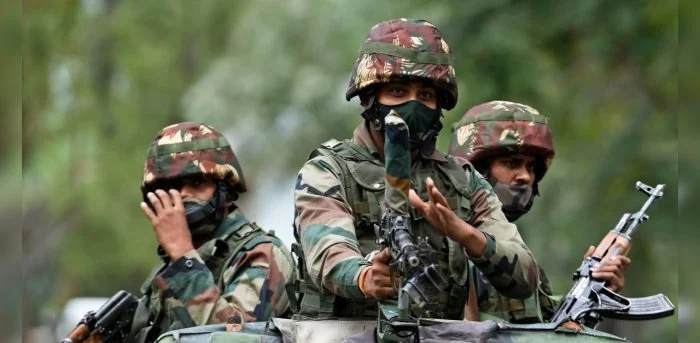
The Indian security forces have once again intensified their crackdown on Maoist insurgents, eliminating 16 rebels in a fierce gun battle in Chhattisgarh on March 29, 2025. This marks yet another significant victory for the government in its ongoing battle against the Naxalite-Maoist insurgency that has plagued the country for decades.

A Critical Blow to the Maoist Insurgency

The latest encounter took place in a dense forest area of Chhattisgarh, a known stronghold of Maoist rebels. Acting on intelligence reports, security forces launched an operation that quickly escalated into a heavy gunfight. After hours of intense combat, 16 insurgents were neutralized, dealing a severe blow to the Maoist network.

Authorities reported that among those killed were senior Maoist commanders who played key roles in orchestrating attacks on security personnel and local civilians. The operation was executed with precision, aiming to dismantle Maoist strongholds and curb their influence in the region.

A Pattern of Recent Operations

This is not the first time Indian security forces have delivered such a major blow to the insurgents. In January 2025, operations in Bijapur district led to the deaths of 18 Maoists on January 16 and another 14 on January 21. The government has adopted an aggressive strategy to eliminate high-ranking Maoist leaders and disrupt their operations.

Similarly, in October 2024, a massive clash in Abujhmarh resulted in the deaths of 38 Maoists, marking one of the deadliest encounters in recent history. These back-to-back successes indicate a well-coordinated effort by the Indian government to eradicate Maoist influence from the country.

The Long-Running Insurgency

The Maoist insurgency, also known as the Naxalite movement, has been active for several decades, with its origins dating back to the late 1960s. The insurgents claim to be fighting for the rights of marginalized and tribal communities but have often resorted to violent tactics, including attacks on police, destruction of infrastructure, and extortion of local businesses.

The Indian government has declared the Maoist insurgency one of the country’s biggest internal security threats. Several regions in central and eastern India, including Chhattisgarh, Jharkhand, Odisha, and Maharashtra, have been affected by this ongoing conflict.

What This Means for India’s Security Landscape

The recent success of security forces in eliminating key Maoist figures signals a shift in the government's approach to counterinsurgency. With enhanced intelligence operations, better-equipped forces, and increased collaboration between state and central agencies, India is making significant progress in reducing the threat posed by Maoist rebels.

While challenges remain, these operations have weakened the Maoist network, instilling a sense of security among local populations and paving the way for development in once-affected areas. The government remains committed to eradicating this insurgency and ensuring stability across the nation.

Read more: Yahoo News

read more
Myanmar Earthquake Tragedy: A Nation in Crisis

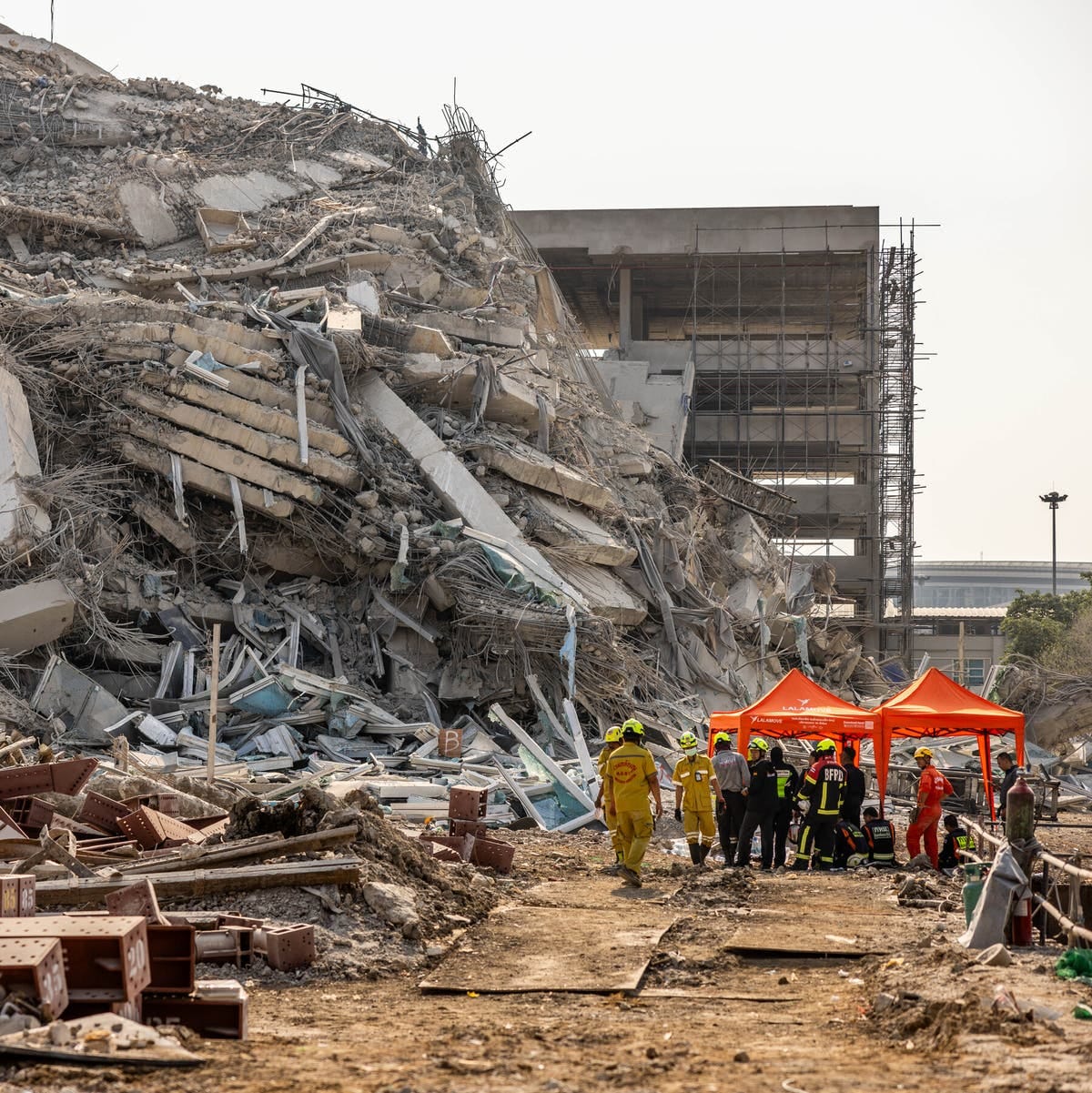
A catastrophic 7.7-magnitude earthquake struck Myanmar on March 28, shaking the region and causing devastation across the country. The tremor, felt as far as Thailand, India, and China, led to panic as buildings swayed and collapsed. Myanmar has reported dozens of fatalities and hundreds of injuries, though the full extent of the destruction is still being assessed. The disaster has left thousands homeless, with entire communities reduced to rubble.

Rescue efforts are underway, but the response is hampered by Myanmar’s political instability and limited emergency resources. Many people remain trapped under debris as emergency teams race against time. Hospitals are overwhelmed with the injured, while repeated aftershocks pose an ongoing risk, threatening further collapses and landslides.

Neighboring countries and international organizations have expressed readiness to assist, but Myanmar’s strained relations with the global community could complicate aid delivery. The government has appealed for help, but logistical and political challenges remain. Thousands are in desperate need of shelter, medical care, and essential supplies.

As Myanmar struggles to recover, rebuilding efforts will require immense financial and humanitarian support. This disaster not only highlights the vulnerability of the region but also underscores the need for better disaster preparedness. The coming days will be crucial in determining the scale of global intervention and the road to recovery. For further updates, visit Sky News.

read more
Israeli Drone Strikes in Southern Lebanon Escalate Regional Tensions

The long-standing conflict between Israel and Hezbollah has intensified once again, following Israeli drone strikes in southern Lebanon that resulted in the deaths of at least four people. The strikes occurred in two separate incidents, with Israeli forces claiming they targeted Hezbollah operatives. However, Lebanese officials have reported civilian casualties, raising concerns about the ongoing violence in the region.

Background of the Conflict The tensions between Israel and Hezbollah, the Iran-backed militant group based in Lebanon, have persisted for decades. While sporadic clashes and airstrikes are not uncommon, recent events suggest an escalation that could lead to further instability. The latest attacks come despite a previously established ceasefire agreement aimed at de-escalating hostilities.

Hezbollah’s Response and Regional Implications In response to the attacks, Hezbollah has strongly condemned Israel's actions but has not yet launched any major retaliatory strikes. The group has denied involvement in recent rocket fire into Israel but continues to assert its resistance against Israeli military presence. The ongoing tit-for-tat strikes have raised fears of a broader conflict that could involve neighboring countries and further destabilize the Middle East.

International Reactions The international community has expressed deep concern over the recent developments. The United Nations has urged both sides to exercise restraint and avoid further escalation. Diplomatic efforts are being pursued to prevent a full-scale conflict, but the situation remains volatile. If hostilities continue, it could lead to increased military operations and further civilian suffering on both sides of the border.

What Lies Ahead? With tensions at a boiling point, the coming days will be crucial in determining whether diplomatic efforts can ease the crisis or if further military confrontations are inevitable. The world is watching closely as both sides weigh their next moves in this unfolding conflict.

For more updates, visit Al Jazeera.

read more
Escalating Conflict in Gaza: A Deepening Humanitarian Crisis

The situation in Gaza has reached a critical point as Israeli airstrikes continue, resulting in significant casualties and destruction. The latest attacks have claimed at least 38 lives, further worsening an already dire humanitarian crisis. As tensions rise, global organizations warn of severe food shortages and worsening living conditions for civilians caught in the conflict.

Background of the Conflict The Israeli-Palestinian conflict has spanned decades, rooted in territorial disputes, political disagreements, and deep-seated historical tensions. Recent escalations have been fueled by military operations, retaliatory attacks, and failed diplomatic efforts. Israel states that its strikes target militant groups operating within Gaza, but the attacks have resulted in significant civilian casualties and displacement.

Humanitarian Impact The humanitarian situation in Gaza is deteriorating rapidly. Blockades have limited access to essential resources, including food, water, and medical supplies. The World Food Programme (WFP) has issued warnings about worsening malnutrition, as families struggle to find sustenance amid the destruction. Hospitals are overwhelmed, with shortages of medicine and a rising number of wounded civilians needing urgent care. The prolonged crisis has left thousands of people homeless, further compounding the challenges of survival.

International Response and Calls for Ceasefire The conflict has drawn strong reactions from the international community. The United Nations and human rights organizations are urging both sides to de-escalate and engage in peaceful negotiations. Various world leaders have called for an immediate ceasefire to prevent further bloodshed. Despite diplomatic efforts, hostilities persist, raising concerns about the long-term stability of the region.

What Lies Ahead? The path to peace remains uncertain. While diplomatic talks continue, the situation on the ground grows increasingly dire. If a resolution is not reached soon, Gaza could face one of the worst humanitarian crises in recent history. The world is watching closely, hoping for a breakthrough that will bring relief to the people suffering in the region.

For ongoing updates, visit Al Jazeera.

read more
Rising Tensions in Gaza: Militants Warn Against Assisting Israel Amid Protests

The situation in Gaza remains highly volatile as recent protests have led to warnings from militant groups, including Hamas, against any perceived collaboration with Israel. Demonstrations have erupted across northern and central Gaza, with frustrated civilians voicing their grievances over prolonged conflict, economic hardship, and governance challenges.

Protests and Public Sentiment

In recent days, hundreds of Palestinians have taken to the streets, with some demonstrators openly chanting "Hamas out," signaling growing dissatisfaction with the group's rule. The humanitarian crisis in Gaza, marked by food and water shortages, damaged infrastructure, and the loss of thousands of lives, has fueled public unrest.

Hamas' Response and Warnings

While Hamas has acknowledged the right to protest, it has strongly condemned any actions seen as aligning with Israeli interests. The group has warned against individuals who may be perceived as aiding Israel, labeling them as "collaborators." This warning serves as a reminder of the tight control militant factions maintain over Gaza and the severe consequences of dissent.

Israeli Reaction and Broader Implications

Israeli officials have closely monitored the protests, reiterating their stance against Hamas and encouraging Gaza's population to demand the group's removal. The conflict has resulted in over 50,000 Palestinian deaths, with ongoing airstrikes and military operations contributing to widespread devastation. The protests present a rare moment of public defiance, showcasing the desperation of Gaza’s residents amid continued suffering.

The Future of Gaza Amid Escalating Tensions

As demonstrations continue, the response from militant groups and Israeli forces will play a crucial role in shaping the region's future. The humanitarian crisis remains a critical concern, with calls for international intervention growing louder. Whether these protests will lead to significant political change or be suppressed remains to be seen, but one thing is clear—Gaza’s residents are growing increasingly restless, caught between the forces of war and the struggle for survival.

read more
Al-Shabaab Attack on Kenyan Police Camp

On March 24, 2025, Al-Shabaab militants launched a deadly assault on a Kenyan police camp near the Somali border. The attack, which resulted in the deaths of six police reservists, highlighted the ongoing security threats in the northeastern region of Kenya. The militants, affiliated with the al-Qaida-linked group, stormed the camp, killing officers and seizing weapons before retreating.

This latest attack is part of a broader pattern of increased militant activity along the Kenya-Somalia border. Al-Shabaab has continued to target security forces, government installations, and civilians, raising concerns about the effectiveness of counterterrorism efforts in the region. The Kenyan government has vowed to intensify military operations against the group, but the porous border and deep-rooted insurgency remain significant challenges.

read more
Kenyan Officer Missing in Haiti Following Gang Attack
Kenya’s security challenges extend beyond its borders, as seen in the recent disappearance of a Kenyan police officer deployed in Haiti. The officer, part of a multinational security mission supported by the United Nations, went missing after an attack by armed gangs. Reports indicate that the officer may have been killed, with unverified videos circulating online allegedly showing a body in a Kenyan uniform.

The mission in Haiti was intended to help restore law and order in a country plagued by gang violence and political instability. Kenya’s involvement in the mission has sparked debates over the risks associated with deploying officers in volatile regions. The latest incident raises serious concerns about the safety of Kenyan personnel engaged in international peacekeeping efforts.

read more