 All
All Foodies
 Drinks
 Fruits & Veggies
 Supermarket
 Beauty & Health
 Electronics
 Fashion
 Live Tv

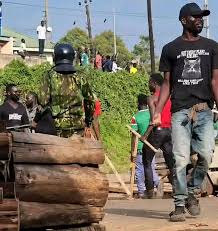
A political convoy linked to the Linda Mwananchi movement came under attack in Keumbu, Kisii County, on Friday, leaving several vehicles damaged and raising fresh concerns about political violence in the country.
Videos that circulated widely on social media showed groups of people pelting stones at the convoy as it travelled along the Kisii–Keroka Road. Among the vehicles damaged was one carrying former Chief Justice David Maraga, who was travelling with the group. Police have confirmed that the incident is under active investigation.
Following the attack, the National Police Service (NPS) announced the arrest of several suspects. Investigators say they are reviewing video footage and other evidence to identify additional people who may have participated in the violence. The Inspector General of Police has also directed the Internal Affairs Unit to examine the police response during the incident.
On Sunday, police confirmed that more arrests had been made, bringing the total number of suspects in custody to seven. They also summoned Nyaribari Chache Member of Parliament Zaheer Jhanda to record a statement as part of the ongoing investigations. Police have not accused the MP of committing an offence, stating only that he has been summoned in connection with the inquiry.
Meanwhile, leaders associated with the Linda Mwananchi movement claimed that one of their supporters died after sustaining injuries during the attack. As of publication, police had not officially confirmed the reported death.
The incident has drawn condemnation from across the political divide, with many leaders calling for peaceful political engagement and accountability for those responsible. The National Police Service has urged members of the public with information about the attack to cooperate with investigators as the probe continues.
As investigations continue, the Kisii incident has renewed national conversations about political tolerance, public safety, and the need to ensure that political activities are conducted peacefully ahead of future electoral campaigns.