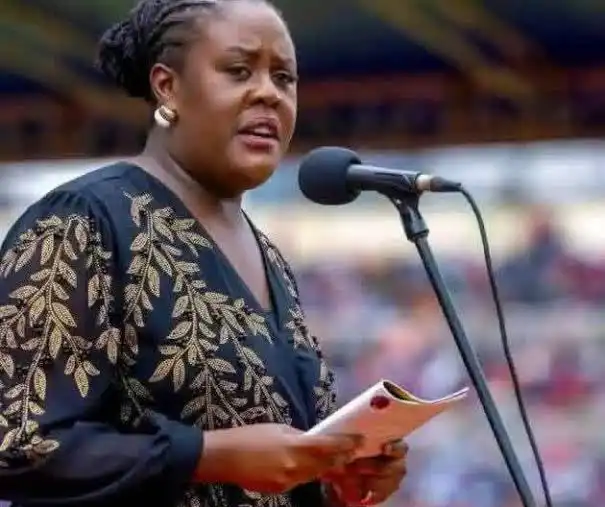
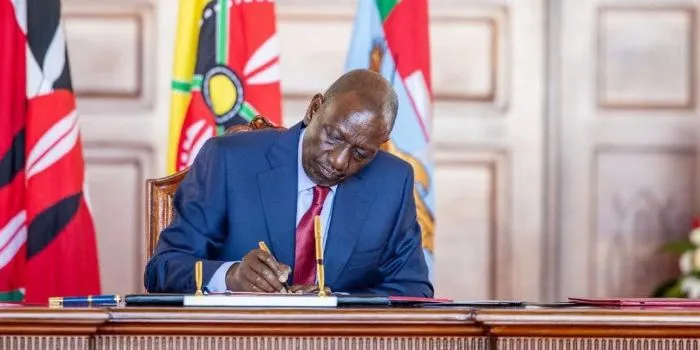
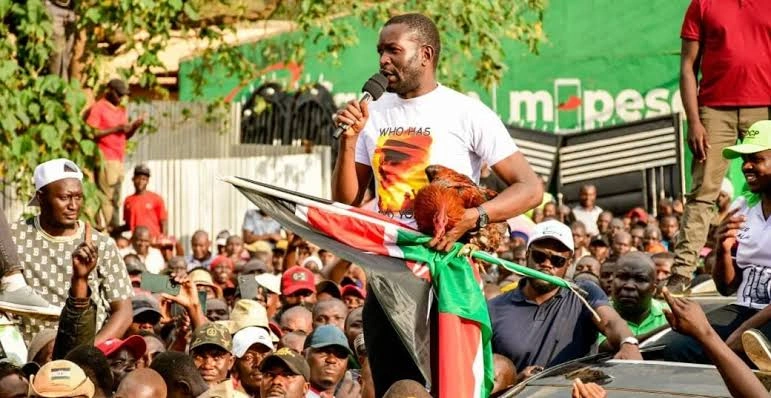
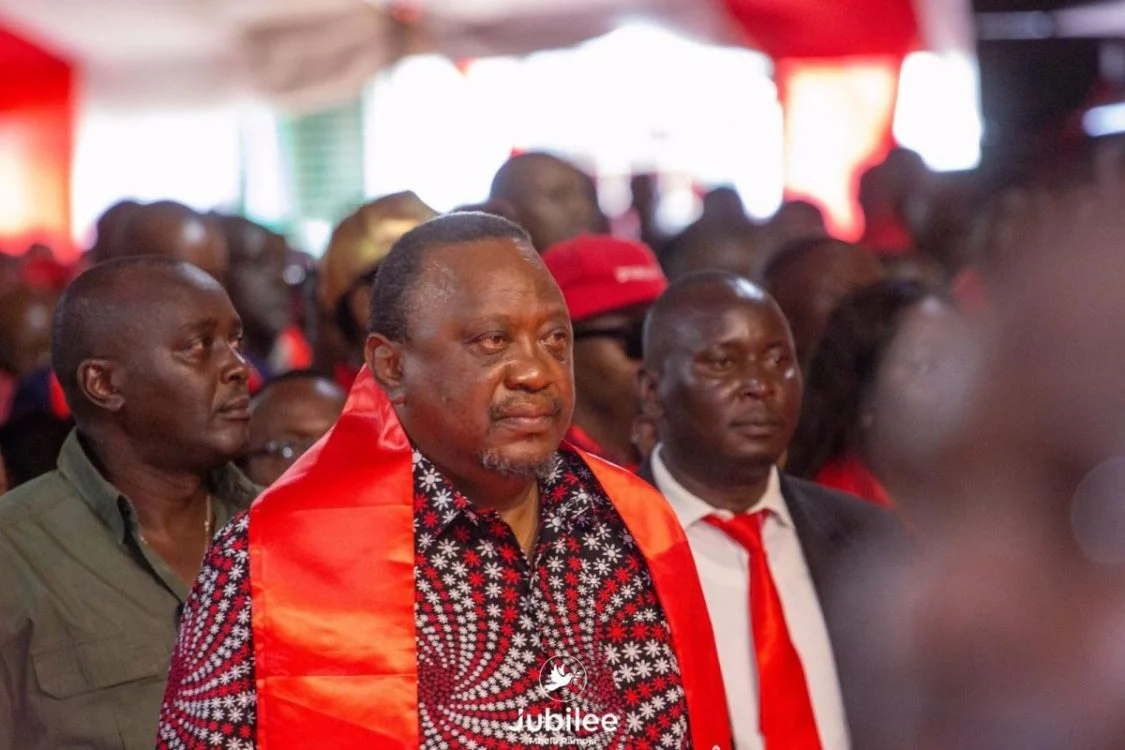
The battle for Nairobi’s Senate seat is taking shape ahead of the 2027 General Election, with Jalang’o and Winnie Odinga emerging as names to watch.
Kenya’s political landscape is beginning to take shape as leaders position themselves for the 2027 General Election. In Nairobi, attention is turning to the Senate seat following President William Ruto’s remarks about Lang’ata MP Phelix Odiwuor, popularly known as Jalang’o, and Winnie Odinga’s announcement that she intends to pursue the same position.
The latest developments have sparked fresh discussion about party nominations, political alliances and the future leadership of the capital.
Ruto’s Remarks Put Jalang’o in the Spotlight
President William Ruto has drawn attention to Jalang’o’s political ambitions by referring to him as Nairobi’s senator during a public address in Eldoret.
Although the remarks do not constitute an official election endorsement or guarantee a party nomination, they have added to the conversation surrounding Jalang’o’s potential Senate bid.
The Lang’ata MP has continued to build his profile in national politics since transitioning from a career in entertainment and broadcasting to elective leadership. His possible move to the Senate would mark another significant step in his political journey.
However, winning the seat would require more than public recognition. Party support, grassroots mobilisation and voter confidence are likely to feature prominently in the campaign ahead.
Winnie Odinga Enters the Political Conversation
Winnie Odinga’s declaration of interest has introduced another prominent name into the developing contest.
The daughter of the late former Prime Minister Raila Odinga, Winnie has been active in political affairs and has attracted attention within the Orange Democratic Movement (ODM) and the wider opposition landscape.
Her decision to pursue the Nairobi Senate seat could generate important discussions about party succession, political identity and the role of a new generation of leaders.
Her family background is likely to draw public attention, but the campaign conversation will also revolve around her own agenda, experience, priorities and ability to connect with Nairobi residents.
For voters, the key question will be what each candidate proposes to deliver rather than simply the political name they carry.
ODM’s Nomination Could Become a Key Test
With multiple political figures potentially interested in the same seat, the ODM nomination process could become one of the defining moments of the race.
If Jalang’o and Winnie both pursue the party ticket, members and party officials may face difficult decisions about candidate selection and the management of competing ambitions.
The process could also test the party’s ability to accommodate different political interests while maintaining unity ahead of the general election.
Nevertheless, the final field of candidates remains subject to change. Political negotiations, party decisions and new declarations of interest could reshape the contest in the coming months.
What Nairobi Voters Will Be Watching
Beyond political endorsements and party rivalries, the Senate race presents an opportunity for residents to examine what prospective leaders intend to do for the city.
Nairobi faces persistent concerns involving the cost of living, public transport, employment opportunities, housing, healthcare and the management of public resources.
Although senators primarily represent their counties in the Senate and participate in national legislation, county revenue allocation and oversight, residents will want to understand how each candidate plans to use the office to advance Nairobi’s interests.
Clear policy proposals, accountability and a credible record of public service could therefore become important subjects during the campaign.
A Contest That Is Still Developing
Ruto’s remarks about Jalang’o and Winnie Odinga’s entry into the conversation have given the Nairobi Senate race greater visibility.
Yet the road to the 2027 General Election remains long. Party nominations have to be settled, candidates must make their cases to voters, and political alliances may evolve.
For now, the developing contest offers an early glimpse of the political negotiations and competing ambitions likely to shape Nairobi’s electoral landscape.
Ultimately, the decision will rest with voters, who will have the opportunity to assess the candidates’ records, proposals and commitment to representing the capital.
One thing is clear: Nairobi’s Senate race is becoming a political story to watch as Kenya moves towards the 2027 General Election.
Editorial note: This article is an original piece of commentary based on publicly reported political developments. It does not imply that any candidate has secured a party nomination or won an election.



 HOME
HOME Foodies
 Drinks
 Fruits & Veggies
 Supermarket
 Beauty & Health
 Electronics
 Fashion
 Live Tv