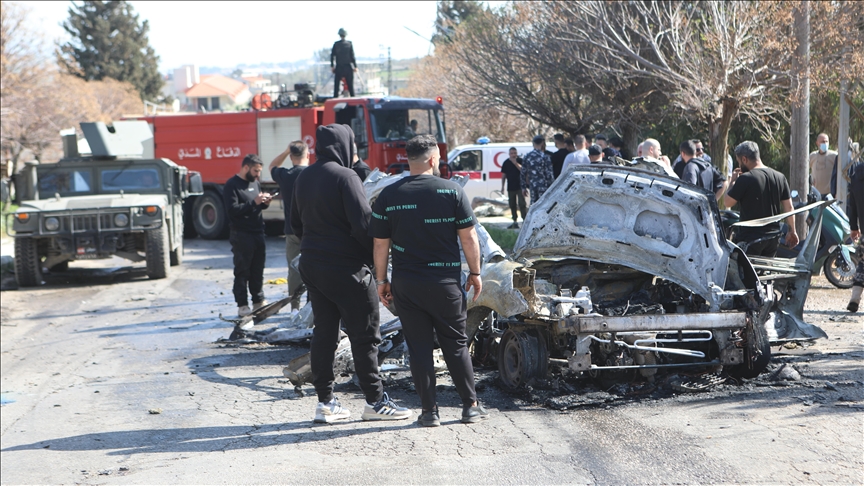
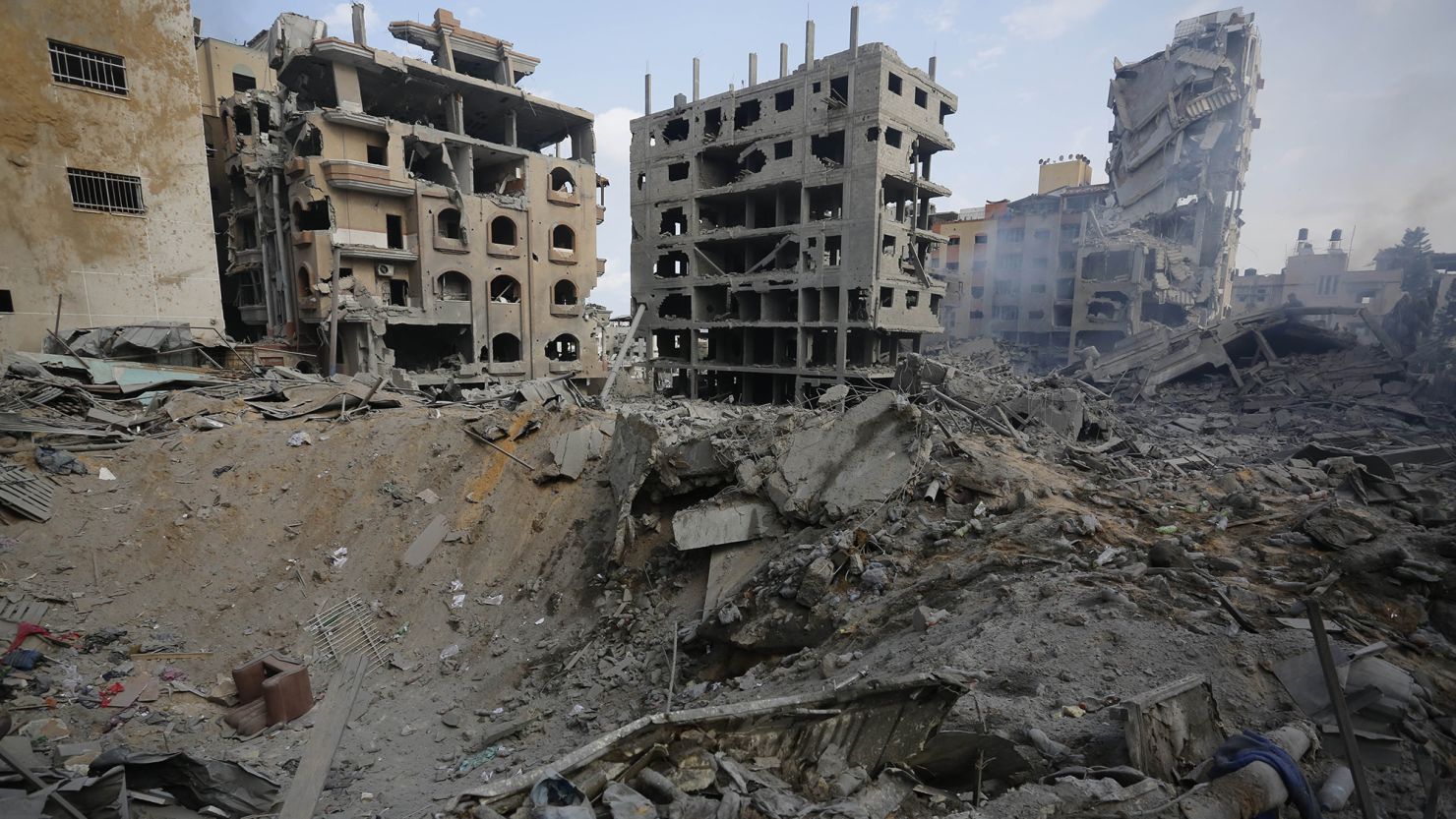
The long-standing conflict between Israel and Hezbollah has intensified once again, following Israeli drone strikes in southern Lebanon that resulted in the deaths of at least four people. The strikes occurred in two separate incidents, with Israeli forces claiming they targeted Hezbollah operatives. However, Lebanese officials have reported civilian casualties, raising concerns about the ongoing violence in the region.
Background of the Conflict The tensions between Israel and Hezbollah, the Iran-backed militant group based in Lebanon, have persisted for decades. While sporadic clashes and airstrikes are not uncommon, recent events suggest an escalation that could lead to further instability. The latest attacks come despite a previously established ceasefire agreement aimed at de-escalating hostilities.
Hezbollah’s Response and Regional Implications In response to the attacks, Hezbollah has strongly condemned Israel's actions but has not yet launched any major retaliatory strikes. The group has denied involvement in recent rocket fire into Israel but continues to assert its resistance against Israeli military presence. The ongoing tit-for-tat strikes have raised fears of a broader conflict that could involve neighboring countries and further destabilize the Middle East.
International Reactions The international community has expressed deep concern over the recent developments. The United Nations has urged both sides to exercise restraint and avoid further escalation. Diplomatic efforts are being pursued to prevent a full-scale conflict, but the situation remains volatile. If hostilities continue, it could lead to increased military operations and further civilian suffering on both sides of the border.
What Lies Ahead? With tensions at a boiling point, the coming days will be crucial in determining whether diplomatic efforts can ease the crisis or if further military confrontations are inevitable. The world is watching closely as both sides weigh their next moves in this unfolding conflict.
For more updates, visit Al Jazeera.



 HOME
HOME Foodies
 Drinks
 Fruits & Veggies
 Supermarket
 Beauty & Health
 Electronics
 Fashion
 Live Tv