Tensions between the United States and Iran have erupted into fresh military confrontation, raising fears that months of fragile diplomacy could once again give way to a wider regional conflict.
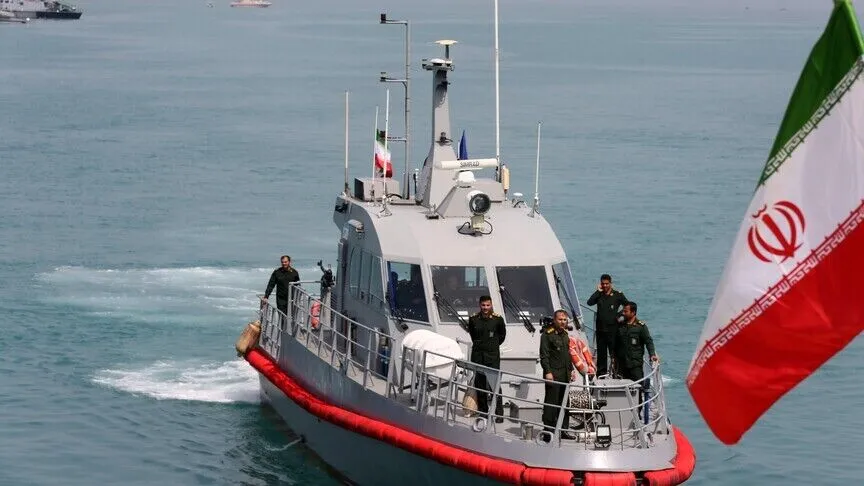
The latest exchange of fire centred on the strategically vital Strait of Hormuz, where Washington says it is trying to prevent Iran from threatening commercial shipping.
US forces struck Iranian military positions on Larak Island, a small but strategically important island near the Strait of Hormuz. Washington said the operation targeted Iranian missile launchers that posed a threat to vessels using the waterway.
Iran responded with missile and drone attacks against US-linked military positions in the region.
The Iranian Revolutionary Guard said it targeted American forces in Jordan and the United Arab Emirates. Jordan confirmed that it intercepted several missiles, while the UAE said it had dealt with a drone threat over its waters but rejected Iranian claims that a major UAE military base had been attacked.
The confrontation represents the first major direct exchange between the two sides in several weeks and has immediately raised concerns about whether the conflict could spiral beyond the Strait of Hormuz.
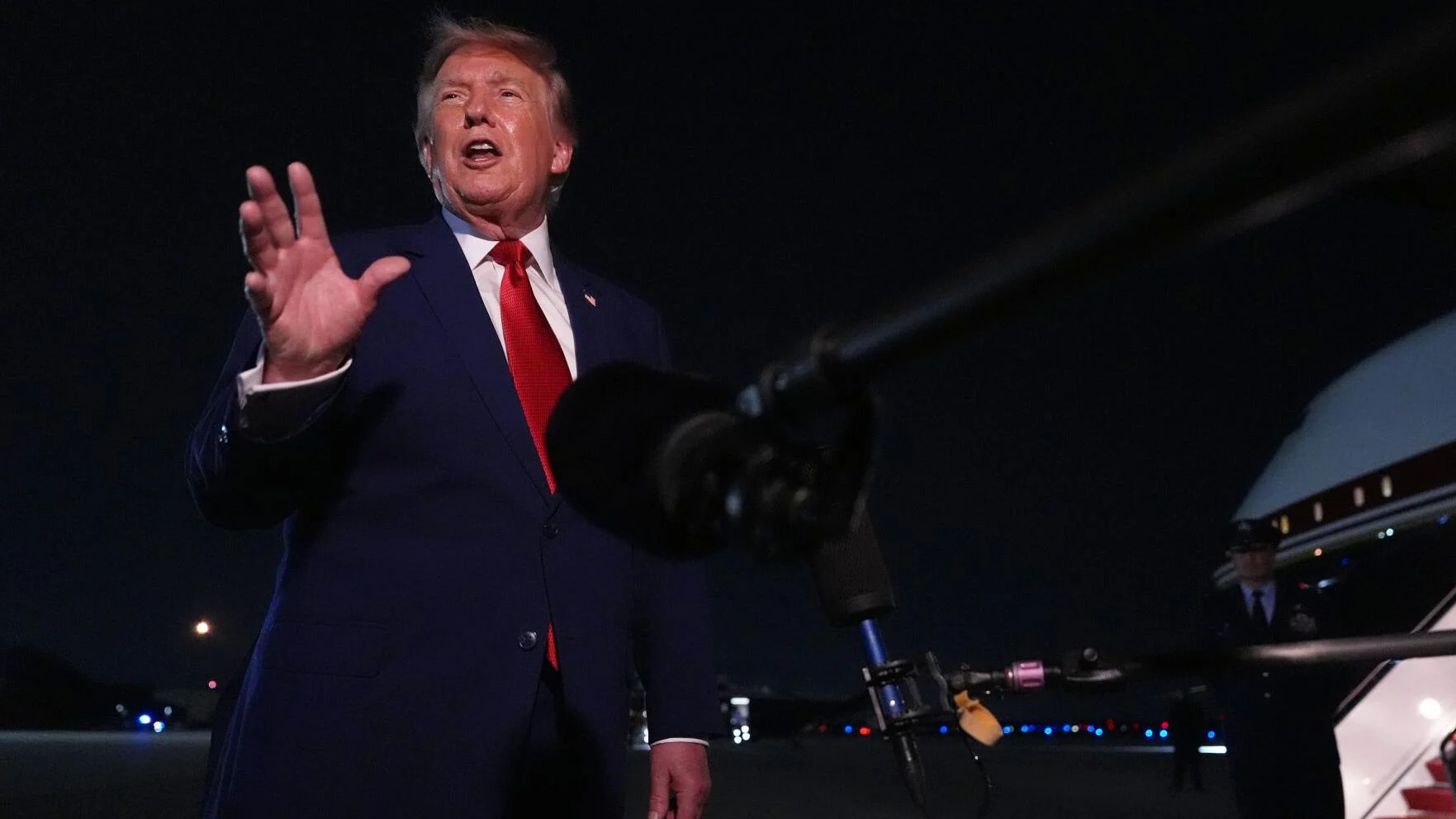
US President Donald Trump has warned Iran that Washington will respond forcefully.
Trump said the United States would "hit them hard" following the Iranian retaliation, signalling that the latest strikes may not be the end of the confrontation.
Iranian President Masoud Pezeshkian, meanwhile, struck a more diplomatic tone while attending a regional summit, saying Tehran still wanted to find a negotiated solution.
He argued that continuing the war was not in the interests of Iran or the wider region and called for dialogue and cooperation.
That contrast highlights the uncertainty surrounding the next stage of the conflict. While military forces continue to exchange attacks, Iranian officials have also indicated that diplomacy remains possible if Washington returns to commitments made under an earlier agreement.
At the centre of the dispute is the Strait of Hormuz.
The narrow waterway is one of the world's most important energy routes, with roughly one-fifth of global oil supplies passing through it under normal circumstances. The conflict has already severely disrupted commercial traffic, creating fresh concerns about energy supplies and prices.
Washington says Iran has been attempting to restrict shipping through the strait and has accused Tehran of threatening commercial vessels.
Iran, on the other hand, maintains that it has legitimate authority over the waterway and has rejected the American interpretation of the agreements that previously helped reduce tensions.
The disagreement has now moved from diplomatic statements back onto the battlefield.
There were also reports of a tanker being struck by several unidentified projectiles near Oman, adding another layer of uncertainty around shipping in the region. The incident has increased concerns among shipping companies already facing significant risks while operating near the strait.
The renewed fighting is particularly worrying because it comes after months of attempts to establish a more permanent political settlement.
Mediators, including Pakistan and Qatar, have been involved in efforts to bring Washington and Tehran back toward negotiations. But the two sides continue to disagree over the terms and interpretation of the previous agreement.
Iranian Foreign Minister Abbas Araghchi has argued that the path back to stability is straightforward: the United States must return to its commitments.
Washington, however, continues to insist that Iran must stop actions it considers threats to international shipping and regional security.
The consequences are already extending beyond the battlefield.
Oil prices have risen as traders react to the possibility of prolonged disruption around the Strait of Hormuz. Any sustained closure or major reduction in shipping through the waterway could put further pressure on global energy markets and increase transportation and production costs.
For Gulf countries, the situation is particularly delicate.
Several host American military facilities while maintaining economic and diplomatic relationships with Iran. That puts countries such as the UAE and Jordan in an increasingly difficult position as the confrontation between Washington and Tehran intensifies.
The latest exchange therefore carries risks far beyond the two countries directly involved.
A prolonged confrontation could threaten shipping, push energy prices higher and draw additional countries into the conflict.
For now, both sides appear to be sending two messages at once: military strength on the battlefield and an opening for diplomacy.
Whether those two approaches can coexist for much longer may determine whether the latest flare-up remains limited or becomes the beginning of another major phase of the US-Iran conflict.



 HOME
HOME Foodies
 Drinks
 Fruits & Veggies
 Supermarket
 Beauty & Health
 Electronics
 Fashion
 Live Tv