Butere Girls High School's production of "Echoes of War" has become a focal point of national discourse, highlighting the intersection of art, politics, and freedom of expression in Kenya.
A Courageous Performance
On April 10, 2025, the school's drama troupe attempted to stage "Echoes of War" at the National Drama and Film Festival in Nakuru. However, their performance was thwarted when they were denied access to essential equipment, including a public address system. In response, the students sang the national anthem and left the stage, expressing their frustration over inadequate rehearsal time and the absence of their director, Cleophas Malala.
Controversial Themes and Government Response
The play, penned by former Kakamega Senator Cleophas Malala, delves into themes of governance, social justice, and the challenges faced by Generation Z. Set in the fictional Royal Velvet Emirates, it portrays the struggle between the older and younger generations, emphasizing the role of technology and social media in advocating for change. These themes have drawn parallels to Kenya's political landscape, echoing past narratives of artistic expression and governmental scrutiny.
Historical Parallels
The situation recalls Kenya's Moi-era crackdowns on free speech and artistic expression. Notably, in 1977, playwright Ngugi wa Thiong’o's production "Ngaahika Ndeenda" was banned, and he was subsequently detained without trial. This historical context underscores the enduring tension between creative expression and political authority in the country.
Current Developments
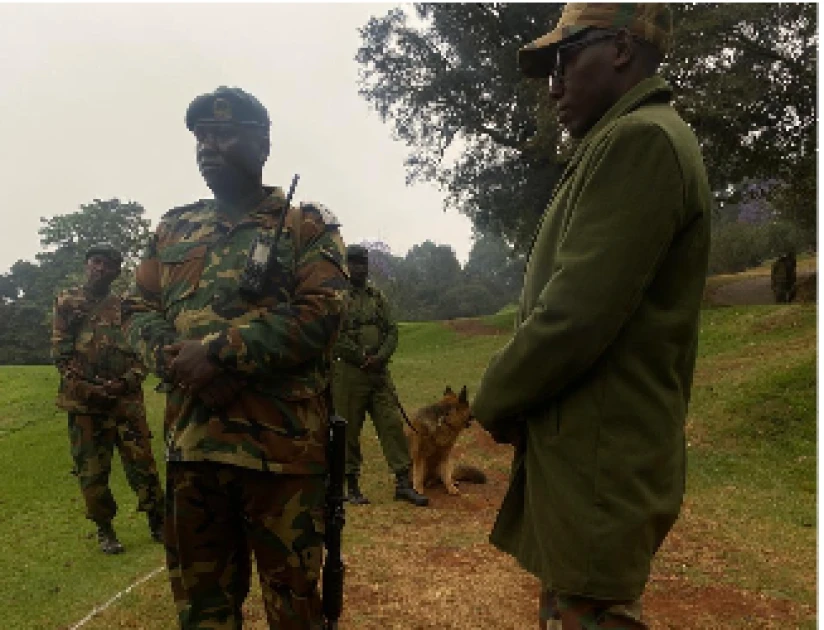
Following the students' walkout, Malala alleged that approximately 15 students were missing, prompting calls for their whereabouts to be ascertained. He criticized the government's interference, suggesting that President William Ruto was involved in obstructing the play's performance without having seen it.
Despite these challenges, Dennis Itumbi, Head of Presidential Special Projects, affirmed that Butere Girls High School had not been barred from performing "Echoes of War" and wished them success at the festival.
Conclusion
The ordeal faced by Butere Girls High School serves as a poignant reminder of the complexities surrounding freedom of expression, especially within educational settings. It prompts a broader conversation about the role of art in reflecting societal issues and the potential repercussions when creative works challenge prevailing narratives.



 HOME
HOME Foodies
 Drinks
 Fruits & Veggies
 Supermarket
 Beauty & Health
 Electronics
 Fashion
 Live Tv